

If your dog trembles at the rumble of distant thunder, bolts for the bathroom during fireworks, or pants frantically whenever heavy wind kicks up outside, you're not alone. Noise phobia and storm anxiety are among the most common behavioral concerns dog owners face — and one of the most heartbreaking to witness. Your dog isn't being dramatic or stubborn. Something genuine is happening in their nervous system that triggers a fear response.
The good news: noise anxiety is one of the most treatable behavioral issues, especially when you understand what's driving it and have a plan to address it. This guide will walk you through the science of why this happens, what you can do immediately to help your dog feel safer, and how to work toward longer-term improvement.
Understanding Noise Phobia vs. Generalized Anxiety
Noise phobia is specific and acute. It's an intense, irrational fear response to particular sounds — usually thunder, fireworks, or loud household appliances like vacuums or blenders. Your dog isn't anxious about life in general; they're panicked by a particular trigger.
That specificity matters because it shapes how you help. Noise phobia is highly treatable through environmental management, gradual desensitization, and behavioral conditioning. Unlike generalized anxiety, which may warrant longer-term calming support, noise phobia often responds well to targeted interventions.
Why Some Dogs Are Affected (and Others Aren't)
Noise sensitivity isn't a character flaw. It's a combination of genetics, early experience, and temperament. Some dogs are born with a more reactive nervous system and naturally startle more easily. Others may have had an intensely frightening experience during a storm or fireworks show that left a deep impression. Still others gradually become more reactive over time, especially as they age and their senses or cognitive processing changes.
Breed, age, previous experiences, and individual neurology all play a role. A rescue dog with an unknown history may have had a traumatic noise event years before you adopted them. A senior dog may become more sensitive to loud sounds as hearing and cognitive function shift. Understanding that this is not your dog's fault — or yours — is the first step toward compassion and effective help.
The Critical Window: Why Early Intervention Matters
Noise phobia can be remarkably stable when managed early and compassionately. But without intervention, it often worsens over time. Repeated exposure to a scary stimulus without a chance to learn that it's safe actually reinforces fear and can lead to sensitization — where your dog becomes progressively more reactive, not less.
This is why waiting to see if your dog "grows out of it" often backfires. The sooner you address the fear with proper management and training, the better the outcome. That doesn't mean you need to force your dog to confront storms; it means creating safety and gradually teaching their nervous system that loud noises aren't a threat.
Your Immediate Action Plan
If your dog is in the middle of a storm or fireworks event right now, the goal is safety and comfort, not training. Create a quiet, interior space where your dog can retreat. Close blinds, turn on white noise or soft music, and stay calm yourself — dogs pick up on our anxiety. Creating a dedicated thunder den gives your dog a pre-learned safe space that can be ready before the next storm hits.
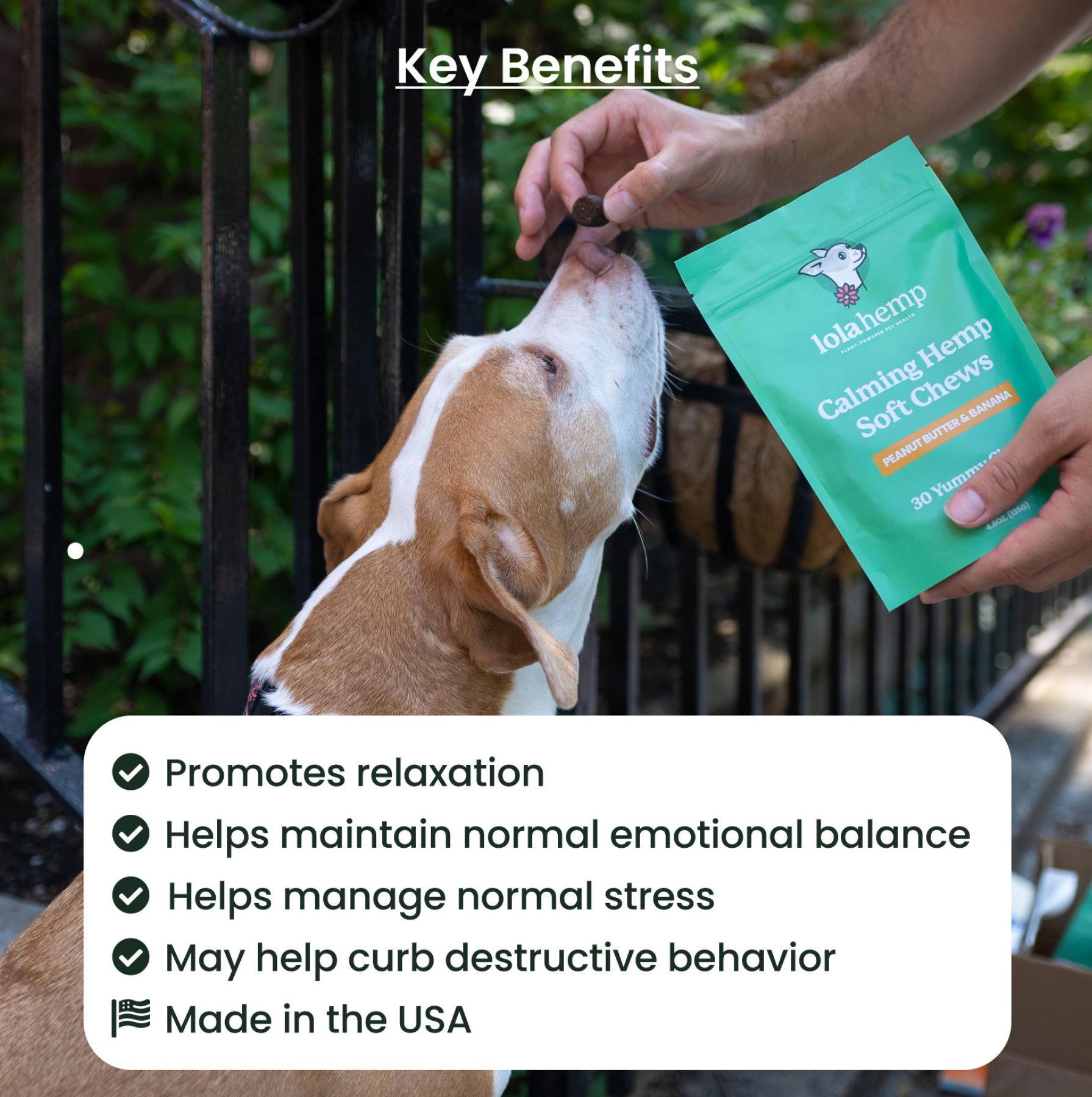
For longer-term support, talk to your vet about behavioral options that may suit your dog. Some owners find that natural support options help their dog maintain a calmer baseline, especially when combined with behavioral work.
Understanding the Science Behind the Fear
Noise phobia isn't "just" loud. Thunder comes with barometric pressure drops, low-frequency sounds dogs hear well before we do, static electricity buildup in their coat, and flashing light. Some dogs pick up on changes in atmospheric pressure that predict a storm is coming — they're not anxious about nothing; they're responding to sensory information we can't perceive.
Understanding this science is important because it explains why comforting your dog ("don't worry, it's okay") often doesn't work. Your dog isn't being irrational; they're reacting to real sensory input. The solution isn't reassurance alone — it's environmental management, desensitization, and sometimes behavioral support.
The Three-Pillar Approach to Recovery
Most successful noise phobia management combines three elements: immediate safety and comfort (the right environment during storms), gradual desensitization (teaching your dog's nervous system that the sound is safe), and behavioral conditioning (pairing loud sounds with good things). This takes time, but it works.
Some dogs respond faster than others. A young dog with a single scary experience may improve significantly within weeks. An older dog or one with years of fear conditioning may need months. Both outcomes are possible — but both require patience and consistency.
When to Involve a Professional
A certified dog trainer or veterinary behaviorist can be invaluable, especially if your dog's anxiety is severe or if you're not seeing progress after several weeks of consistent effort. They can rule out other underlying issues, create a customized training plan, and help you troubleshoot what's working and what isn't.
Where to Go From Here
This cluster includes articles on the specific strategies that work best for noise anxiety:
- The science of why dogs develop noise phobia — understand the mechanisms driving your dog's fear.
- Building a thunder den and safe space — the immediate, practical steps to create comfort during storms.
- Desensitization training for noise phobia — how to gradually teach your dog that loud sounds are harmless.
- Why untreated noise anxiety worsens over time — and why early intervention is crucial.
We also have resources on CBD and storm anxiety and calming treats for fireworks if you're looking to add supportive tools to your management plan.
You Can Help Your Dog Feel Safer
Noise phobia is treatable. With the right approach — combining immediate safety, gradual desensitization, and behavioral support — most dogs make real progress. The fact that you're reading this means you care deeply about your dog's emotional well-being. That's the first step.
Related product




Frequently Asked Questions
What's the difference between noise phobia and normal storm anxiety? Noise phobia is an intense, irrational fear response to specific sounds (thunder, fireworks) with physical panic symptoms like trembling, panting, or escape attempts. Storm anxiety may be milder and less consistently triggered. Both are treatable, but true phobia usually requires more structured intervention.
Can my dog outgrow noise phobia on their own? Without intervention, noise phobia typically worsens over time due to sensitization rather than habituation. Early management and desensitization training give your dog the best chance of improvement. Waiting often leads to escalation.
Is it harmful to let my dog hide during a storm? No — hiding is a coping mechanism and a sign your dog feels safer in that space. Allow your dog to retreat to their safe spot. This is different from forcing exposure, which can increase fear.
Will supplements or CBD make my dog "not care" about thunder? Calming supplements formulated to help maintain calmness and support a normal, relaxed disposition are one tool in a larger plan, not a solution by themselves. They may help support a calm baseline while you work on behavioral and environmental management.
How long does it take to desensitize a dog to loud noises? It varies widely. Some dogs show progress in weeks, others take several months. Consistency matters more than speed. Gradual, patient exposure is more effective than trying to rush the process.


