

Related product




Choosing the Right Room
The best safe space is an interior room without windows — a bathroom, interior closet, laundry room, or basement corner. These spaces offer several advantages: they naturally dampen external sound, they shield your dog from lightning flashes, and they often feel psychologically "safer" because they're enclosed and less exposed.
Avoid rooms on the exterior of your home if possible. A bedroom with outside walls will transmit more sound and vibration from the storm. An interior bathroom or hallway is ideal. If you only have exterior rooms available, choose one on the side of the home facing away from where storms typically approach.
Set up the space during calm weather, not during a storm. Let your dog explore it, spend time there, get comfortable. Leave a blanket, bed, or crate in the space so your dog has something familiar. The goal is for your dog to think of this room as their refuge, not as somewhere you're dragging them during a crisis.
The Thunder Den Setup
A crate can be an excellent centerpiece for a thunder den if your dog is crate-trained. Cover three sides of the crate with blankets, leaving the front partially open so your dog can exit if needed (never trap your dog in a covered crate during a storm — this increases panic). The blankets muffle sound and create a den-like feeling that many dogs find comforting.
If your dog isn't crate-trained, a corner of the bathroom or a small closet works just as well. The key is a small, enclosed space — not a wide-open room. Dogs instinctively seek enclosed spaces when frightened because they feel less vulnerable when they're not exposed from all sides.
Stock the space with comfort items: a bed or blanket your dog loves, a chew toy, a long-lasting treat. During the storm, you can give your dog access to these items as a mild distraction, though don't force engagement. Some dogs want to rest; others need to chew or pace. Both are normal coping mechanisms.
Sound Masking and White Noise
White noise and ambient sound can be remarkably effective at masking the sharp, startling sounds of thunder. Play soft music, a white noise machine, a fan, or a sound app designed for dog anxiety. The goal isn't to completely drown out the storm — that's impossible — but to fill the silence so that distant thunder doesn't stand out as starkly.
Some dogs respond well to classical music or reggae (yes, really — some research suggests certain rhythms have a calming effect). Others prefer consistent white noise or the sound of rainfall. Experiment during non-storm times to see what your dog seems to respond to. Then have it ready to play as soon as you notice a storm approaching.
Many dogs also find that having you nearby helps. If you can sit calmly in the space with your dog, that often reduces anxiety more than any other intervention. Your calm presence signals to your dog that the situation is manageable. Don't try to comfort frantically or reassure constantly — that can actually amplify anxiety. Just be present, stay relaxed, and let your dog do what they need to do.
Blackout Measures for Lightning Sensitivity
Some dogs are as frightened by lightning flashes as they are by thunder. If your dog reacts strongly to the light, blackout curtains or heavy blankets over windows can help. Close all blinds and curtains in the safe space. If your dog gravitates toward a closet or interior room, this happens naturally.
The combination of muffled sound and reduced light typically creates the most calming environment for a noise-phobic dog. It's not perfect — no safe space eliminates the storm entirely — but it dramatically reduces the sensory intensity of the experience.
Managing Static Electricity
Remember from the science: static electricity can build up in your dog's coat during a storm, creating discomfort that contributes to anxiety. While you can't eliminate atmospheric static, you can reduce the buildup on your dog's body.
Dryer sheets are a surprisingly effective tool. Gently rub a dryer sheet over your dog's coat before the storm hits. The fabric softening agent reduces static. Some owners keep a dryer sheet in the safe space and periodically rub down their dog during the storm if the dog seems particularly uncomfortable or is biting at their coat.
Anti-static belly bands (designed to ground dogs who build up static) are another option, though they're less commonly used. The dryer sheet approach is simpler and more comfortable for most dogs.
If your dog is repeatedly licking or biting at their legs and belly during storms, static discomfort may be a significant factor. A quick rub-down with a dryer sheet can provide noticeable relief.
Pressure Wraps and Weighted Clothing
Anxiety wraps or pressure garments (like Thundershirts) work by applying gentle, sustained pressure to your dog's torso. For some dogs, this has a genuinely calming effect — similar to swaddling an anxious infant. For others, it makes no difference or even increases anxiety by adding another sensation.
If you're considering a pressure wrap, try it during calm weather first. Let your dog get used to wearing it before a storm arrives. Some dogs tolerate them well and benefit from the sensation; others find them restrictive and stressful. There's no one-size-fits-all solution.
A pressure wrap works best as one tool in a larger safety plan, not as a standalone solution. Combined with a quiet space, sound masking, and your calm presence, it may push your dog from "panicked" toward "anxious but managing."
Preparing for the Next Storm
The goal is to set up your thunder den before the season hits, not during the first storm. Walk your dog through the space several times during calm weather. Reward them for going in and out. Leave treats in there. Make it a positive place, not a place you only go to during scary events.
When you notice storm clouds rolling in or hear thunder in the distance, calmly direct your dog to their safe space and set up the sound masking and any other comfort measures. Stay calm yourself — your anxiety will transfer to your dog. Speak in a normal, relaxed tone. Your job is to create a safe environment and then let your dog settle.
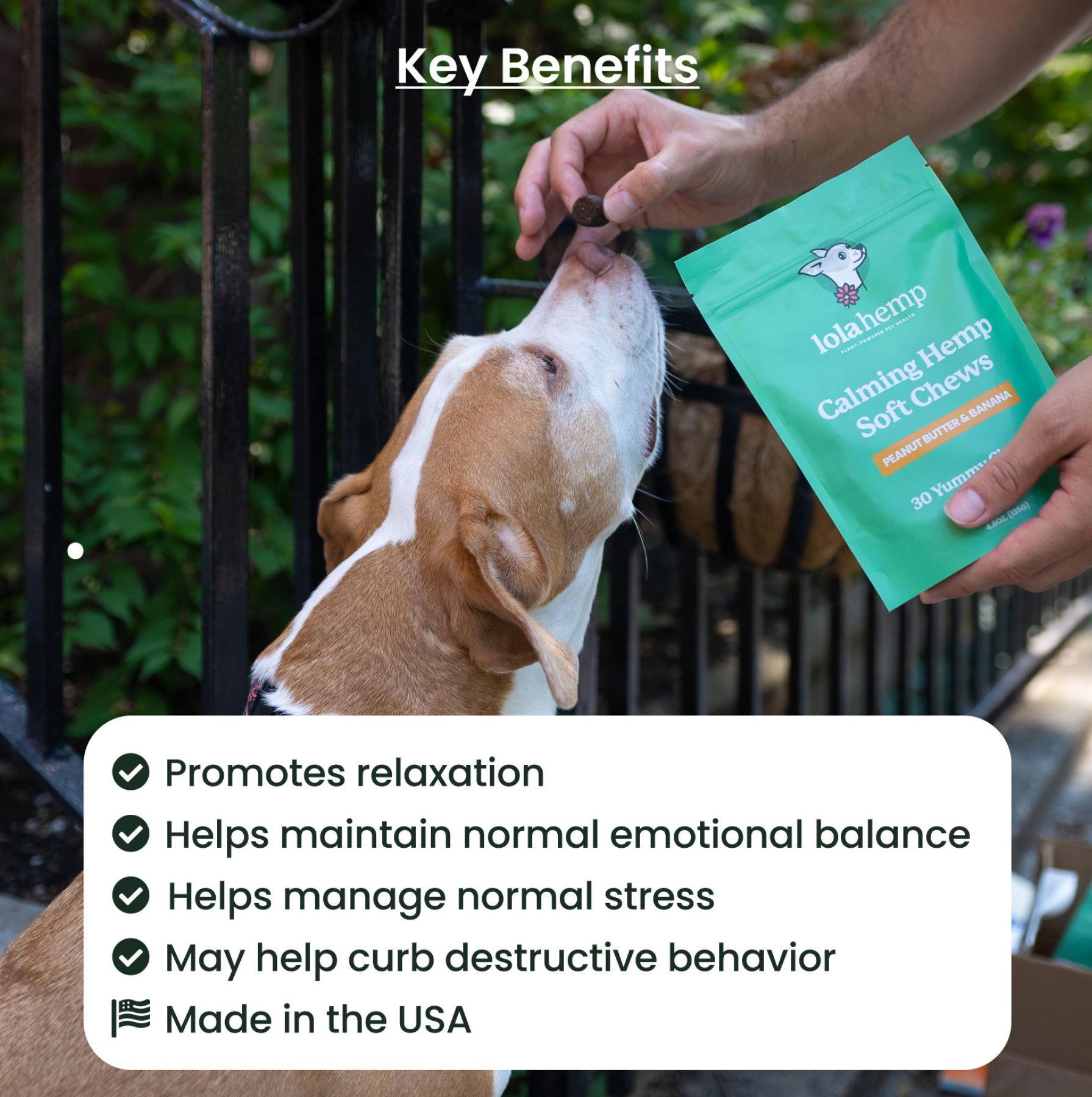
If your dog has severe anxiety even in the safe space, additional support options like supplements may help your dog maintain a calmer state while you work on longer-term behavioral strategies. Talk to your vet about what might complement your environmental management plan.
The thunder den is your immediate, concrete action — the thing you can do right now to reduce your dog's suffering during the next storm. It's also the foundation for longer-term work. Return to the main guide to explore desensitization and training strategies that will help your dog progressively become less reactive over time.
Frequently Asked Questions
Should I force my dog to stay in the safe space, or let them go where they want? Create the space and make it appealing, but don't force your dog into it. Many dogs naturally gravitate toward the safest spot once they know it's available. If your dog chooses a different location (like under your bed), that's okay — honor their instinct about where they feel safest.
Is it bad if I comfort my dog during a storm? Quiet, calm presence is helpful. Frantic reassurance ("it's okay, don't worry") can actually reinforce anxiety by signaling to your dog that the situation is indeed scary. Be present and calm, but not theatrical about it.
How far in advance should I set up the thunder den? Weeks or even months before storm season. The more your dog is already comfortable with the space during calm weather, the more likely they are to use it and benefit from it during an actual storm.
Can I use medication or supplements to help my dog stay calm in the safe space? Yes. Calming supplements formulated to help maintain calmness and support a normal, relaxed disposition may help your dog feel more settled, especially during the initial phases of storm anxiety. This works best as part of a complete plan that includes the physical safe space and other management strategies.
What if my dog won't use the safe space I created? Every dog is different. Some prefer closets, others like open spaces with their owner nearby. Observe where your dog naturally seeks shelter during storms and adapt to that rather than forcing a predetermined space. The key is having a consistent, safe location — it doesn't have to match a specific design.


