

- Sensitization vs. Habituation: Why Some Dogs Get Worse
- How Repeated Fear Exposure Compounds the Problem
- Aging and Sensory Changes: Why Senior Dogs Are Vulnerable
- Pain and Health as Fear Amplifiers
- Cognitive Decline and Fear Memory
- The Critical Window: Act Before It Worsens
- Medical and Behavioral Management for Severe Cases
- Why Your Senior Dog Deserves Intervention Too
- Building Your Prevention and Management Plan
- Frequently Asked Questions
Related product



Sensitization vs. Habituation: Why Some Dogs Get Worse
When a dog experiences the same stimulus repeatedly without intervention, one of two things happens: habituation or sensitization. Habituation is what we hope for — the dog's nervous system learns the stimulus is safe and stops reacting. Sensitization is the opposite — the dog becomes progressively more reactive and more fearful.
Which path your dog takes depends largely on what happens during and after each storm. A dog that experiences a storm, retreats to a safe space, and receives comfort and support may habituate over time. A dog that experiences a storm in an open, exposed space with no sense of safety or control often sensitizes instead. They learn that storms are indeed dangerous and scary, and with each subsequent storm, their fear response strengthens.
This is why doing nothing and hoping your dog outgrows noise phobia often backfires. Without intervention, each storm becomes additional evidence to your dog's brain that storms are a genuine threat. The fear pathway becomes deeper and more entrenched with every exposure.
How Repeated Fear Exposure Compounds the Problem
Every time your dog experiences extreme anxiety during a storm without a mechanism to feel safe or learn the storm is harmless, the fear memory is reinforced. Your dog's brain essentially says: "Okay, I was right to be scared. This confirms storms are dangerous."
After years of this pattern — 5, 10, 15 storm seasons of panic without intervention — the fear response becomes deeply wired. A dog that was mildly anxious at age three might be severely phobic by age eight, not because storms got worse, but because years of untreated fear have amplified the neural response.
This is also why early intervention is so critical. A dog that shows early signs of noise sensitivity and gets immediate management (safe space) and training (desensitization) may never develop severe phobia. The same dog without intervention might spiral into a debilitating fear disorder.
Aging and Sensory Changes: Why Senior Dogs Are Vulnerable
Noise phobia often worsens or emerges in a dog's senior years, and the reasons are biological rather than behavioral. As dogs age, their sensory processing changes dramatically.
Hearing loss might seem like it should help (the dog hears thunder less clearly), but it often makes things worse. As high frequencies fade, low frequencies — like the rumble of thunder — become more prominent and sometimes more distorted. What was once a familiar sound at age three might sound alarming or unfamiliar at age twelve.
Vision also changes with age. Cataracts and declining eyesight mean your senior dog can't see as clearly during storms, which increases their sense of vulnerability. A younger dog can see the room they're in during a lightning flash; a senior dog's vision might be too compromised to orient themselves, which increases panic.
Cognitive function changes too. Your senior dog's ability to contextualize and process threats decreases. They may forget that storms have always passed safely, or they may misinterpret environmental cues in ways that amplify fear. A dog that was moderately anxious for years may suddenly become severely anxious as cognitive decline changes how they process the stimulus.
Pain and Health as Fear Amplifiers
Senior dogs often experience pain from arthritis, dental disease, or other chronic conditions. When a dog is already in pain or discomfort, their tolerance for stress plummets. A storm that was manageable when your dog felt well becomes unbearable when they're achy or ill.
Additionally, many health conditions come with decreased resilience to stress. A dog recovering from illness, dealing with incontinence, or managing chronic pain has fewer emotional resources to cope with frightening stimuli. Their nervous system is already taxed, so storms feel more threatening.
This is why senior dogs with untreated noise phobia often show escalating anxiety. It's not just that they're older and more sensitive — it's that aging brings physical changes, pain, and cognitive shifts that compound the original fear response.
Cognitive Decline and Fear Memory
Some senior dogs lose the cognitive ability to distinguish between actual threat and learned fear. They may panic about a storm with no ability to remember that the last ten storms passed safely. Their brain is replaying the fear memory, and the corrective information (the storm ended and I survived) isn't overwriting the fear efficiently.
This is partly why cognitive enrichment and consistent environmental management become even more important in a senior dog's later years. If your old dog can reliably retreat to a safe space during storms, that repeated experience of safety may still modify the fear response, even if their cognitive function is declining.
The Critical Window: Act Before It Worsens
If your dog is showing early signs of noise anxiety — reluctance during storms, mild panting, seeking shelter — this is the moment to intervene. Early intervention prevents escalation. A dog that gets management and training now will age into their senior years with a manageable baseline. A dog that's left untreated will likely struggle severely as they age.
Even if your dog has had noise phobia for years, intervention still helps. You can't undo all the fear conditioning that's happened, but you can prevent further escalation and gradually shift your dog toward a calmer baseline. Desensitization works on older dogs, though it may take longer.
Medical and Behavioral Management for Severe Cases
For severely phobic dogs, especially seniors, your vet may recommend anti-anxiety medication during storm season. This isn't "medicating away" the problem — it's creating a window where your dog's nervous system isn't in overdrive, making behavioral management and training more feasible.
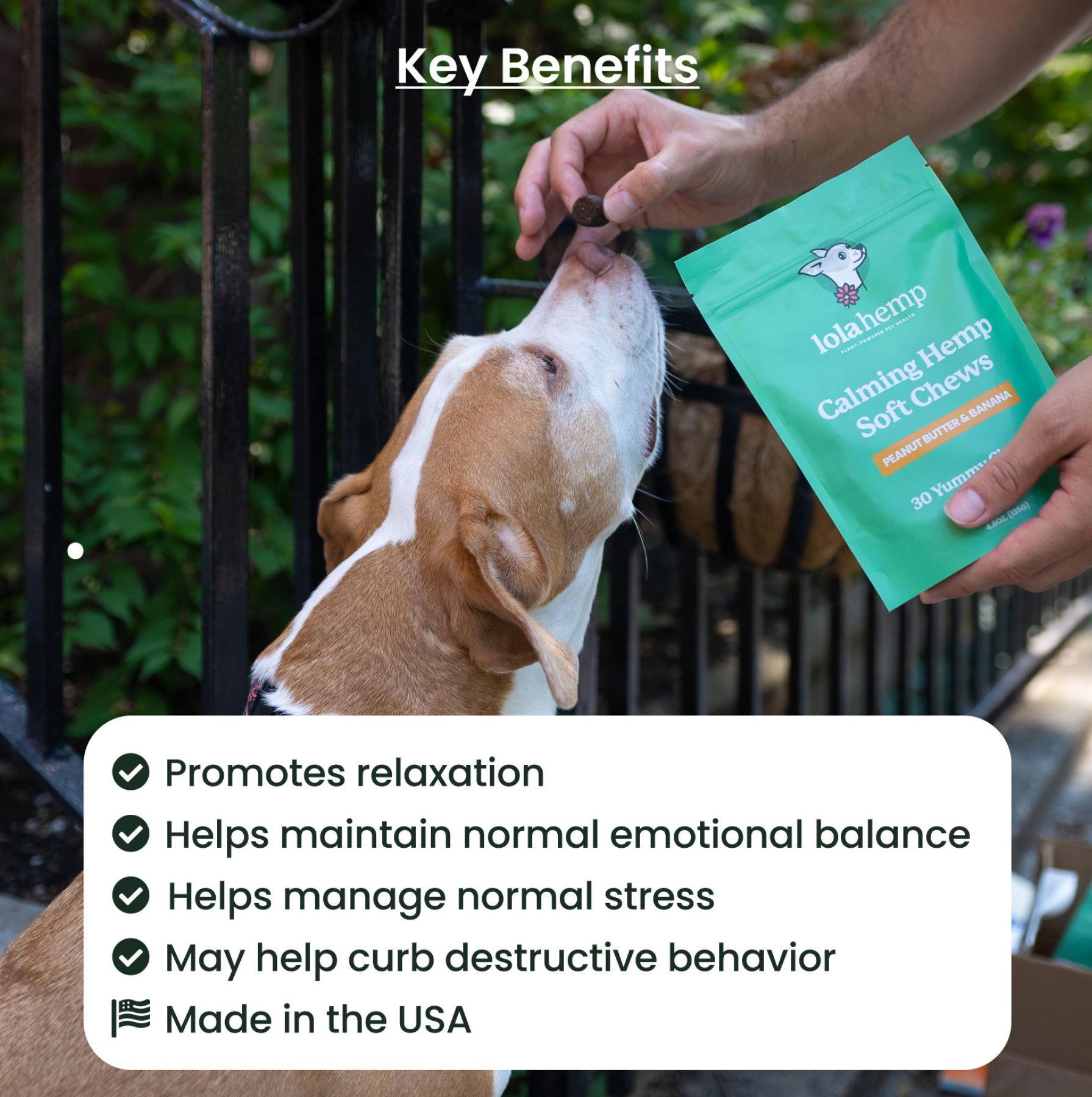
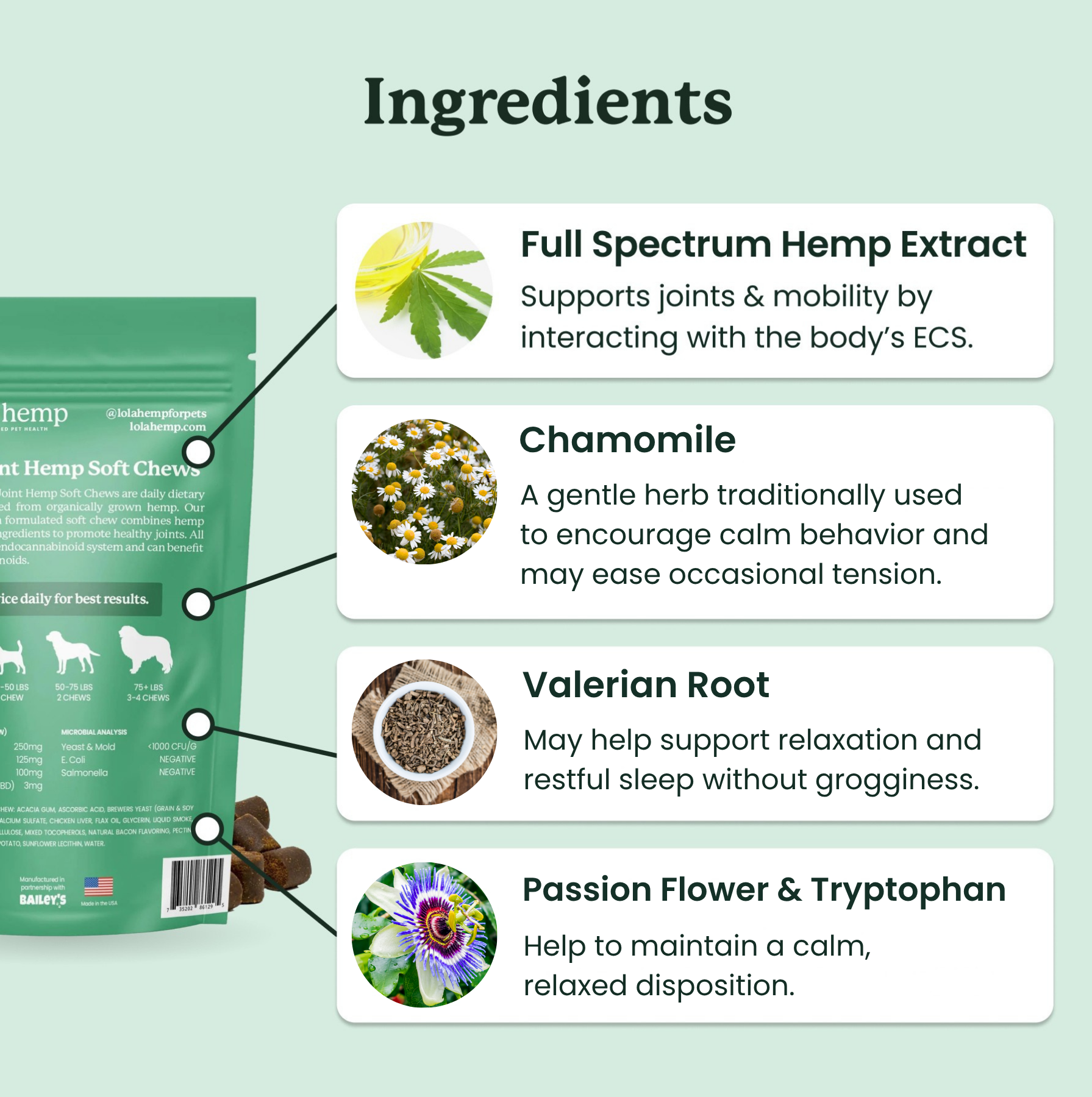
Some dogs benefit from long-term calming support designed to help maintain a baseline of emotional balance throughout storm season. Supplements formulated to help maintain calmness and support a normal, relaxed disposition can be part of a layered approach, especially for senior dogs that benefit from daily support rather than acute intervention during storms.
The combination of environmental management (safe space), behavioral work (desensitization if possible), and possibly medical or supplement support creates the best outcome for dogs with longstanding, severe phobia. Talk to your vet about what combination makes sense for your individual dog.
Why Your Senior Dog Deserves Intervention Too
Some owners assume that if their senior dog has been anxious about storms for years, it's just "how they are" and nothing can be done. That's not true. Quality of life matters, especially in a dog's final years. A senior dog that spends every storm season in extreme distress is suffering needlessly.
Even modest improvements — helping your dog stay in the room instead of hiding, reducing panting and trembling, creating a predictable safe space — make a real difference in your dog's comfort and your peace of mind. Learn more about anxiety in aging dogs and the strategies that work best for older animals.
Building Your Prevention and Management Plan
If you have a young dog showing early signs of noise sensitivity, start management immediately. Create a safe space, begin gentle desensitization, and talk to your vet about support options. You're investing in a future where your dog doesn't develop severe phobia.
If you have an older dog with longstanding phobia, know that improvement is still possible. The timeline may be longer, but environmental management and consistent support can reduce suffering. Work with your vet and possibly a trainer to create a plan tailored to your aging dog's needs.
The common thread: early, consistent intervention prevents escalation. The sooner you address noise anxiety — whether your dog is young, middle-aged, or senior — the better the outcome. Return to the main guide to review all the tools available to you.
Frequently Asked Questions
My dog has been anxious about storms for five years. Can I still help them now, or is it too late? It's not too late. While you won't undo five years of fear conditioning overnight, consistent management and training can still reduce anxiety and prevent further escalation. Your dog may never be completely unbothered by storms, but they can improve.
Why does my senior dog's storm anxiety seem worse this year than last year? Age-related changes in hearing, vision, and cognitive function can amplify fear responses that were previously manageable. Pain, declining health, or medication changes can also increase anxiety. Talk to your vet about what's changed and whether additional support would help.
Is it cruel to not medicate my severely phobic dog during storm season? For dogs with truly debilitating phobia, medication may be the most humane option. Talk to your vet about whether anti-anxiety medication or behavioral support supplements are appropriate. Quality of life matters, especially in senior dogs.
If I start management now, will my dog still get scared during storms? Likely, yes — at least initially. Management isn't about eliminating fear; it's about preventing panic and creating a foundation where your dog can gradually learn that storms are survivable. Over time, the fear typically decreases, but it often doesn't disappear entirely.
What's the difference between waiting it out and doing actual training? Waiting it out allows sensitization to occur — your dog becomes more fearful with each exposure. Training (desensitization, counter-conditioning, environmental management) actively teaches your dog's nervous system that storms are safe. One makes things worse; the other makes them better.


