

Related product



What Desensitization Actually Is
Desensitization is the gradual process of exposing your dog to a feared stimulus at such a low intensity that it doesn't trigger panic, then slowly increasing the intensity over time. The goal is to teach your dog's nervous system that the stimulus isn't dangerous.
This is completely different from flooding, which is exposing a dog to the full, intense version of what they fear (like taking a noise-phobic dog outside during a thunderstorm and making them sit through it). Flooding is harmful and often backfires — it can intensify phobia rather than resolve it.
Desensitization works because it respects your dog's nervous system. You're meeting them at a level they can tolerate, proving safety, and then gradually asking for slightly more tolerance. Over weeks and months, what once triggered panic becomes manageable, then barely noticeable.
The Role of Counter-Conditioning
Desensitization works even better when paired with counter-conditioning — pairing the feared stimulus with something good. Instead of just hearing a quiet thunder sound and not panicking, your dog hears the sound and gets a treat, or playtime, or a favorite toy.
This creates a new association: thunder sound = good things happen. Over repetition, your dog's emotional response gradually shifts from fear to anticipation. The sound still registers, but it no longer triggers anxiety.
The combination of desensitization (low-intensity exposure) and counter-conditioning (pairing with rewards) is more powerful than either approach alone. You're not just asking your dog to tolerate the sound; you're teaching them to expect something positive when they hear it.
Finding and Using Storm Recordings
You can't control real thunderstorms for training purposes, but you can use high-quality thunder and storm sound recordings. These are available on apps, YouTube, Spotify, and specialized dog training platforms. Look for recordings labeled "thunderstorm sounds" or "dog desensitization sounds."
Quality matters. A tinny, compressed recording may not capture the low frequencies that actually bother your dog. Look for recordings with good reviews from dog owners, or recordings specifically created for canine desensitization training.
Start with the volume extremely low — so quiet that your dog barely reacts. Many owners make the mistake of starting too loud, which defeats the purpose. You want a level where your dog notices the sound but doesn't panic. If your dog is still showing anxiety (panting, pacing, hiding), the volume is too high.
The Desensitization Protocol
Here's a basic structure that works for many dogs:
Week 1–2: Play the recording at very low volume (barely audible) during positive activities. Play it while your dog eats, plays, gets treats, or interacts with you. The sound is background to something enjoyable. Your dog should barely seem to notice it.
Week 3–4: Gradually increase volume in tiny increments. Play short sessions — 5–10 minutes — several times a week. Always pair the sound with something rewarding. Reward your dog generously when the sound is playing and they remain calm.
Week 5–8: Continue gradual increases and extend session length if your dog is tolerating it well. Some dogs progress faster; others need more time. There's no rush.
Ongoing: Once your dog can tolerate the full-volume recording without anxiety, continue occasional sessions to maintain the new association. You're reinforcing the learning that storm sounds are safe.
Throughout this process, watch your dog's body language. Calm, relaxed, engaged = you're on the right track. Panting, pacing, whining, hiding = the stimulus is too intense or you've escalated too fast. Back off, go back to a lower volume, and progress more slowly.
What Success Looks Like
Desensitization doesn't necessarily make your dog "not notice" the sound. It changes your dog's emotional response to the sound. A successfully desensitized dog might still cock their head at thunder, but they don't panic. They might stay in the room instead of running to hide. They might accept a treat instead of refusing food.
The goal isn't indifference — it's a shift from fear to manageable awareness. For many dogs, this is life-changing. The difference between a dog who panics and a dog who's slightly anxious is enormous in terms of quality of life.
Realistic Timelines
Some dogs show noticeable improvement in 4–6 weeks of consistent training. Others need 3–6 months. A few dogs take a year or more. The timeline depends on the severity of the phobia, the dog's age, how long they've been fearful, and how consistently you execute the training.
A young dog with a newly developed fear may progress quickly. A senior dog with years of storm anxiety may need longer. Both can improve — progress just looks different.
Consistency matters more than intensity. Brief, frequent sessions (5 minutes several times a week) are better than occasional long sessions. You're building new neural pathways, and that happens through repetition over time, not through one big push.
The Role of Supplements During Training
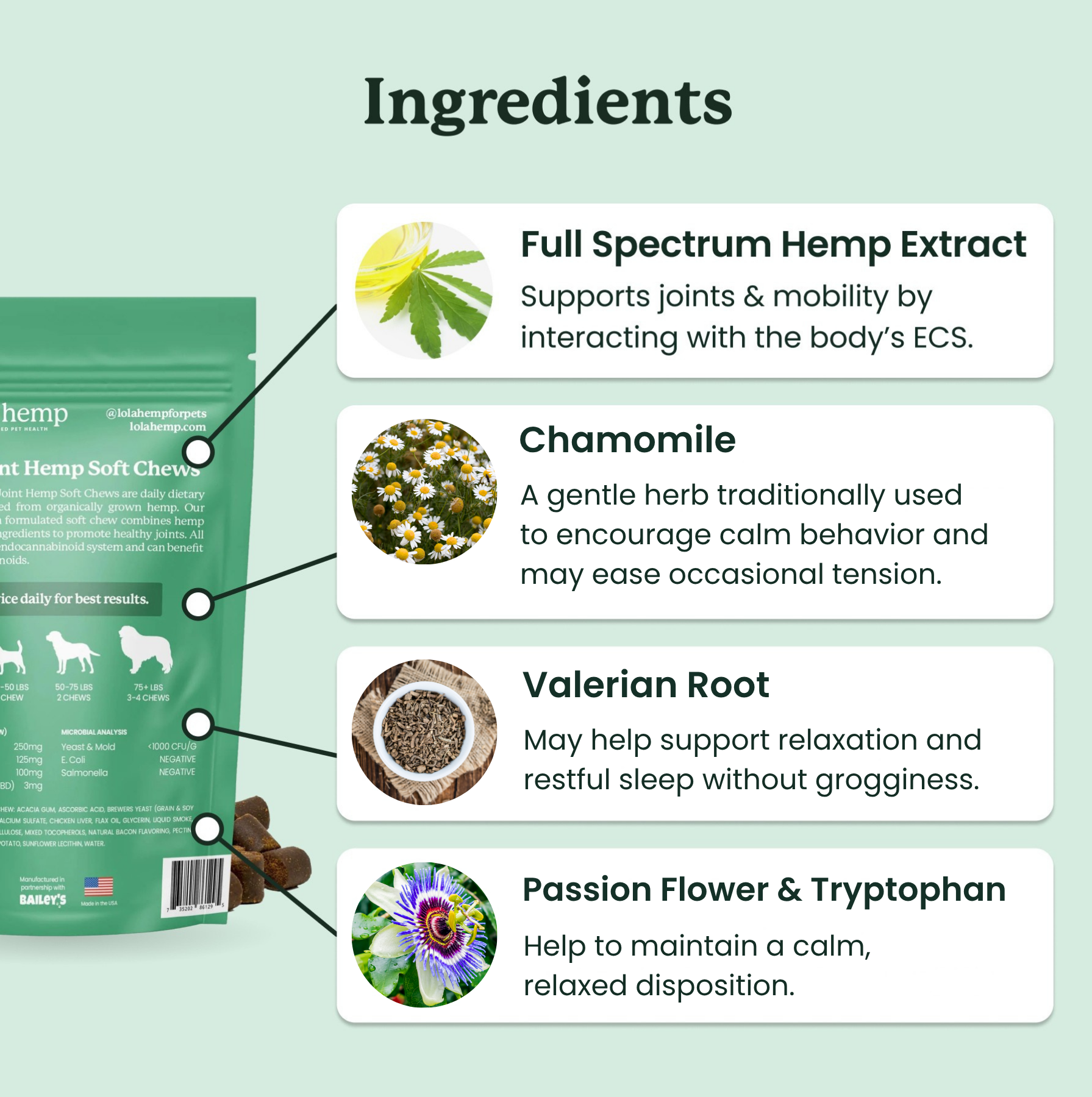
Some dogs benefit from calming support while they're working through desensitization training. If your dog is extremely anxious during sound sessions, supplements formulated to help maintain calmness and support a normal, relaxed disposition may help them stay in a mental state where learning can happen. An overly panicked dog can't learn; a somewhat settled dog can.
Think of supplements as a supporting tool that lowers the baseline anxiety, making the training more accessible. They're not a replacement for the behavioral work — your dog still needs the desensitization and counter-conditioning. But they can make it easier for your dog to engage with the training.
When to Work with a Professional
If your dog shows no improvement after 8 weeks of consistent desensitization work, or if the phobia is so severe that your dog can't engage with training at all, consult a certified dog trainer or veterinary behaviorist. They can assess whether there are underlying issues you're missing, customize a training plan, and troubleshoot what isn't working.
A professional is also helpful if you're unsure about your dog's body language, if you're struggling with consistency, or if you have other dogs or family members in the home whose reactions are interfering with training. Sometimes an outside perspective makes all the difference.
Your vet can also discuss whether anti-anxiety medication might be appropriate during the training phase. For severely phobic dogs, medication can create a window where training becomes possible. This is different from relying on medication long-term — it's a temporary tool to facilitate behavioral progress.
The Big Picture: Why This Takes Time
Fear is encoded in your dog's nervous system at a deep level. Unlearning it requires repeated, patient exposure to a modified version of the feared stimulus. You're not forcing your dog to "get over it" — you're gradually teaching their brain that the stimulus is survivable, predictable, and often followed by good things.
This is neuroplasticity in action. It takes time. But it works. Thousands of dogs have moved from extreme noise phobia to manageable anxiety through consistent desensitization. Your dog can too.
Start with the safe space setup if you haven't already — that's your immediate crisis management. Then layer in desensitization as a longer-term strategy. Return to the main guide for an overview of all the tools at your disposal.
Frequently Asked Questions
How is desensitization different from just getting my dog used to storms naturally? Natural exposure (real storms) without structured training often leads to sensitization — your dog becomes more fearful, not less. Desensitization is controlled, gradual, and paired with rewards. It actively teaches safety rather than hoping your dog learns it on their own.
Can I use a recording of real thunder, or do I need a special training recording? Either can work, but training recordings are engineered to have good audio quality and to include a range of thunder intensities. A poor-quality recording may not contain the frequencies that trigger your dog's fear, making it less effective for training.
What if my dog still panics even at the lowest volume? Start even lower — so quiet you can barely hear it. Or space out sessions so your dog has more time to acclimate between exposures. Some dogs need weeks at near-inaudible volumes before they can tolerate the next step up. That's okay.
Do I need a professional trainer to do desensitization, or can I do it myself? Many owners successfully desensitize their dogs at home using recordings and patience. A professional is helpful if you're unsure about your approach, if your dog isn't making progress, or if the phobia is severe. But you don't need a trainer to get started.
Will desensitization training interfere with using a thunder den and other immediate coping strategies? No — they complement each other. The safe space is for acute storm management right now. Desensitization is the long-term solution. Use both simultaneously. As your dog improves through training, they'll rely less on the safe space over time.


