

CBD doesn't produce the same response in every dog. This is one of the more frustrating things about it — and also one of the least explained. Two dogs at the same weight, given the same product at the same dose, can show notably different outcomes. One settles visibly. The other shows nothing. Occasionally one seems more unsettled than before. None of this means CBD is random or unreliable. It means there are specific, identifiable reasons why individual dogs respond differently — and most of them are addressable.
- Individual Variation in the Endocannabinoid System
- Metabolism and Processing Speed
- Body Composition
- Product Format: The Most Commonly Overlooked Variable
- The Dog Who Seems More Anxious on CBD
- When Underlying Conditions Affect Response
- What to Try Before Concluding CBD Doesn't Work for Your Dog
- Frequently Asked Questions
Related product



Individual Variation in the Endocannabinoid System
The endocannabinoid system — the network of receptors, enzymes, and signaling molecules that CBD interacts with — varies between individual animals just as other biological systems do. The density and distribution of cannabinoid receptors, the baseline tone of endocannabinoid activity, and the sensitivity of those receptors to external cannabinoids all differ from dog to dog. This is the foundational reason why a dose that produces a clear effect in one dog may produce little in another.
This isn't a failure of the product. It's the same reason some dogs respond dramatically to a low dose of a prescription medication while others require significantly more. Individual biology sets the baseline, and CBD is no different.
Metabolism and Processing Speed
How quickly a dog metabolizes CBD affects both how long it stays active and how intense the effect feels during the active window. Dogs with faster metabolisms — typically younger, leaner, or more active dogs — process CBD more quickly. The effect window is shorter and may feel less pronounced than in a dog who metabolizes it slowly.
Older dogs and dogs with slower metabolisms retain CBD longer. This can mean a lower dose produces a more noticeable and sustained effect — but it also means that accumulation is more of a consideration if dosing twice daily. For senior dogs especially, starting at the lower end and assessing carefully before increasing is worth the patience.
Liver function also plays a role. Since CBD is metabolized hepatically, dogs with any degree of liver compromise may process it differently than a dog with normal liver function. If your dog has a known liver condition, discussing CBD with your vet before starting is particularly important.
Body Composition
CBD is fat-soluble and is stored in fatty tissue. A dog with higher body fat relative to their weight will distribute CBD differently than a lean, muscular dog at the same weight. This affects both the onset and duration of effects. It's a smaller factor than metabolism or endocannabinoid system variation, but it's part of why two dogs of identical weight can respond differently to the same dose.
Product Format: The Most Commonly Overlooked Variable
Before attributing differential response to biology, it's worth examining the product. The format — full spectrum, broad spectrum, or isolate — is one of the most significant variables in how a dog responds, and it's the variable most owners don't know to look at.
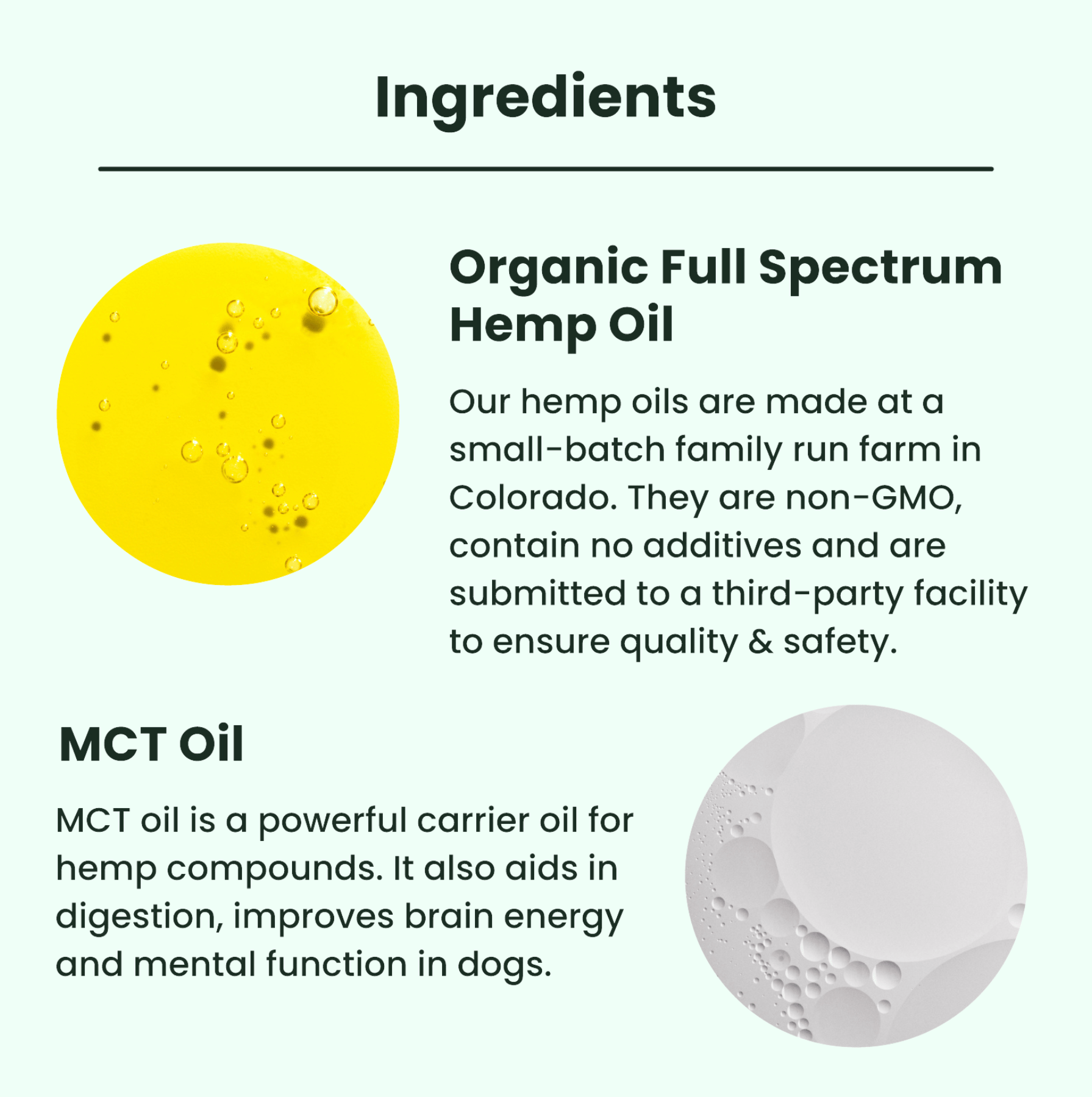
Full spectrum hemp contains CBD alongside the full range of naturally occurring cannabinoids, terpenes, and plant compounds from the hemp plant. These compounds work synergistically through the entourage effect, producing a response that isolated CBD doesn't replicate. A dog who seems unresponsive to isolate CBD may respond meaningfully to a full spectrum product at the same or lower dose — not because the dose was wrong, but because the product format was. This is the most common fixable reason for differential response, and it's worth ruling out before concluding that CBD simply doesn't work for a particular dog. Our piece on why isolate tends to underperform covers this in more depth.
The Dog Who Seems More Anxious on CBD
This is a less common but real pattern, and it deserves a direct explanation. A small number of dogs appear more unsettled after receiving CBD, particularly at higher doses. There are a few possible explanations:
- Dose is too high. In some dogs, particularly those sensitive to cannabinoids, a dose that's higher than needed can produce restlessness or mild dysphoria rather than calm. Reducing the dose — sometimes significantly — often resolves this entirely.
- Product contains more THC than labeled. This is a quality and transparency issue. Low-quality or untested products can contain higher THC levels than their labels suggest. THC is psychoactive in dogs and can cause disorientation, increased anxiety, and agitation. A COA from a reputable third-party lab is the only way to verify actual THC content. This is one of the reasons product transparency matters so much in this space.
- Timing mismatch. CBD given after a dog is already over threshold — already in a state of acute anxiety — can occasionally appear to intensify the state rather than reduce it. This isn't a drug interaction; it's a timing issue. CBD works most effectively when administered before a stressor, not reactively.
When Underlying Conditions Affect Response
Dogs with significant anxiety disorders, neurological conditions, or complex behavioral histories may show less straightforward responses to CBD than dogs with mild or situational anxiety. This doesn't mean CBD isn't appropriate — it means it may be more effective as one component of a broader management approach that includes behavioral support, environmental modifications, and in some cases prescription medication, rather than as a standalone intervention.
If your dog has a diagnosed behavioral or neurological condition, discussing CBD as part of a broader plan with your vet or a veterinary behaviorist gives you the clearest picture of how it might fit.
What to Try Before Concluding CBD Doesn't Work for Your Dog
- Confirm the product is full spectrum, not isolate or broad spectrum
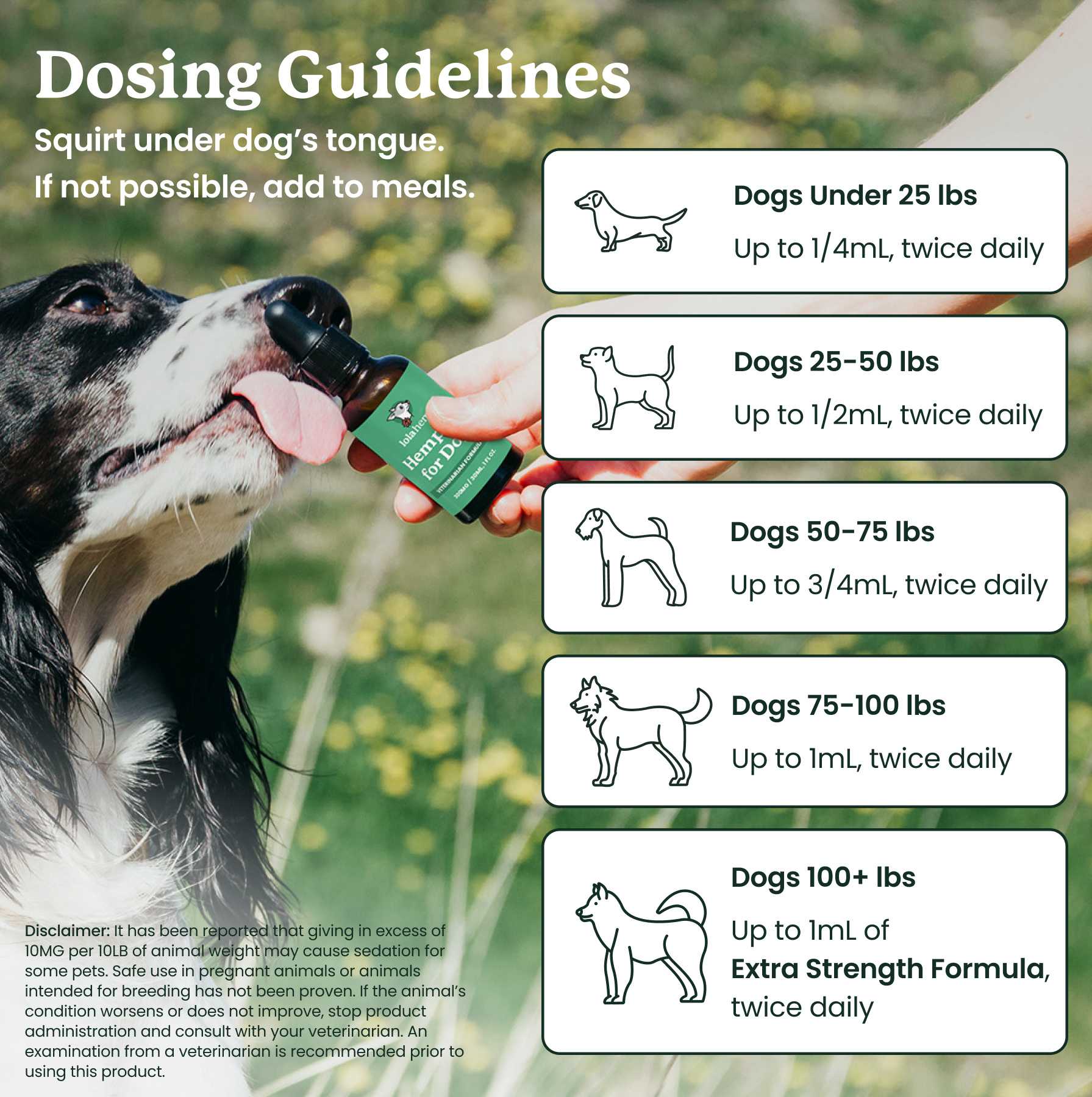
- Verify the actual CBD concentration (mg per ml, not total bottle) and recalculate the dose accordingly
- Check the COA for actual THC content and cannabinoid profile
- Ensure consistent daily use for at least four weeks before evaluating cumulative effects
- Review timing — is CBD being given at least 45 minutes before a stressor, or consistently at the same time daily for maintenance use?
- If the dog seemed more anxious, reduce the dose substantially and reassess
Working through this list before changing products or concluding CBD isn't the right fit resolves the issue in most cases. For the full picture of what drives different outcomes in different dogs, the complete troubleshooting guide covers product quality, dose, timing, and individual variation together. And if you're reassessing dose as part of this process, our guide on what actually determines the right dose covers the variables that go beyond weight.
Frequently Asked Questions
Why does CBD work for some dogs and not others?
Individual variation in the endocannabinoid system, differences in metabolism, body composition, and — most importantly — differences in product format and dose all contribute. A dog who doesn't respond to isolate CBD may respond meaningfully to a full spectrum product. A dog who shows no effect at a low dose may respond at a slightly higher one. Most cases of apparent non-response have an identifiable and addressable cause.
Why did my dog seem more anxious after taking CBD?
The most common reasons are a dose that's higher than the dog needs, a product containing more THC than labeled (a quality control issue), or CBD being given after the dog was already in an acute anxiety state rather than before the stressor. Reducing the dose and verifying the product's COA are the first steps. If it's a timing issue, giving CBD earlier relative to the trigger typically resolves it.
Do smaller dogs need proportionally less CBD?
Weight is a starting point for dosing, but smaller dogs don't always need proportionally less than larger dogs when you account for metabolic rate. Some small breeds metabolize CBD quickly and may actually need more frequent or slightly higher doses relative to their size than a larger, slower-metabolizing breed. Assess response rather than relying on weight math alone.
Can a dog build up a tolerance to CBD?
Dogs don't build a true pharmacological tolerance to CBD the way they do to some other compounds. If CBD seems to become less effective over time, the more likely causes are inconsistent dosing, a change in the dog's stress load or activity level, or gradual product degradation from improper storage. Reviewing those variables before assuming tolerance is usually more productive.
Should I try a different CBD product if my dog isn't responding?
Before switching products, confirm that the current product is full spectrum, that the dose reflects the actual mg-per-ml concentration rather than just weight, and that use has been consistent for at least four weeks. If those are all in place and you're seeing no effect, switching to a higher-quality full spectrum product with a verified COA is a reasonable next step.


