

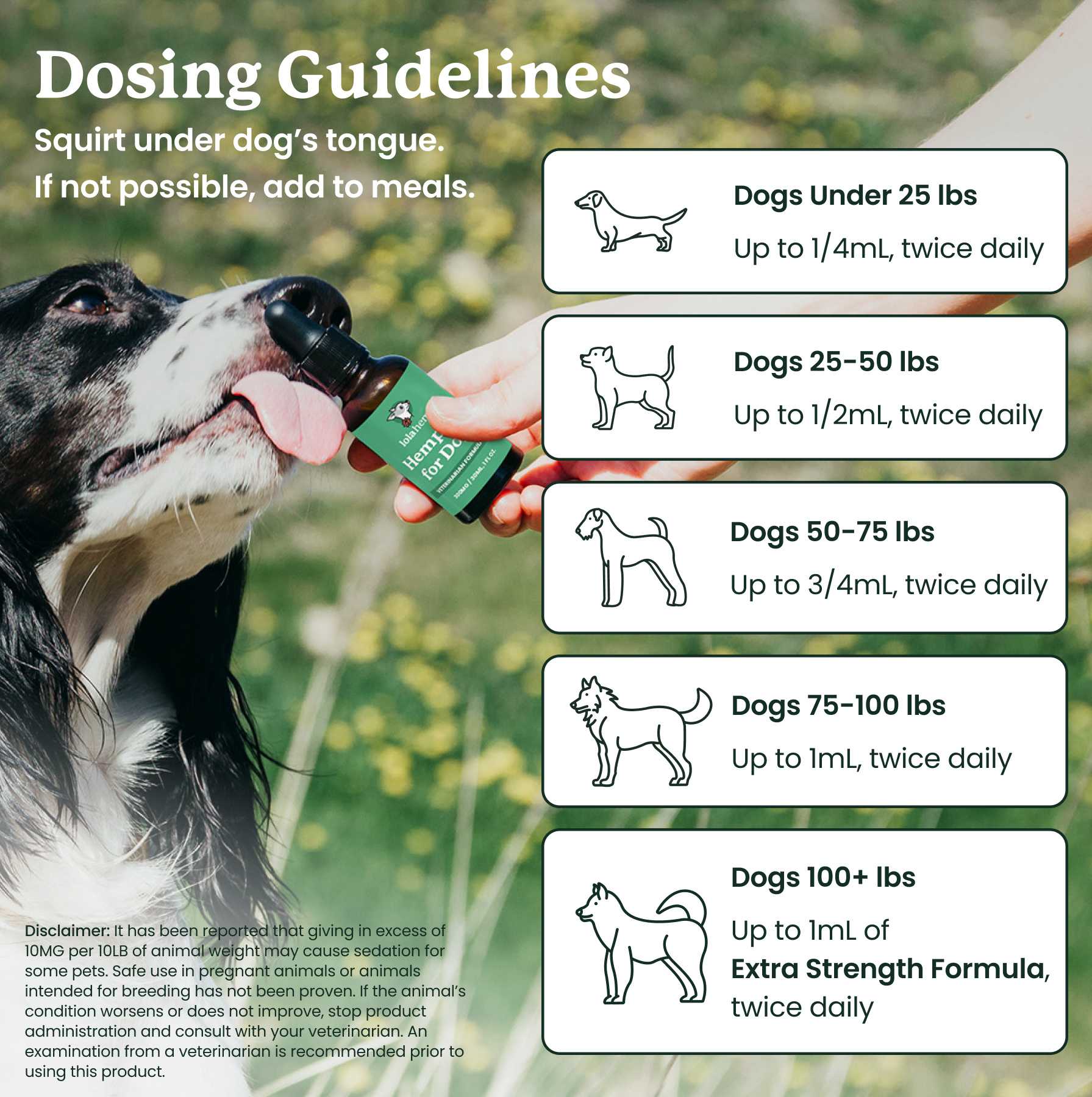
Weight-based dosing charts are everywhere in the pet CBD space, and they're a reasonable starting point. But if you've ever followed one exactly and still felt like you were guessing, that's because you were. Your dog's weight is one input in a much more complex equation. The owners who get the best results from CBD are the ones who understand what else is in play.
Related product



Why Weight Alone Isn't Enough
A 50-pound dog isn't just a 50-pound dog. Two dogs at identical weights can respond very differently to the same dose based on factors that have nothing to do with how much they weigh. Body composition, age, metabolism, what the CBD is being used for, and the quality of the product itself all influence how much your dog actually needs — and how they respond.
Weight charts also can't account for what's happening inside the product. A 600mg bottle and a 1200mg bottle dosed by the same chart will produce very different outcomes. Understanding concentration is at least as important as understanding weight.
Concentration: The Number That Actually Matters
Before dose, understand what's in the bottle. The number on the label — 300mg, 600mg, 1200mg — refers to the total CBD content in the entire bottle, not per serving. What matters for dosing is the amount of CBD per milliliter.
A 600mg bottle with 60ml of oil contains 10mg per ml. A 300mg bottle with 30ml contains the same. A 1200mg bottle with 60ml contains 20mg per ml — twice the concentration. Same volume, very different doses. If you're measuring by dropper without doing that math first, you're not actually controlling the dose.
Most standard droppers hold about 1ml. Know your product's mg-per-ml before you start, and use that number — not the bottle total — as your dosing reference.
Full Spectrum vs Isolate: Why It Changes the Dose
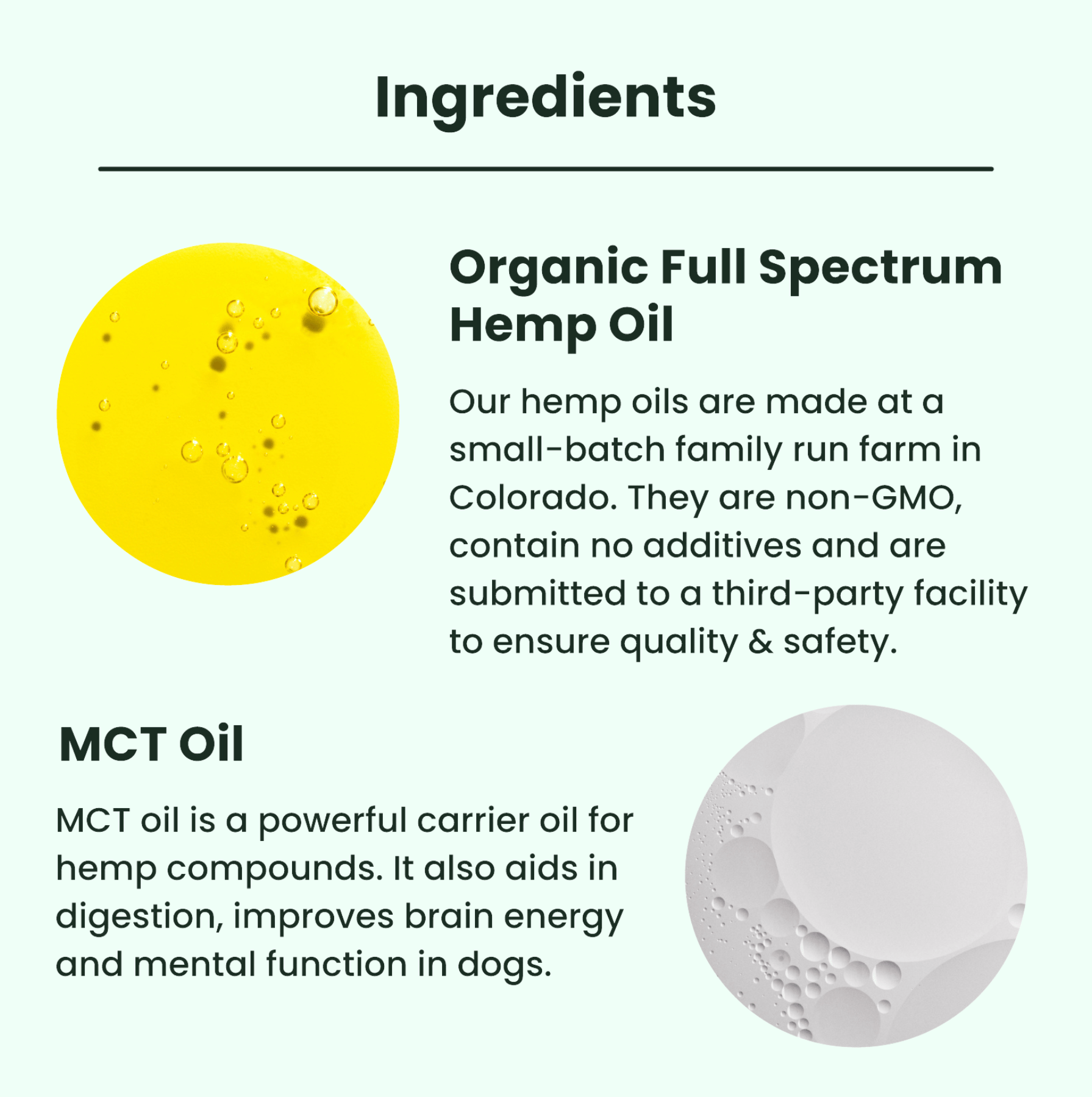
This is the part most weight charts skip entirely. Full spectrum CBD and isolate CBD are not interchangeable at the same dose. Full spectrum products contain the full range of naturally occurring cannabinoids, terpenes, and plant compounds from the hemp plant. These compounds work together in what researchers call the entourage effect — a synergistic relationship that makes the whole more effective than any single compound alone.
In practical terms, this means a lower dose of a quality full spectrum product will often produce more noticeable results than a higher dose of isolate. If your weight chart is calibrated for isolate — which many are — and you're using full spectrum, you may be starting higher than you need to. If you're using isolate and wondering why it's not working, the format may be the issue rather than the dose. This is covered in more depth in our post on why isolate CBD tends to underperform.
What You're Using CBD For Changes the Target Dose
CBD used for situational calm — before a vet visit, during a storm — is dosed differently than CBD used for daily joint or cognitive support. Acute use is typically a single higher dose given 30 to 60 minutes before a stressor. Chronic daily support tends to use a consistent lower dose given at the same time each day, building effects over weeks rather than hours.
Starting at the same dose for both situations is one of the most common reasons owners feel like CBD isn't working. A dose that produces a noticeable calming effect for storms may be higher than what's needed or optimal for daily wellness. A daily maintenance dose may not be enough to make a meaningful difference in an acute anxiety situation.
Age and Metabolism
Senior dogs often metabolize CBD more slowly than younger dogs. This means the same dose may stay active in their system longer — which can be useful, but also means buildup is more of a consideration if you're dosing multiple times daily. Starting lower and moving up gradually is especially important for older dogs, and giving them more time between doses to assess the effect is worth building into the process.
Conversely, highly active younger dogs with fast metabolisms may process CBD more quickly and show shorter windows of effect. For those dogs, timing relative to a stressor matters more, and the duration of a single dose may be shorter than expected.
Body Composition
CBD is fat-soluble, which means it is stored in fatty tissue. Dogs with higher body fat relative to their weight may retain CBD differently than lean, muscular dogs at the same weight. This is a lesser factor than concentration or format but worth noting when fine-tuning a dose that isn't producing expected results.
Food: With or Without
Giving CBD with food — particularly food that contains fat — improves absorption. CBD's fat-soluble nature means it is taken up more effectively when there's dietary fat present to carry it. An empty stomach reduces bioavailability, which means more of the dose passes through without being absorbed. For daily supplementation especially, giving CBD with or just after a meal consistently will produce more predictable results than giving it at random relative to feeding.
How to Actually Dial In a Dose
Start at the lower end of the weight-based recommendation for your product's concentration. Hold that dose for five to seven days before adjusting. Watch for specific, observable changes — how easily your dog settles, how they move in the morning, whether their baseline anxiety level seems lower — rather than looking for a dramatic single-day shift.
If nothing is observable after a week at the starting dose, move up incrementally — typically by 25 to 50 percent of the starting amount — and hold again. If you reach a dose that produces the effect you're looking for, that's your dog's dose. It may be different from the chart. That's expected.
If you've worked through this process and are still not seeing results, the issue is more often the product than the dose. Understanding the difference between what a dose does acutely versus what builds over time with consistent use will also help set more accurate expectations — which we cover in more detail in our piece on acute versus cumulative CBD effects.
For the broader question of why CBD sometimes doesn't work despite correct dosing, the full troubleshooting guide covers product quality, format, timing, and other contributing factors in one place.
Frequently Asked Questions
How much CBD should I give my dog?
Start at the lower end of the weight-based recommendation for your specific product's concentration (mg per ml, not total bottle mg). Hold that dose for five to seven days before adjusting. The right dose varies by dog, product format, and what you're using CBD for — weight is a starting point, not the final answer.
Does it matter if I give CBD with food?
Yes. CBD is fat-soluble, meaning it absorbs better when given with food — particularly food that contains fat. Giving CBD consistently with or after a meal produces more predictable absorption than giving it on an empty stomach.
Why does my dog seem to need a different dose than the chart says?
Weight charts are a general starting point that can't account for your dog's individual metabolism, age, body composition, or the specific concentration and format of the product you're using. Full spectrum products tend to require lower doses than isolate to produce comparable effects. Adjust based on what you observe rather than following the chart rigidly.
Should I give more CBD for anxiety than for joint support?
Often yes — acute situational use (for storms, vet visits, travel) typically calls for a single higher dose given 30 to 60 minutes before the stressor. Daily support for joints or chronic anxiety uses a consistent lower dose over time. Using the same dose for both situations is one reason owners feel like CBD is inconsistent.
How do I know if the dose is too high?
Signs that a dose may be higher than needed include excessive sedation, wobbliness, or digestive upset. These are typically dose-dependent and resolve quickly. If you observe any of these, reduce the dose and give your dog more time between servings. Hemp-derived CBD at appropriate doses has a wide safety margin, but dialing in gradually is the most reliable approach.


