

This is the question most owners are quietly asking after a few weeks on CBD — and not getting a clear answer to. The challenge isn't that the effects are subtle. It's that most people are looking for the wrong things, in the wrong timeframe, using the wrong evaluation method. CBD works in ways that don't always announce themselves. Knowing what to actually look for makes the difference between concluding it's not working and recognizing that it is.
- The Problem With How Most People Evaluate CBD
- How to Tell If It's Working for Situational Anxiety
- How to Tell If It's Working for Joint Support
- How to Tell If It's Working for Anxiety or Behavioral Changes
- The Tracking Method That Actually Works
- Signs the Dose or Product May Need Adjustment
- Frequently Asked Questions
Related product



The Problem With How Most People Evaluate CBD
Most owners assess CBD the way they'd assess a painkiller — they give it, then watch for an obvious change. This works for acute situational use, where a calmer dog during a thunderstorm is a clear signal. It doesn't work for cumulative benefits like joint support or chronic anxiety, where the changes are gradual and show up across days and weeks rather than within a single dosing window.
The other common mistake is evaluating too early. Two or three days of CBD for joint stiffness tells you almost nothing. Four weeks of consistent daily use tells you quite a lot. Pulling the evaluation too early — then concluding it doesn't work — is one of the most reliable ways to miss a product that's actually producing results.
How to Tell If It's Working for Situational Anxiety
For acute use — storms, vet visits, car rides — the evaluation window is the event itself. You're looking for differences in how your dog moves through the stressor compared to their baseline without CBD. Useful things to observe:
- Does your dog settle faster after the trigger begins?
- Is the intensity of the reaction lower — less panting, less pacing, less vocalization?
- Do they return to baseline more quickly once the stressor passes?
- Are they able to accept food, attention, or distraction during the event when they normally can't?
You're not looking for a dog who doesn't notice the storm. You're looking for a dog who handles it with less physical and behavioral distress. That's a real effect, and it's measurable if you've observed your dog's baseline response enough times to know what it looks like without intervention.
How to Tell If It's Working for Joint Support
Joint support is a cumulative use case, and the signals are behavioral rather than dramatic. After two to four weeks of consistent daily CBD, look for:
- Morning stiffness — does your dog get up more easily than they did a few weeks ago?
- Willingness to move — are they initiating activity they were previously avoiding?
- Transitions — getting up from lying down, navigating stairs, loading into the car
- Post-exercise recovery — are they less stiff the morning after a walk?
- Sleep quality — are they changing position less frequently at night?
These are pattern changes, not single-event changes. A dog who gets up more readily on Tuesday doesn't tell you much. A dog who consistently gets up more readily across two weeks of mornings tells you the product is producing an effect.
How to Tell If It's Working for Anxiety or Behavioral Changes
For dogs on daily CBD for generalized anxiety or stress, the signals are also pattern-level rather than event-level. Things to track:
- Baseline energy — does your dog seem less vigilant or reactive in normal daily situations?
- Settling — do they lie down and stay down more readily without triggers present?
- Separation — how do they handle the pre-departure routine and your absence?
- Recovery from mild stressors — do they return to calm faster after something startles them?
- Sleep — are they sleeping more consistently through the night?
The Tracking Method That Actually Works
Memory is not a reliable evaluation tool for gradual changes. A simple log — even just three or four words per day — makes patterns visible in a way that looking back on the past two weeks from memory doesn't. Note how your dog got up, how they moved on the walk, how they handled something that usually triggers them, how they settled at night. After three to four weeks, look across the whole log rather than at individual entries.
Most owners who do this find the changes are there. The log makes them visible because you're comparing day one to day twenty-eight rather than trying to remember whether things seem different in general.
Signs the Dose or Product May Need Adjustment
If you've used CBD consistently for four weeks at an appropriate dose and see no observable change in any of the above — not a slight change, nothing — it's worth considering whether the product format or dose is the right fit before concluding CBD doesn't work for your dog. The most common issues are:
- Underdosing — particularly common with isolate products or when using a chart calibrated for a different format
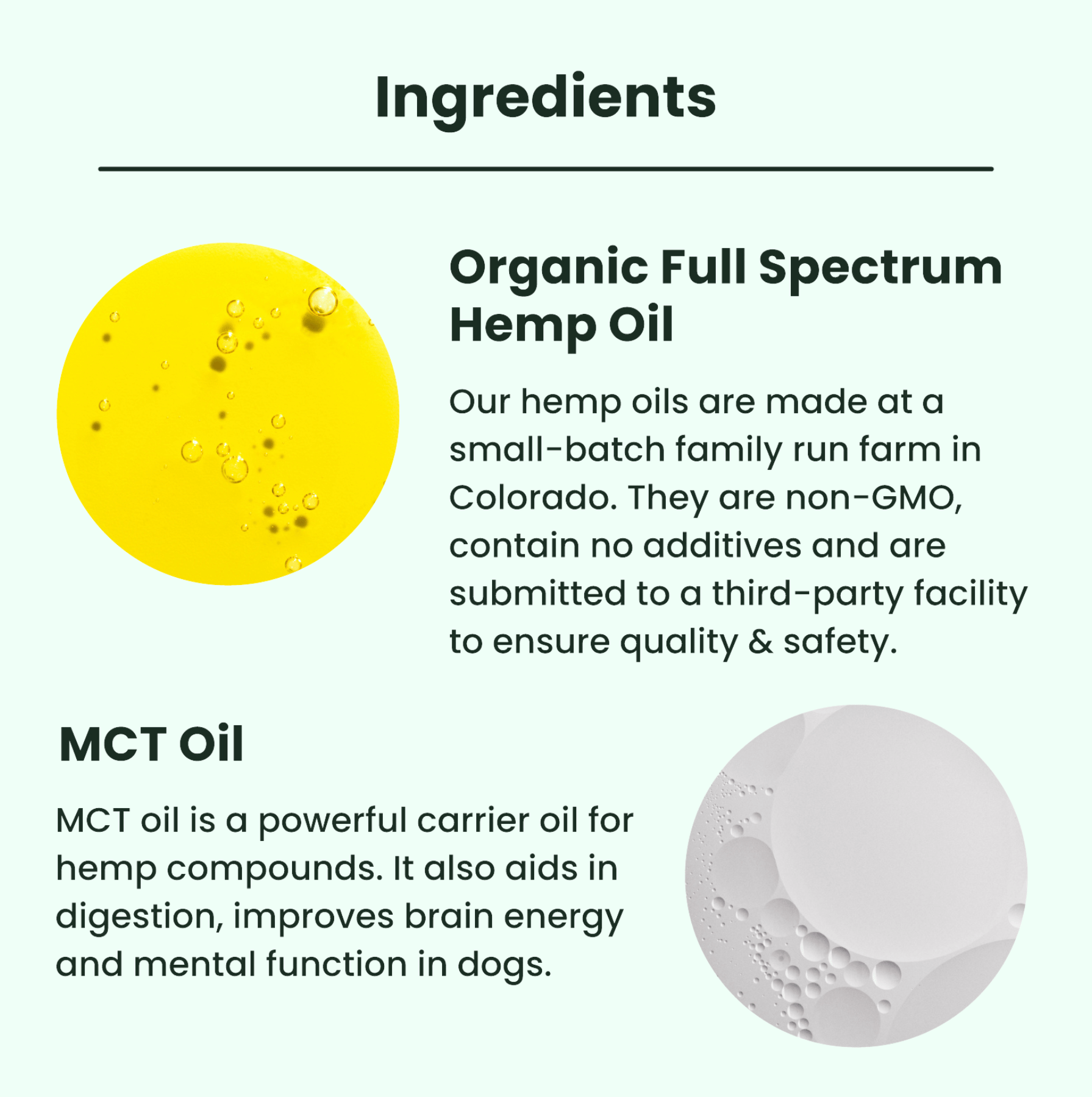
- Isolate format instead of full spectrum — the entourage effect produces meaningfully different outcomes at the same dose level
- Inconsistent timing — missing doses or giving CBD at random times undermines cumulative effects
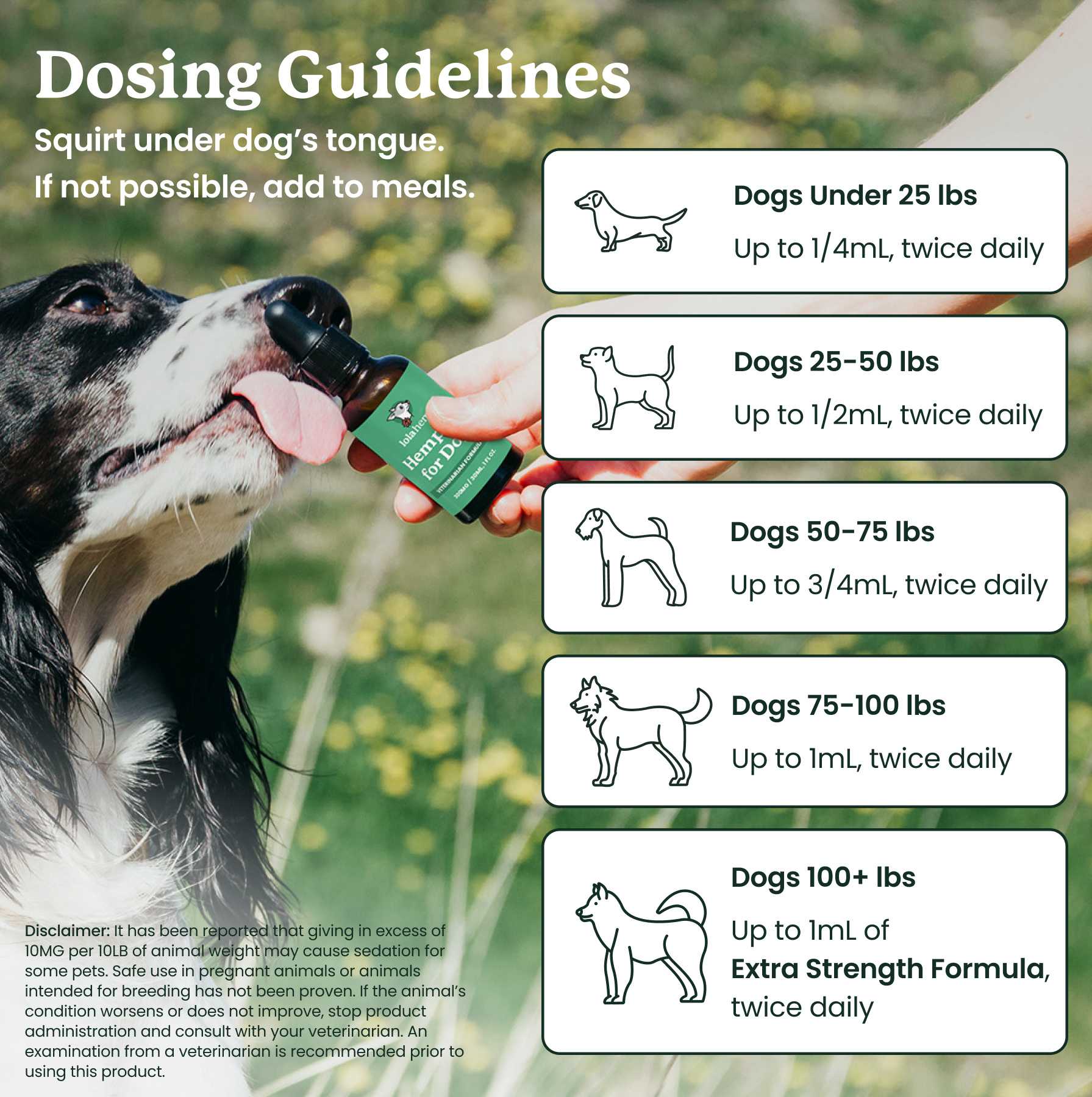
Understanding what actually determines effective dosing — beyond a simple weight chart — is worth reviewing before adjusting. Our guide on what determines the right dose for your dog covers the variables that weight alone doesn't account for.
And if you're working through whether this is an acute or cumulative timing issue, the distinction between acute and cumulative effects is worth understanding before adjusting anything. For the full troubleshooting picture, the complete guide to why CBD sometimes doesn't work covers all the variables together.
Frequently Asked Questions
How long does it take to know if CBD is working for my dog?
It depends on what you're using it for. For situational anxiety, evaluate during the event itself after a correctly timed dose. For joint support, chronic anxiety, or behavioral changes, give it consistent daily use for at least three to four weeks before drawing conclusions. Evaluating too early is the most common reason owners miss real results.
What does CBD working actually look like in a dog?
The signs are usually behavioral and gradual rather than dramatic. A dog with joint issues may get up more easily in the mornings and move more willingly. A dog with anxiety may settle faster, recover from stressors more quickly, and show less vigilance in normal daily situations. These are pattern changes across days and weeks, not single-day events.
What if my dog seemed better at first and then I stopped noticing?
This is often a tracking issue rather than a product issue. Gradual improvements can become the new baseline, making them invisible to daily observation. Going back to your dog's pre-CBD baseline — how they moved, settled, and reacted — and comparing honestly with current behavior often reveals more change than you're giving credit for.
Is there a way to test whether CBD is actually responsible for the change?
The most reliable method is stopping CBD for one to two weeks and observing whether your dog returns to their previous baseline. If the improvements reverse and then return when CBD is reintroduced, that's a meaningful signal that the product is contributing. This is most useful for cumulative effects like joint mobility or baseline anxiety.
What if CBD doesn't seem to work for my dog at all?
First confirm that the product is full spectrum rather than isolate, that the dose is appropriate for your dog's weight and the product's concentration, and that use has been consistent daily for at least four weeks. If all of those are in place and there's genuinely no observable change in any area, it's worth discussing with your vet — some dogs have endocannabinoid systems that respond differently, and there may be other underlying factors worth investigating.


