CBD for dogs is a promising option for many of our precious pets. It may offer a natural solution with a variety of benefits, but there are still safety precautions to take before giving CBD to your dog. A big concern for many pet owners is how a medication or supplement will affect their pets' kidneys and overall kidney health. So, is CBD hard on a dog's kidneys?
Because CBD is generally considered safe for most dogs, the considerations you have to make surround your dog's existing health issues and concerns. There are certain situations where CBD can negatively influence a dog's kidneys if they are already facing health issues.
Generally speaking, however, CBD for dogs hasn't shown to be harsh on a dog's kidneys. Let's take a closer look.
- How CBD Affects Your Dog's Kidneys
- Does CBD Raise Kidney Values in Dogs?
- When Could CBD Put More Stress on a Dog’s Kidneys?
- How to Use CBD More Safely If You’re Worried About Kidneys
- When to Avoid or Stop CBD for Kidney Reasons
- The Bottom Line on CBD and Dog Kidneys
- Frequently Asked Questions About CBD and Dog Kidneys
Related product




How CBD Affects Your Dog's Kidneys
CBD doesn’t go straight to the kidneys when being processed. Like most compounds, it’s processed by the liver first, then the remaining byproducts are lost through bile and urine.
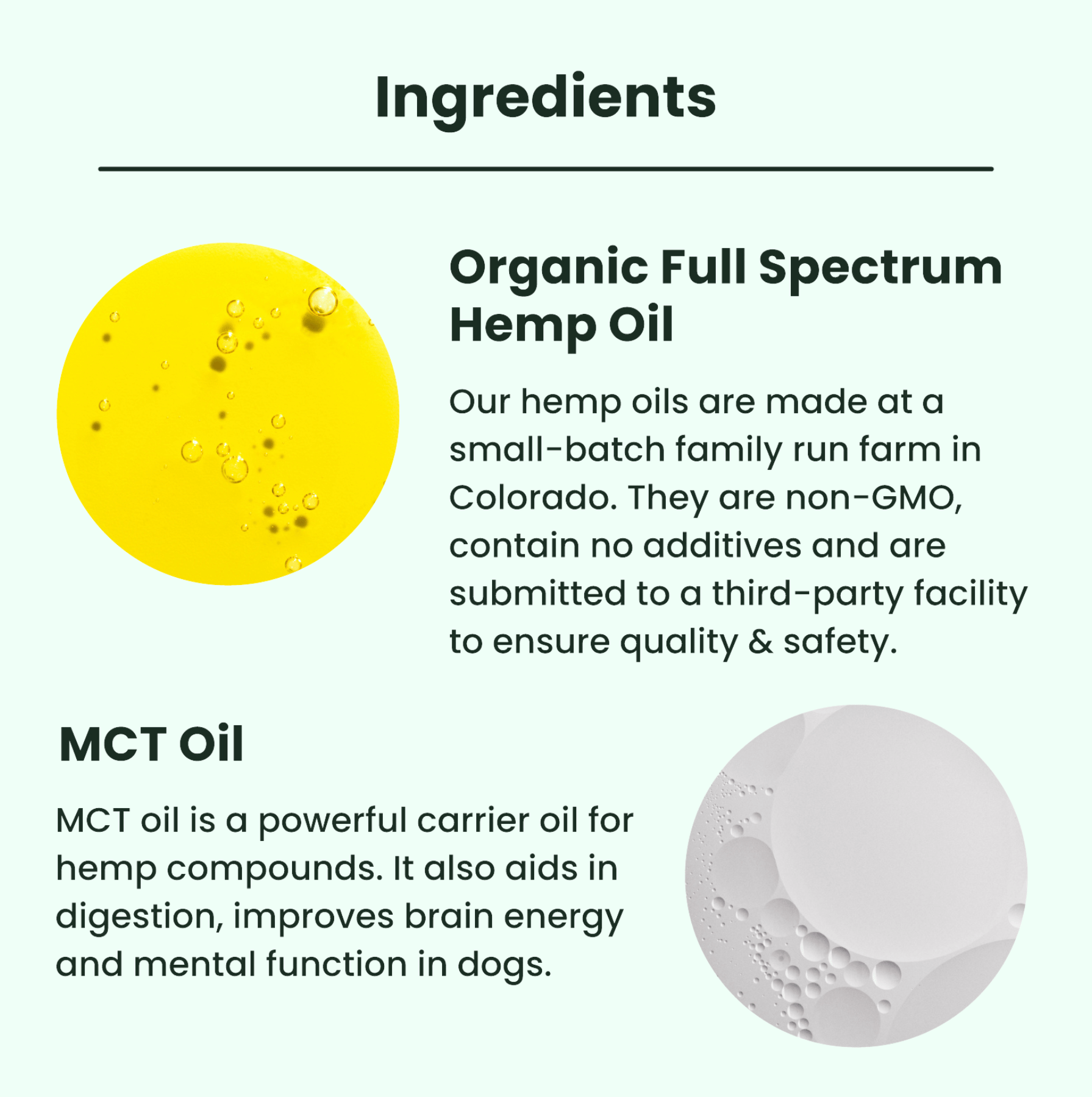
The kidneys come into play later, filtering through leftover waste, which can be a problem for many supplements, but not necessarily for CBD. In most cases, high quality CBD products for dogs only have a few natural ingredients that don't leave a lot of leftover waste.
That means CBD isn’t working directly on the kidneys in the way a classic “kidney toxin” might. Instead, CBD influences the system indirectly.
For a healthy dog with normal lab work, this extra metabolic work hasn’t been shown to push kidney values outside the normal range when CBD is used at proper weight-based doses.
Dogs that already have compromised kidney function—some senior dogs, dogs with chronic conditions, or dogs on multiple medications—may experience heightened kidney levels on CBD. In those cases, many different supplements can have the same effect, simply because of the extra metabolic work in most cases.
Does CBD Raise Kidney Values in Dogs?
Note: Current knowledge of CBD and kidney values in dogs is based on dogs who were given weight-based dosages of CBD. The effects of high doses of CBD or CBD use in dogs with kidney disease is unknown.
CBD hasn’t been shown to raise kidney values like BUN and creatinine to dangerous or abnormal ranges in healthy dogs. In the studies we have, CBD was being evaluated for things like pain, arthritis, or behavior, but researchers also tracked basic safety labs (like kidney values) along the way.
In primary CBD studies, values generally stayed within normal limits, and there wasn’t a consistent pattern of clinically meaningful increases that would point to overt kidney damage caused by CBD usage.
That doesn’t mean CBD is automatically risk-free for every dog. The data we have are still limited: study groups are relatively small, the dogs are usually otherwise healthy, and the time frames range from weeks to several months—not years. So while CBD for dogs hasn’t shown to be harsh on the kidneys in these settings, we also don’t have the kind of long-term, kidney-focused trials that would let us say CBD is completely kidney-safe in all situations.
When Could CBD Put More Stress on a Dog’s Kidneys?
Dogs whose kidneys are already working harder than normal, or dogs who are on some medications (drugs for pain, inflammation, heart, blood pressure, infection, cancer, and other renally-processed medications).
CBD could be more concerning for kidney health in dogs who:
- Have diagnosed chronic kidney disease (CKD) or a history of kidney injury.
- Are senior dogs, especially larger breeds that are more likely to have age-related organ changes.
- Take long-term medications that are processed by the liver and kidneys, such as NSAIDs for arthritis, certain heart or blood pressure drugs, or some anticonvulsants.
- Have ongoing issues like dehydration, heart disease, or high blood pressure, all of which can influence kidney workload.
In these dogs, the question isn’t just “Does CBD hurt kidneys?” but “How much extra work am I asking my dog’s body to do?” CBD may still be an option, but it moves out of the casual-supplement category and into the “only with vet oversight and lab monitoring” category.
How to Use CBD More Safely If You’re Worried About Kidneys
If kidney health is on your mind, the safest way to approach CBD is to treat it the same way you’d treat any other medication or supplement that could influence lab values: with a plan, not on a whim. That starts with knowing where your dog’s kidneys stand before CBD ever enters the picture.
Here are a few practical steps that align with how the research has been done so far:
- Get baseline labs first. Ask your vet to check BUN, creatinine, and ideally urine specific gravity (and SDMA if available) before starting CBD. That gives you a true “before” picture.
- Use a pet-specific, third-party tested product. Quality matters. Contaminants like heavy metals or residual solvents are far more likely to be a problem for kidneys than CBD itself.
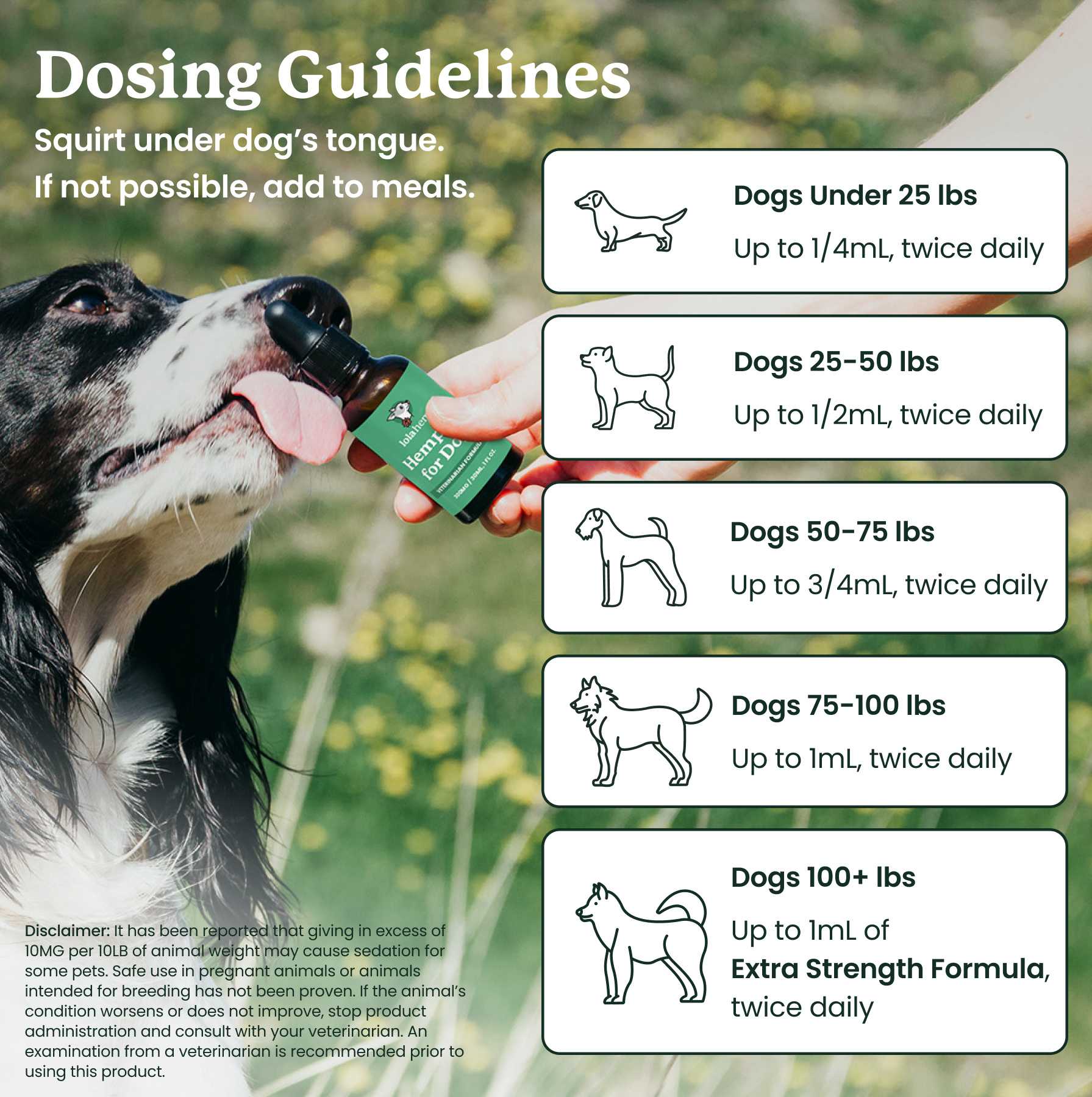
- Stick to weight-based dosing and go low and slow. Start at the low end of the suggested range and give your dog time to adjust before increasing, if needed.
- Schedule follow-up bloodwork. Recheck kidney values after a few weeks of consistent use, or on the timeline your vet recommends, to see whether BUN and creatinine are holding steady.
- Watch your dog, not just the numbers. Changes in thirst, urination, appetite, energy, or vomiting are all reasons to pause CBD and call your vet.
When to Avoid or Stop CBD for Kidney Reasons
There are some situations where it’s reasonable to skip CBD altogether or stop it once it’s been started, at least until you’ve had a detailed discussion with your veterinarian.
It may be best to avoid CBD or use it only under close veterinary supervision if your dog:
- Has advanced kidney disease or rapidly changing kidney values.
- Is in the middle of an acute illness involving dehydration, vomiting, or diarrhea.
- Is on a complex medication regimen where drug interactions are a real concern.
- Starts CBD and then develops new signs like increased drinking or urination, lethargy, or repeated vomiting.
In these cases, removing variables is often the safest move. Stopping CBD makes it easier to see what’s driving changes in your dog’s labs or day-to-day behavior, and it gives your vet clearer information to work with.
The Bottom Line on CBD and Dog Kidneys
So far, research on CBD for dogs hasn’t shown it to be directly harsh on healthy kidneys when used at appropriate, weight-based doses. Kidney values like BUN and creatinine have generally stayed within normal ranges in the dogs studied, and overall kidney function has remained stable. The bigger gaps are about time (we don’t have multi-year data yet) and about higher-risk dogs (most studies focus on otherwise healthy pets).
For many dogs, CBD can be one tool among several for issues like pain, anxiety, or discomfort, without kidney complications. For dogs with kidney disease, complex medical histories, or multiple medications on board, it’s something that needs to be folded into a bigger medical plan rather than added casually.
When in doubt, looping in your vet, getting baseline and follow-up lab work, and staying open to adjusting or stopping CBD based on how your dog does is the most kidney-friendly approach.
Frequently Asked Questions About CBD and Dog Kidneys
Is CBD safe for dogs with healthy kidneys?
CBD has not been shown to negatively affect kidney values in healthy dogs when used at appropriate, weight-based dosages.
Can CBD raise BUN or creatinine in dogs?
Studies so far have not shown clinically meaningful increases in BUN or creatinine in healthy dogs taking CBD.
Should dogs with kidney disease take CBD?
Dogs with kidney disease should only use CBD under veterinary supervision with baseline and follow-up lab monitoring.
Does CBD interact with medications processed by the kidneys?
CBD may increase metabolic workload in dogs taking renally processed medications, so veterinary guidance is recommended.
How can I use CBD more safely if I’m worried about kidney stress?
Using third-party tested products, following weight-based dosing, getting baseline labs, and monitoring follow-up labs can help ensure safer CBD use.