Dogs typically tuck or lower their tails to signal an unpleasant emotion or sensation. Discomfort, confusion, uncertainty, stress, fear, and pain are common culprits. The level of those feelings can vary, however, so there's no need to panic that your dog is in severe pain.
Still, it's important to do some investigation and see what's going on, especially if it's a persistent issue. We'll take a look at the most common causes of a tucked or lowered tail in dogs today, in hopes that you can resolve the issue your dog is facing.
Let's get started.
- Tucked vs Lowered Tail in Dogs
- Fear & Stress are the Most Common Causes of Tucked & Lowered Tails
- Pain and Physical Discomfort are Also Causes
- What To Do About Your Dog's Tucked Tail
- Conclusion
- Frequently Asked Questions about Tucked or Lowered Tails in Dogs
- Why is my dog’s tail tucked between their legs?
- Can a dog tuck their tail when they’re not scared?
- My dog’s tail is tucked but they’re acting normal—should I worry?
- Why is my dog tucking their tail after pooping?
- Why does my dog tuck their tail after grooming or a vet visit?
- When should I take my dog to the vet for a tucked or lowered tail?
Related product



Tucked vs Lowered Tail in Dogs
A tucked tail will lower down beyond the hipline and sit between the legs. This often points to a more intense feeling of fear or discomfort rather than just a passing emotion. A lowered tail won't quite cross that hipline, and it is usually more of a response to a situation than a deep feeling of pain, for example.
You can think of the tail's position as sort of a continuum, with the lowest position (or most "tucked") signaling the most pain or discomfort.
Fear & Stress are the Most Common Causes of Tucked & Lowered Tails
You'll most often see a tucked or lowered tail in your dog when there are loud noises, new places, or unfamiliar people around. Fireworks, storms, parties, and trips to the vet are all common situations that may produce a lowered tail.
If your dog lowers their tail repeatedly in these situations, it could be a sign of an anxiety disorder. Dogs may drop their tails and make themselves smaller to indicate fear, reducing their physical threat to their perceived stressor. This is a submissive behavior left over from dogs' past as wolves, allowing them to reduce the odds that an aggressor would attack them or see them as a threat and leave them be.
Pain and Physical Discomfort are Also Causes
When dogs lower or tuck their tails out of pain , that pain is typically located around the tail or GI tract. Back pain, hip pain, tail injuries, anal gland irritation, and an upset stomach are common causes of pain-related tail tucking.
If your dog isn't in a situation that could be stressful, yet they're tucking their tail repeatedly, there's a good chance they're in some form of discomfort. In this situation, you should schedule an appointment with your vet as soon as possible.
You may also notice other signs of pain, such as stiff walking, limping, licking, whining, and more. In any of these cases, a trip to the vet is in order. It's difficult to know how severe the pain or injury may be, and a veterinary diagnosis is the only way to know that it's not something serious.
What To Do About Your Dog's Tucked Tail
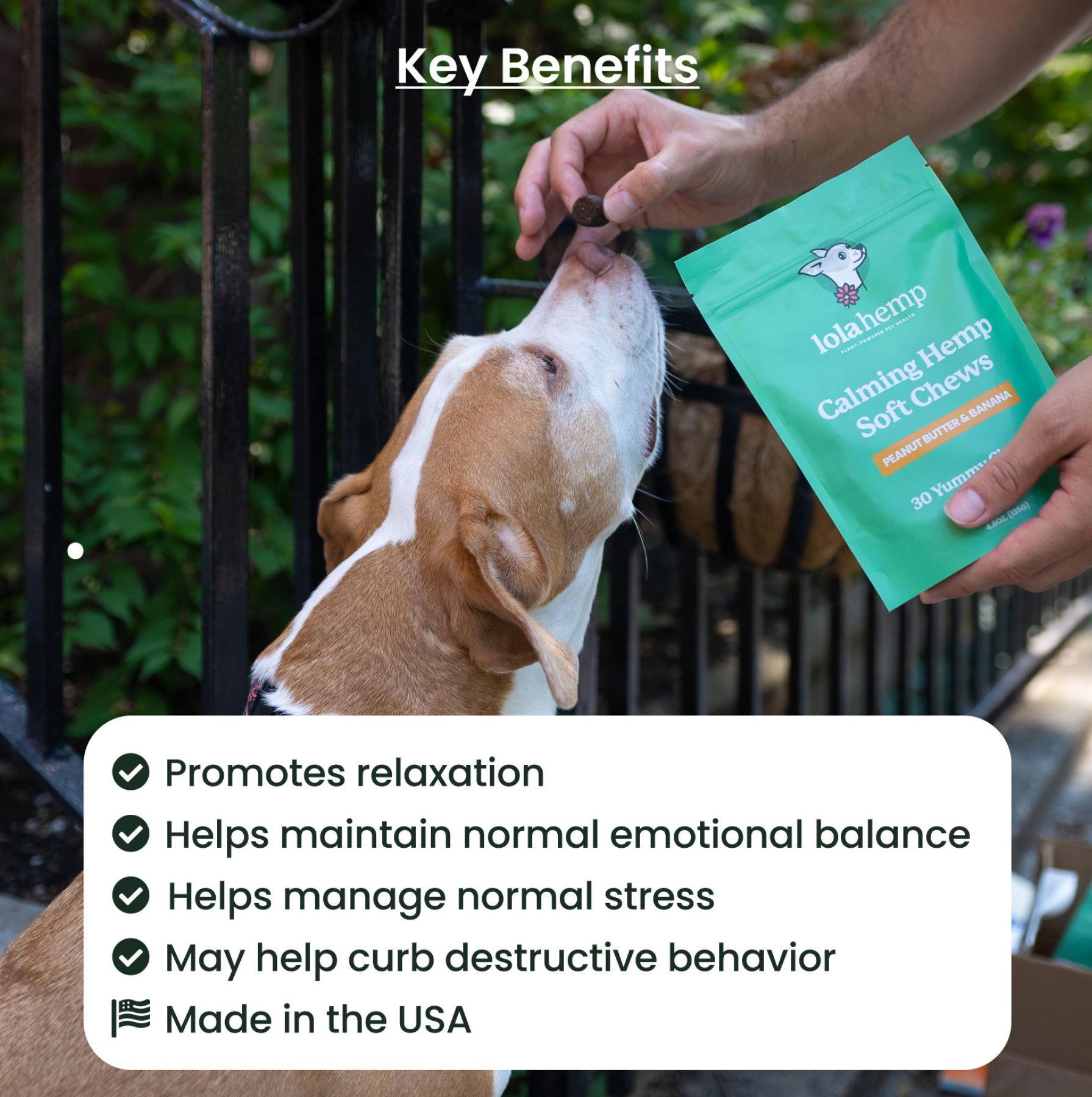
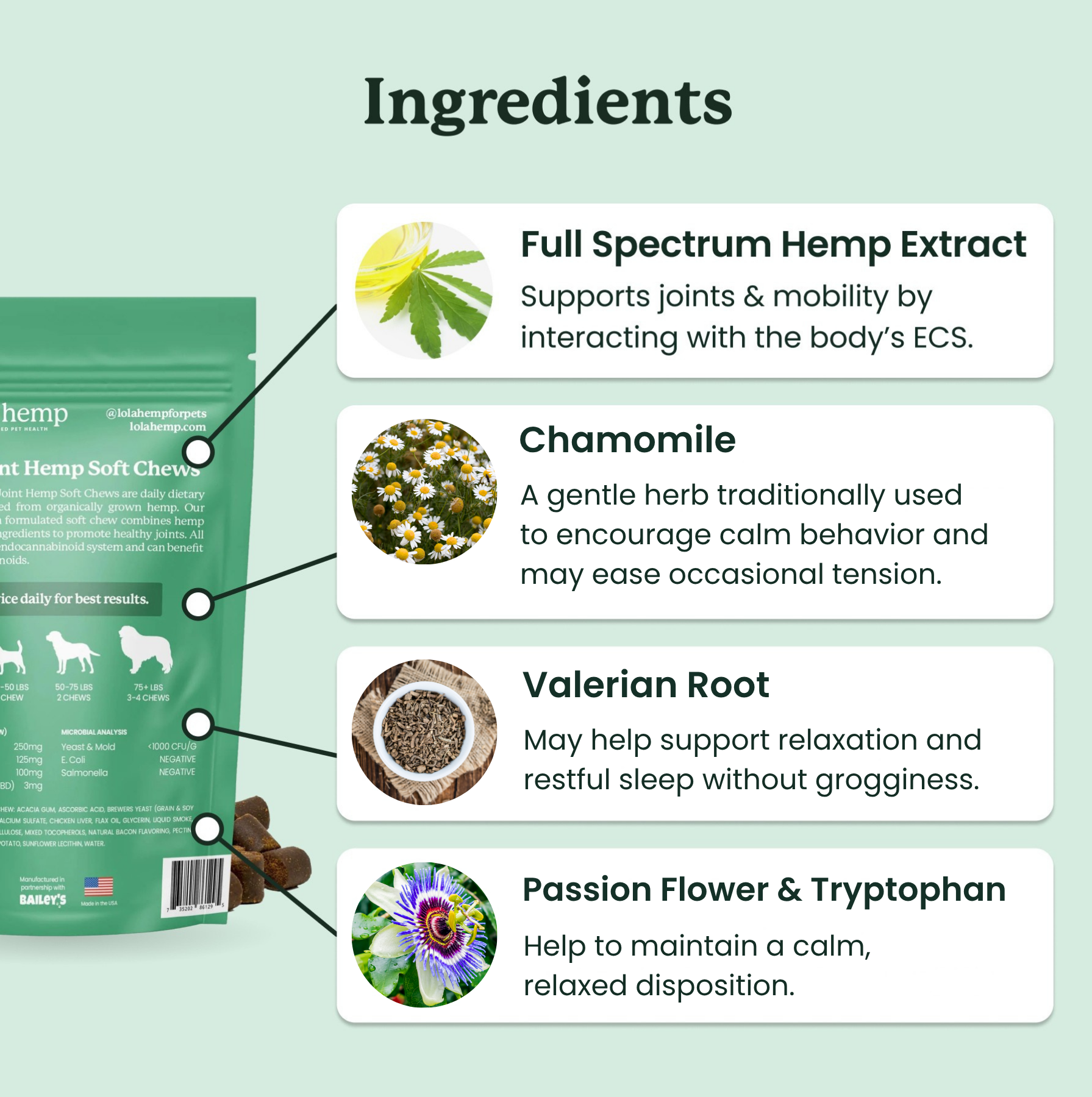
If your dog tucks their tail in the same situations over and over (e.g., thunderstorms, fourth of July celebrations, etc.), you may not need to do anything if it's not interfering with their quality of life otherwise. You can work on your dog's anxiety with training, calming supplements, or environmental adjustments to keep them away from their stressors.
In cases where you can't diagnose the issue yourself, or there's repeated tail tucking with no apparent anxiety-related cause, you need to have the issue checked out by your veterinarian. Your dog is communicating something with you, and you'll need a veterinarian to determine what it is.
Conclusion
Dogs tuck and lower their tails in response to fear, anxiety, and pain. In many cases, there's a clear source of anxiety or fear, and these are normal instances of canine behavior. If there's no apparent cause of the tail tucking, and it happens consistently, there's a chance it's pain-related and should be inspected by a veterinarian.
Frequently Asked Questions about Tucked or Lowered Tails in Dogs
Why is my dog’s tail tucked between their legs?
A tucked tail most often signals fear, stress, or discomfort. Loud noises, unfamiliar people or dogs, new environments, and vet visits are common triggers. If it happens without an obvious stressor or comes with other signs of pain, it may be physical discomfort and should be checked by a veterinarian.
Can a dog tuck their tail when they’re not scared?
Yes. Dogs may tuck or lower their tails due to pain, nausea or GI upset, anal gland irritation, or general discomfort. Some dogs also lower their tails when they’re unsure or overstimulated rather than truly afraid.
My dog’s tail is tucked but they’re acting normal—should I worry?
If your dog is eating, drinking, moving normally, and the tail tucking passes quickly after the trigger is gone, it may be a temporary stress response. If it’s new, happens repeatedly with no clear cause, or lasts more than a day or two, it’s worth a vet visit to rule out pain or illness.
Why is my dog tucking their tail after pooping?
Tail tucking after pooping can happen with anal gland irritation, constipation, diarrhea, or discomfort in the rear end. If you also notice scooting, excessive licking, a strong odor, or straining, have your vet check for anal gland or GI issues.
Why does my dog tuck their tail after grooming or a vet visit?
Grooming and vet visits can be stressful, and many dogs lower or tuck their tails when they feel overwhelmed or uncertain. It can also happen if your dog is sore, sensitive around the tail area, or uncomfortable after handling, so watch for stiffness, flinching, or pain when sitting.
When should I take my dog to the vet for a tucked or lowered tail?
Schedule a vet visit if the tail tucking is sudden and persistent, your dog seems painful when touched, there’s limping or stiffness, your dog won’t eat, or you notice vomiting or diarrhea. If you can’t identify a clear stress trigger and it keeps happening, a veterinary exam is the best next step.