Dogs can show compulsive behavior to cope with an unpleasant emotion or sensation. Stress, anxiety, boredom, frustration, confusion, discomfort, and pain are common culprits. The level of those feelings can vary, however, so there's no need to panic that your dog is in crisis right away.
Still, it's important to do some investigation and see what's going on, especially if it's a persistent issue. We'll take a look at the most common causes of compulsive behavior in dogs today, in hopes that you can resolve the issue your dog is facing.
Let's get started.
- Compulsive vs Normal Repetitive Behavior in Dogs
- Anxiety & Stress are Among the Most Common Causes of Compulsive Behavior
- Pain and Physical Discomfort are Also Causes
- What To Do About Your Dog's Compulsive Behavior
- Conclusion
- Frequently Asked Questions about Why is My Dog Showing Compulsive Behavior?
- What counts as compulsive behavior in dogs?
- Why is my dog licking or chewing themselves obsessively?
- Why is my dog pacing back and forth?
- Why is my dog chasing their tail all the time?
- Can compulsive behavior in dogs be caused by anxiety?
- When should I take my dog to the vet for compulsive behavior?
Related product




Compulsive vs Normal Repetitive Behavior in Dogs
Dogs repeat behaviors for all kinds of normal reasons. They might lick after eating, pace for a minute when they're excited, or chase something that moves. Compulsive behavior is different. It tends to be repetitive, harder to interrupt, and it may happen even when there's no clear reason for it.
You can think of repetitive behavior as sort of a continuum, with mild, occasional habits on one end and frequent, difficult-to-stop behaviors on the other end. The more intense and persistent it becomes (and the more it interferes with your dog's daily life or causes injury), the more important it is to investigate what's behind it.
Anxiety & Stress are Among the Most Common Causes of Compulsive Behavior
You'll most often see compulsive behavior in your dog when they're dealing with stress, frustration, or uncertainty. Changes in routine, being left alone, lack of exercise, loud noises, new environments, and conflict with other pets can all trigger repetitive behaviors like licking, pacing, chewing, tail chasing, and more.
If your dog shows compulsive behavior repeatedly in these situations, it could be a sign of an anxiety disorder. Dogs may repeat a behavior because it helps them self-soothe, burn off nervous energy, or cope with a situation they don't understand. Over time, the pattern can become a habit that shows up more easily and more often.
Pain and Physical Discomfort are Also Causes
When dogs show compulsive behavior out of pain , the behavior is often tied to a specific area of the body. Skin allergies, irritation, fleas, hotspots, ear infections, joint pain, back pain, and GI discomfort can all lead to repetitive licking, chewing, scratching, or restlessness that may look compulsive.
If your dog isn't in a situation that could be stressful, yet they're showing compulsive behavior repeatedly, there's a good chance they're in some form of discomfort. In this situation, you should schedule an appointment with your vet as soon as possible.
You may also notice other signs of pain or illness, such as stiff walking, limping, whining, changes in appetite, changes in sleep, sensitivity to touch, or sudden behavior changes. In any of these cases, a trip to the vet is in order. It's difficult to know what the root cause is from home, and a veterinary diagnosis is the only way to know that it's not something serious.
What To Do About Your Dog's Compulsive Behavior
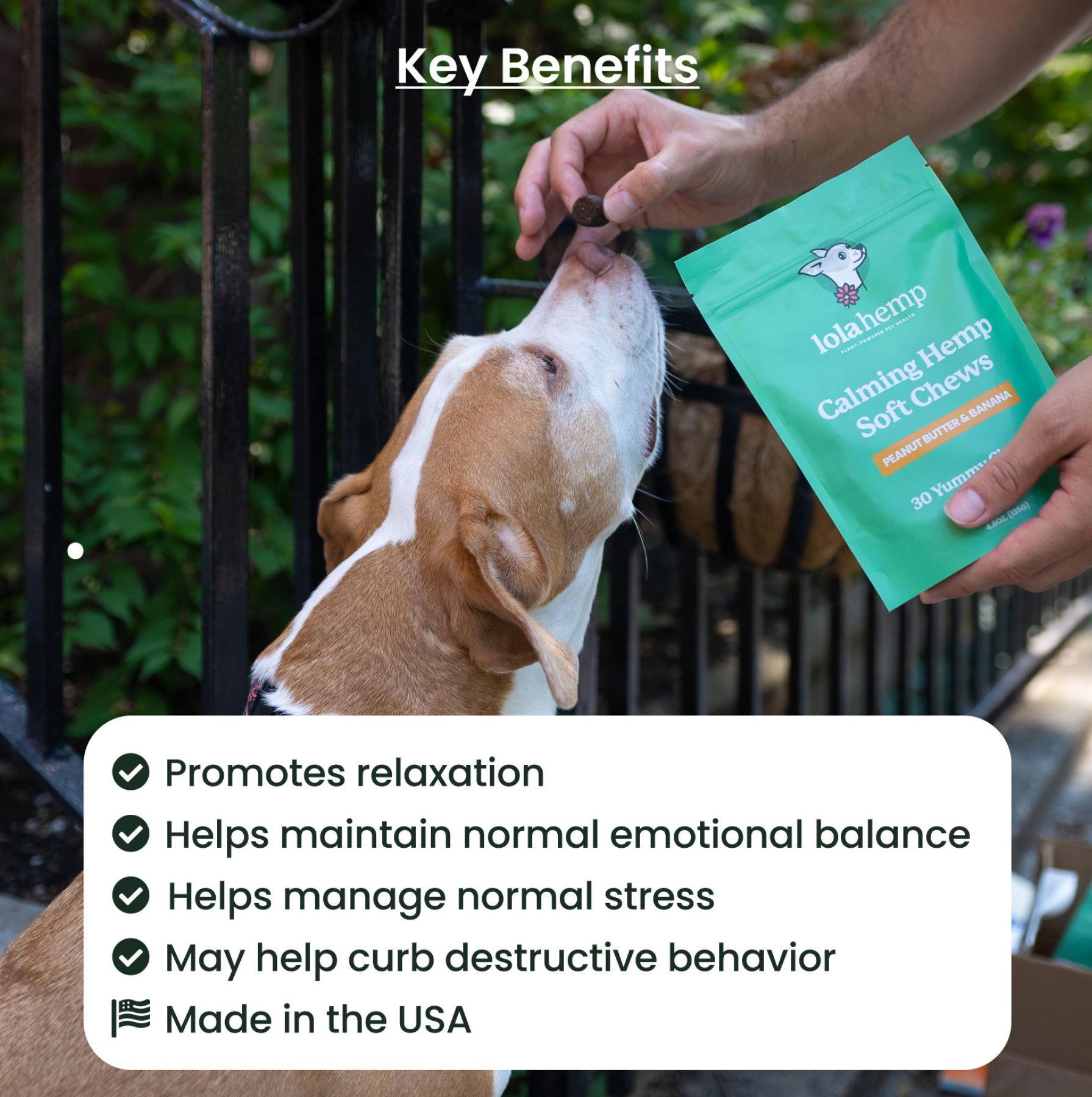
If your dog shows the same compulsive behavior in the same situations over and over (e.g., when you leave the house, during storms, after a stressful event, etc.), you may not need to panic, but you do need a plan if it's affecting their quality of life. You can work on your dog's anxiety with training, calming supplements, and environmental adjustments to reduce stress and give them a healthy outlet for their energy.
In cases where you can't diagnose the issue yourself, or there's repeated compulsive behavior with no apparent anxiety-related cause, you need to have the issue checked out by your veterinarian. Your dog is communicating something with you, and you'll need a veterinarian to determine what it is.
Conclusion
Dogs show compulsive behavior in response to stress, anxiety, boredom, frustration, and pain. In many cases, there's a clear source of anxiety or uncertainty, and these are understandable instances of canine behavior. If there's no apparent cause of the behavior, and it happens consistently, there's a chance it's pain-related and should be inspected by a veterinarian.
Frequently Asked Questions about Why is My Dog Showing Compulsive Behavior?
What counts as compulsive behavior in dogs?
Compulsive behavior is repetitive behavior that seems difficult to interrupt and may happen even when there's no clear trigger. Common examples include excessive licking, chewing, pacing, tail chasing, spinning, or staring and chasing lights or shadows. If it becomes frequent or interferes with your dog's daily life, it's worth investigating the cause.
Why is my dog licking or chewing themselves obsessively?
Excessive licking or chewing is often tied to discomfort, including allergies, skin irritation, fleas, hotspots, ear issues, or pain. It can also be stress-related, especially if it happens during stressful routines like being left alone. If you can't find an obvious cause, a vet visit is the best next step.
Why is my dog pacing back and forth?
Pacing is commonly caused by stress, anxiety, overstimulation, or a dog having too much pent-up energy. It can also happen with pain, GI discomfort, or in older dogs, age-related cognitive changes. If pacing is new, persistent, or paired with other symptoms, it should be evaluated by a veterinarian.
Why is my dog chasing their tail all the time?
Tail chasing can start as play or a response to boredom, but it can also be linked to anxiety, frustration, or irritation around the tail area. If your dog is doing it frequently, can't easily stop, or is injuring themselves, you should rule out medical causes and work on stress reduction.
Can compulsive behavior in dogs be caused by anxiety?
Yes. Anxiety is a common cause of compulsive behavior because repetitive actions can help dogs self-soothe. If your dog does it most often around triggers like storms, new environments, visitors, or being left alone, anxiety may be the main driver.
When should I take my dog to the vet for compulsive behavior?
Schedule a vet visit if the behavior is sudden, persistent, worsening, causing injury, or happening with no obvious stress trigger. You should also go if you notice other symptoms like limping, stiffness, appetite changes, vomiting, diarrhea, or sensitivity to touch. A veterinary exam is the best way to rule out pain or illness.