

Nutrition is one of the most controllable variables in a senior dog's health, and one that many owners don't revisit as their dog ages. The diet that worked well at three or four may not be the right fit at ten or eleven. Metabolism slows, muscle mass becomes harder to maintain, organ function changes, and certain nutrients become more important. Getting the diet right for a senior dog isn't complicated, but it does require paying attention to a few specific things.

How Nutritional Needs Change With Age
Calories. Most senior dogs need fewer calories than they did when younger, because their activity level and metabolic rate have declined. Feeding the same amount while your dog becomes less active is one of the most common causes of weight gain in older dogs — and excess weight compounds joint changes, cardiovascular load, and other age-related concerns. Some senior dogs trend the other way, losing weight as appetite declines or underlying health issues affect absorption. Monitoring body condition is the more reliable guide.
Protein. Most senior dogs benefit from higher — not lower — protein intake. Muscle mass declines naturally with age (a process called sarcopenia), and adequate protein is essential to slowing that decline. The exception is dogs with diagnosed kidney disease, where protein intake may need to be discussed with your vet. Unless kidney disease has been confirmed, keeping protein levels up is generally the right direction.
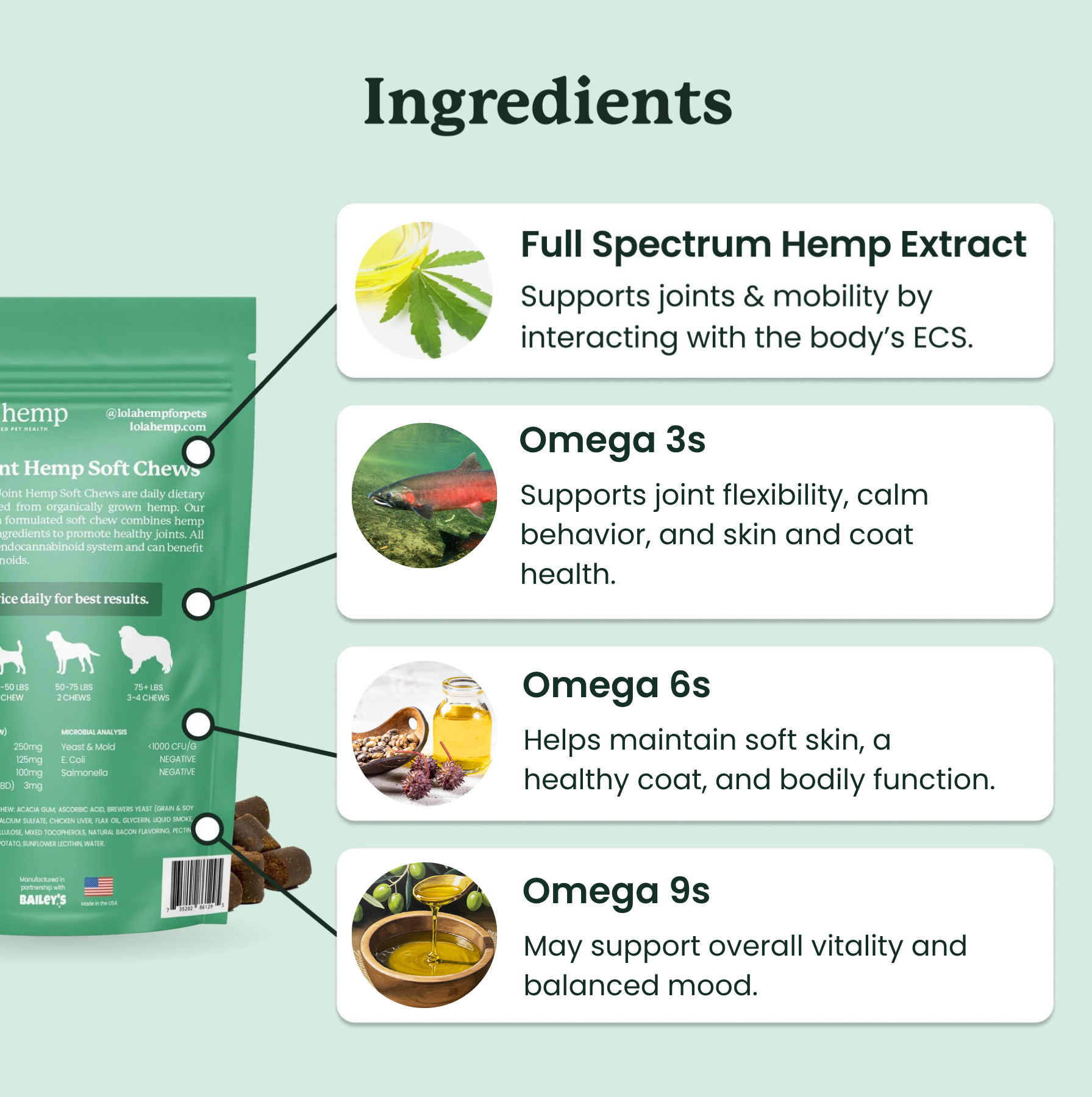
Key nutrients. Omega-3 fatty acids become more important with age, supporting joint comfort, brain health, skin condition, and cardiovascular function. Antioxidants — vitamins C and E, selenium — help counter oxidative stress, which increases as dogs age. Digestive support, including prebiotics and probiotics, can help maintain gut health as digestive efficiency declines.
Digestibility. Older dogs often absorb nutrients less efficiently than younger ones. This means the quality of ingredients matters more, not less, as dogs age. A diet with highly digestible protein sources and quality carbohydrates will serve a senior dog better than a cheaper option with the same nutrient profile on paper.

Senior Dog Food: Is It Worth It?
Pet food labeled "senior" isn't regulated to meet a specific nutritional standard — the label doesn't guarantee the food is actually formulated with aging dogs' needs in mind. Some senior formulas are genuinely well designed for older dogs. Others are simply lower-calorie versions of adult formulas with minor tweaks.
What to look for: a named protein source as the first ingredient, moderate to high protein content, added omega-3s (from fish oil or flaxseed), and ideally added joint support ingredients. Some senior dogs do better on a high-quality adult food than on a dedicated senior formula — particularly if the adult food has better protein content. The right choice depends on your dog's specific health picture, which is worth discussing with your vet.
Wet Food vs. Dry Food
Dry kibble supports dental health to some degree, but it's also low in moisture — which matters more for senior dogs, who are at higher risk of kidney issues and tend to drink less than is ideal. Adding wet food to a senior dog's diet, or mixing warm water into kibble, increases moisture intake and often improves palatability for dogs whose appetite has declined. For dogs with significant dental disease or tooth loss, wet food may simply be more comfortable to eat.
Meal Frequency and Portion Control
Two meals a day is generally better than one for senior dogs. Smaller, more frequent meals are easier on the digestive system and help maintain more stable energy levels throughout the day. Use the feeding guidelines on your dog's food as a starting point, then adjust based on body condition — you should be able to feel your dog's ribs without pressing hard, but not see them clearly. A body condition score of 4 to 5 on a 9-point scale is the target for most senior dogs.
Supplements Alongside Diet
Even a well-formulated senior diet may not deliver optimal amounts of every nutrient an aging dog needs. Targeted supplementation fills those gaps. The most useful additions for most senior dogs are omega-3 fatty acids (if not already high in the diet), joint support supplements for dogs showing mobility changes, and probiotics for digestive health.
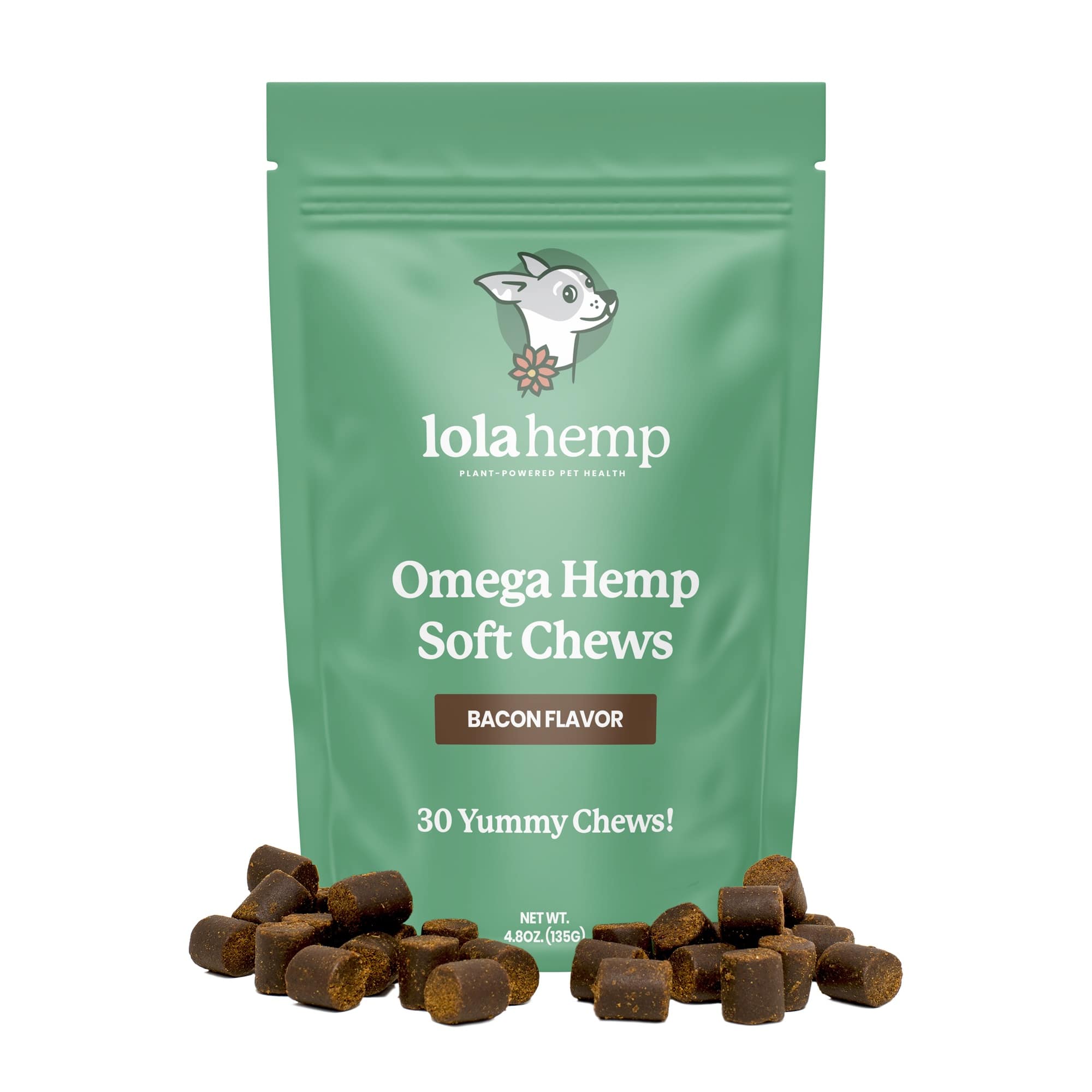
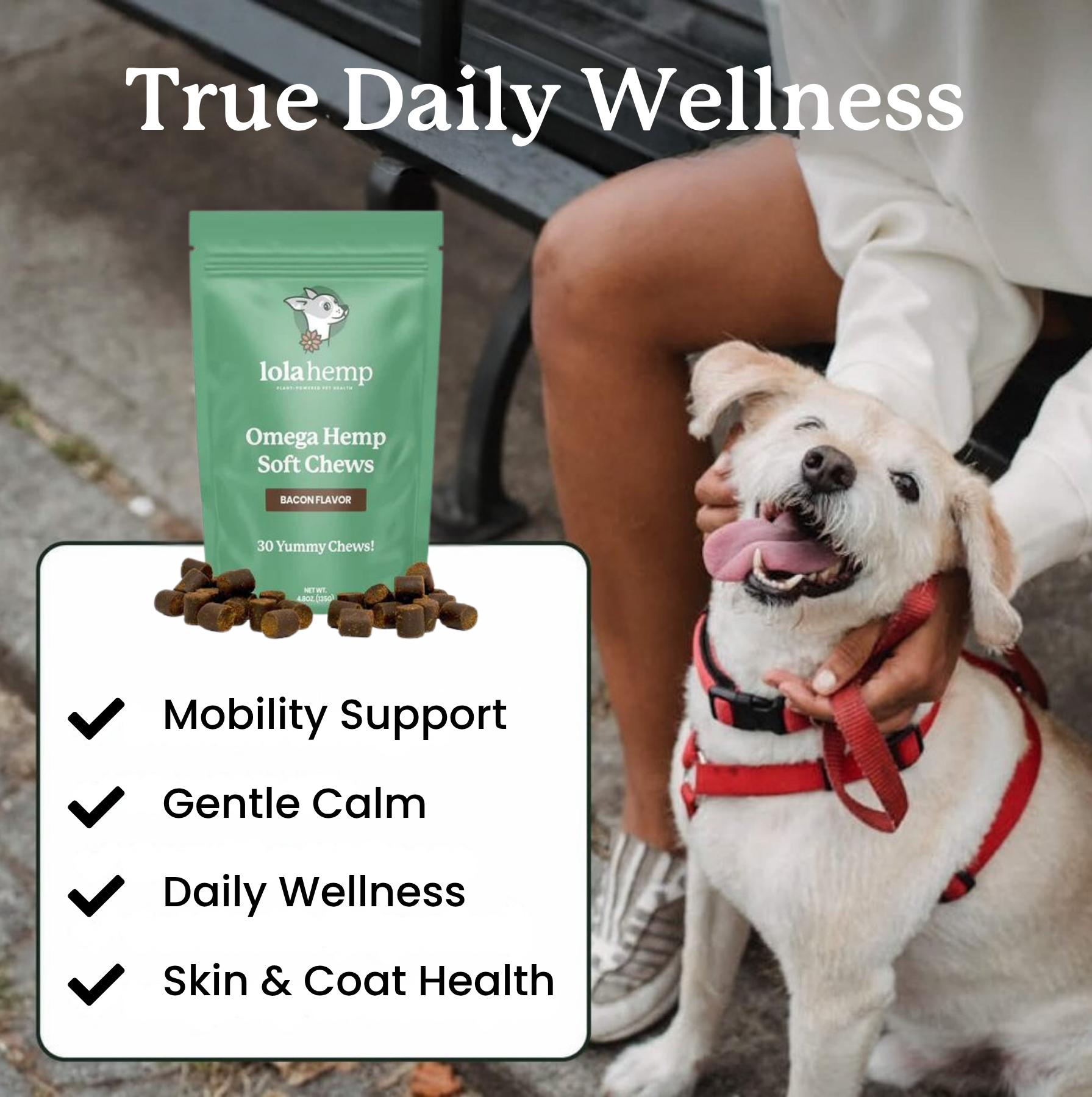
For dogs with noticeable joint stiffness or slowing down, Lolahemp's mobility supplements are formulated to help support normal joint function and everyday mobility in aging dogs — delivering joint-supporting ingredients that diet alone may not provide in sufficient amounts. Our guide to natural supplements for aging dogs with joint pain covers the specific ingredients and the evidence behind them.
Foods to Avoid in Senior Dogs
The list of foods toxic to dogs doesn't change with age, but senior dogs may be more vulnerable to their effects as organ function changes. Grapes and raisins, onions and garlic, xylitol, macadamia nuts, chocolate, and alcohol are all dangerous at any age. High-sodium table scraps are worth avoiding in senior dogs given the increased focus on kidney and cardiovascular health. Rich, fatty foods that a younger dog might tolerate without issue can trigger digestive upset more readily in older dogs. Keep treats within reason — no more than 10 percent of daily caloric intake.
When to Revisit the Diet
A senior dog's nutritional needs aren't static — they shift depending on what health issues emerge over time. Regular vet visits with bloodwork give you the information you need to make adjustments before problems become serious. If your dog's weight, coat condition, energy level, or digestive health changes noticeably, that's a prompt to revisit what they're eating. For a broader look at supporting your dog through aging, the complete guide to senior dog health covers the full picture.
Frequently Asked Questions
Should senior dogs eat less protein?
Generally no — most senior dogs benefit from maintaining or increasing protein intake to help support muscle mass, which naturally declines with age. The exception is dogs with diagnosed kidney disease, where your vet may recommend adjustments. For healthy senior dogs, adequate protein is important.
How do I know if my senior dog is at a healthy weight?
You should be able to feel your dog's ribs without pressing hard, but not see them clearly from above. A slight waist visible from above and a slight abdominal tuck from the side are signs of a healthy body condition. Your vet can assign a formal body condition score at your next visit if you're unsure.
Is senior dog food actually better for older dogs?
Not necessarily. "Senior" on a label isn't regulated to a specific nutritional standard. Some senior formulas are genuinely well designed for older dogs; others are simply lower-calorie adult foods with minor tweaks. Evaluating the ingredient list and nutrient profile matters more than the label.
How often should I feed my senior dog?
Two meals a day is generally recommended. Smaller, more frequent meals are easier on the digestive system and can help maintain more stable energy throughout the day. Dogs with a reduced appetite may also find two smaller meals more manageable than one large one.
Can I give my senior dog the same food I've always fed them?
It depends on the food and your dog's current health. If it's a high-quality diet and your dog is maintaining healthy weight and good overall condition, it may still be appropriate. A conversation with your vet about whether the current diet still fits is worthwhile as your dog enters their senior years.
Sources
Laflamme (2005) — Nutrition for Aging Cats and Dogs and the Importance of Body Condition (PubMed)
Freeman et al. (2011) — Nutritional Recommendations for Dogs and Cats with Common Diseases (JAVMA)


