

Joint changes are one of the most common issues senior dogs face, and for many owners the question quickly becomes: what can I actually do about it? Prescription medications have their place, but they come with considerations that make long-term use a real conversation — particularly for dogs with kidney or liver concerns. Natural supplements have become a meaningful part of how many owners support their senior dog's joint health, often alongside or in between veterinary care.
This is a breakdown of the supplements with the most evidence behind them, what they actually do, and how to think about using them.



Glucosamine and Chondroitin
These two are almost always discussed together because they work synergistically. Glucosamine is a compound the body uses to build and maintain cartilage — the cushioning between joints. Chondroitin helps cartilage retain water and resist compression. Both occur naturally in the body but production declines with age, which is part of why joints change over time.
Supplementing with glucosamine and chondroitin won't reverse existing changes, but there's reasonable evidence they can support joint health and help maintain normal joint function. Studies in dogs have shown improvements in mobility scores with regular use. They're generally considered safe for long-term use, which matters when you're supporting a chronic condition.
Results are gradual — most owners report noticeable changes after four to eight weeks of consistent supplementation, not days.

Omega-3 Fatty Acids (Fish Oil)
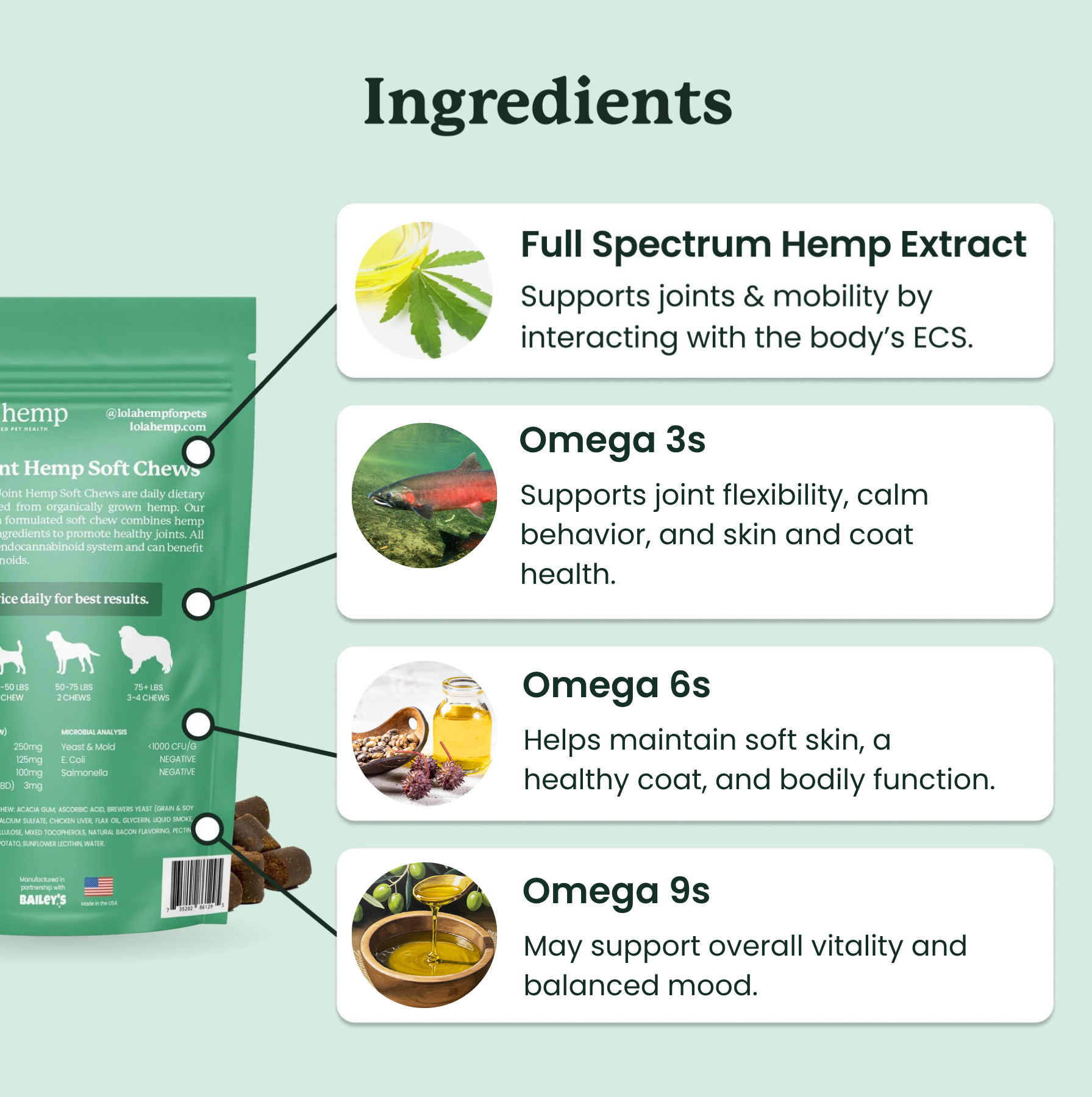
Omega-3s, particularly EPA and DHA found in fish oil, are among the most studied for helping support a normal inflammatory response. For dogs with joint changes, this is directly relevant — normal inflammatory function is closely tied to joint comfort and mobility.
A study published in the Journal of the American Veterinary Medical Association found that dogs with osteoarthritis who received fish oil supplementation showed significant improvements in weight-bearing and overall mobility compared to a control group. Beyond joints, omega-3s also support brain health, skin and coat condition, and cardiovascular function — all relevant for senior dogs.
Dosing matters with fish oil. Too little and you won't see results; too much can cause digestive issues. Your vet can give you a weight-appropriate dose, but most guidelines land around 20–55mg of EPA and DHA combined per pound of body weight daily.
CBD Oil
CBD (cannabidiol) has become one of the more widely discussed supplements for senior dogs, and the research is growing. A 2018 study from Cornell University found that dogs with osteoarthritis who received CBD oil showed significant improvements in mobility scores compared to placebo, with no observable side effects.
CBD works through the endocannabinoid system, which plays a role in regulating normal body function. For dogs with joint-related changes, it's increasingly being used as part of a broader daily wellness routine — often alongside glucosamine or omega-3s rather than as a standalone approach.
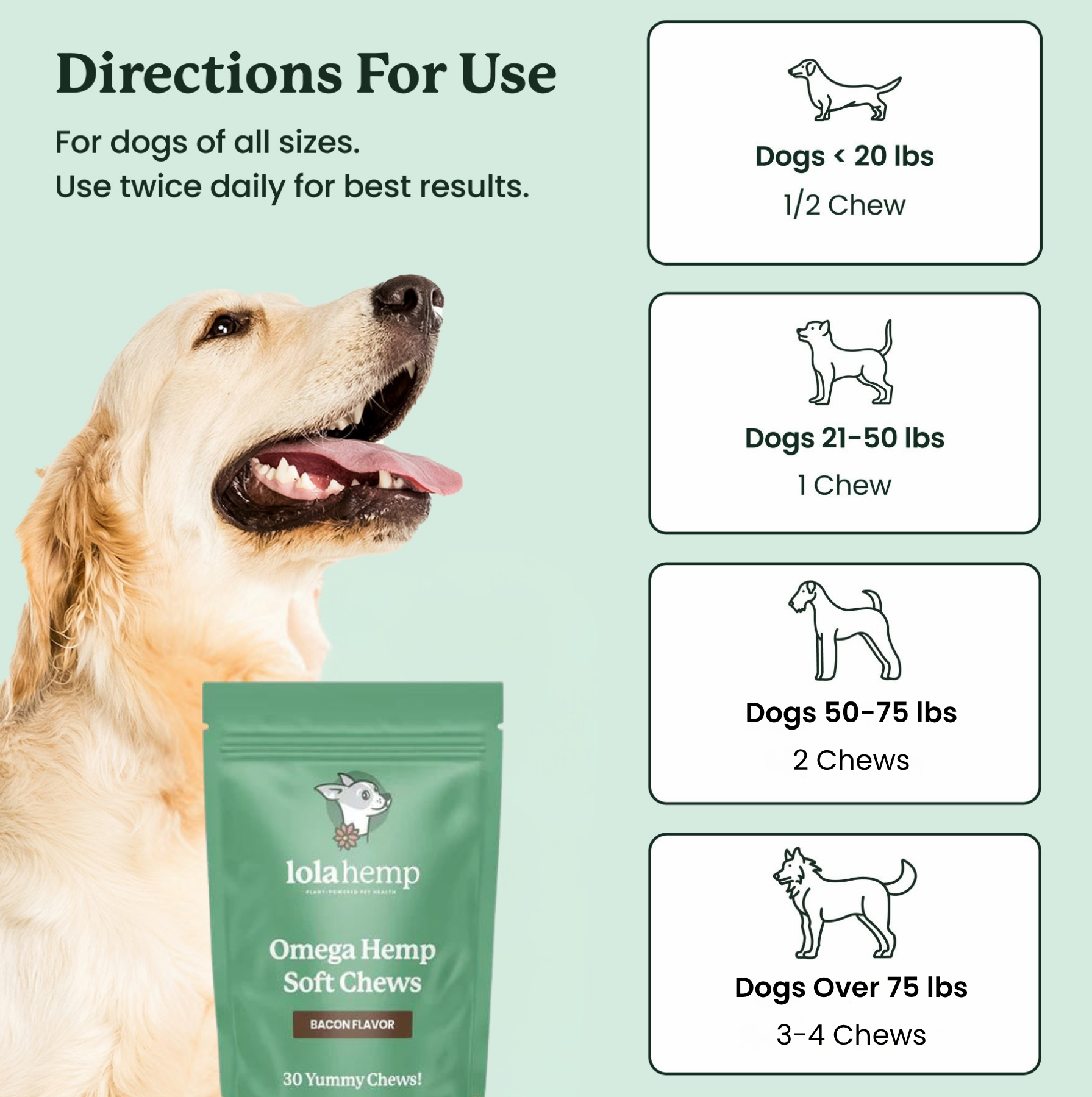
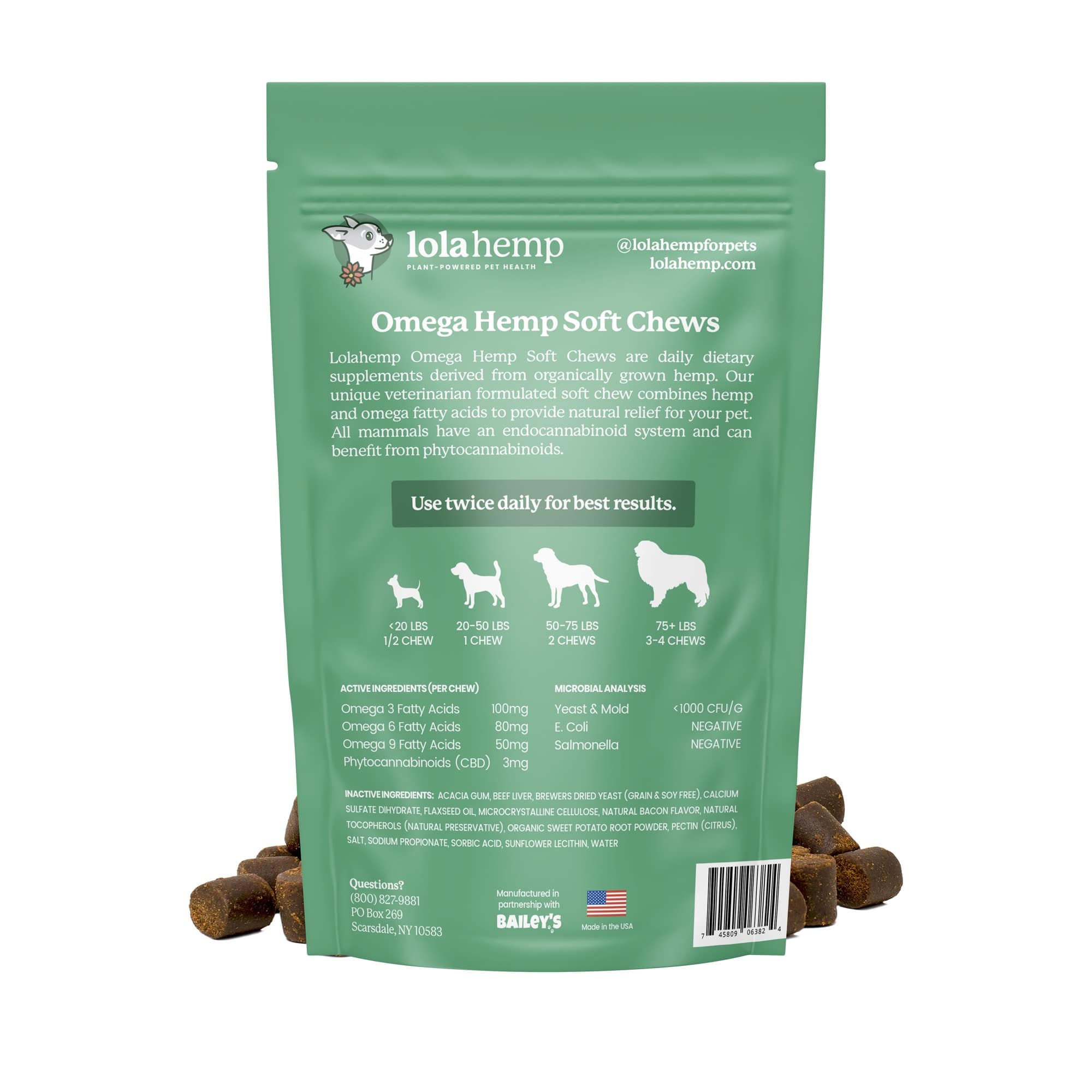
Quality varies significantly between products. If you're considering CBD for your dog's joints, look for products specifically formulated for pets, using hemp-derived CBD, with third-party lab testing available. Lolahemp's mobility supplements are formulated to help support normal joint function and everyday mobility in aging dogs, and combine CBD with complementary joint-supporting ingredients.
Turmeric and Curcumin
Turmeric's active compound, curcumin, has been studied for its potential to help support a normal inflammatory response and has growing evidence in veterinary applications. Its main limitation is bioavailability — curcumin isn't well absorbed on its own. Products that combine curcumin with piperine (black pepper extract) or use liposomal formulations absorb significantly better.
For dogs with mild to moderate joint changes, turmeric can be a useful addition to a supplement routine. It's generally considered safe, though high doses can cause digestive upset and it may interact with blood thinners, which is worth flagging with your vet if your dog is on any medication.
Green-Lipped Mussel
Green-lipped mussel (Perna canaliculus), native to New Zealand, is one of the more interesting supplements in this category because it contains a combination of omega-3 fatty acids, glucosamine, chondroitin, and antioxidants in a single whole-food source. Several studies have shown meaningful support for joint health in dogs supplemented with green-lipped mussel powder.
It tends to be well tolerated and is increasingly included in commercial joint supplements as a foundational ingredient.
How to Approach Supplementation
Start one supplement at a time. If you introduce everything at once and something helps — or causes an issue — you won't know what's responsible. Give each supplement four to six weeks before evaluating and adding another.
Tell your vet what you're giving. Natural doesn't automatically mean free of interactions. Some supplements affect how medications are processed. Your vet needs the full picture.
Supplements work best as part of a broader approach. They're most effective when combined with appropriate exercise, weight management, environmental modifications, and regular veterinary monitoring.
Be consistent. Joint supplements in particular require sustained use to show results. Giving them intermittently undermines their effectiveness.
If your dog is showing signs of joint changes and you're not sure what you're looking at, our guide on how to tell if your senior dog is in pain covers the key signals to watch for. For a full overview of senior dog health beyond just joint support, see our complete guide to senior dog health.
Frequently Asked Questions
What is the best supplement for aging dogs with joint issues?
Glucosamine and chondroitin are the most established starting point, with good evidence for supporting normal joint function. Omega-3 fatty acids (fish oil) are a strong complement. CBD is a more recent area of research with promising early findings. Many owners find that a combination approach works better than any single ingredient alone.
How long does it take for joint supplements to work in dogs?
Most joint supplements require four to eight weeks of consistent use before owners notice meaningful changes. Unlike medications, they work gradually by supporting the joint environment over time rather than producing an immediate effect.
Is fish oil good for dogs with joint issues?
Yes — omega-3 fatty acids from fish oil are among the most studied supplements for supporting normal joint function and mobility in dogs. Research including a JAVMA study has shown meaningful improvements in mobility in dogs receiving fish oil supplementation.
Can I give my dog turmeric for joint health?
Turmeric (curcumin) has been studied for its potential to help support a normal inflammatory response. It can be a useful addition, but bioavailability is a limiting factor — products that include piperine (black pepper extract) absorb better. Always check with your vet if your dog is on any medication, as interactions are possible.
Is CBD safe for senior dogs with joint issues?
Research including a 2018 Cornell University study has shown CBD to be well tolerated in dogs and associated with improvements in mobility scores. Look for hemp-derived CBD products formulated specifically for pets, with third-party lab testing to verify quality.
Sources
Gamble et al. (2018) — Pharmacokinetics, Safety, and Clinical Efficacy of Cannabidiol in Osteoarthritic Dogs (Frontiers in Veterinary Science)
Roush et al. (2010) — Evaluation of the Effects of Omega-3 Fatty Acids on Dogs with Osteoarthritis (JAVMA)
Vandeweerd et al. (2012) — Systematic Review of Efficacy of Nutraceuticals for Osteoarthritis in Dogs (PMC)


