

There's no single picture of what aging well looks like in a dog — it varies by size, breed, and individual health history. But there are reliable indicators that tell you whether your senior dog is moving through their later years in good shape, and others that signal it's time to look more closely at what's going on. Learning to read the difference is one of the most useful things you can do as an owner of an older dog.

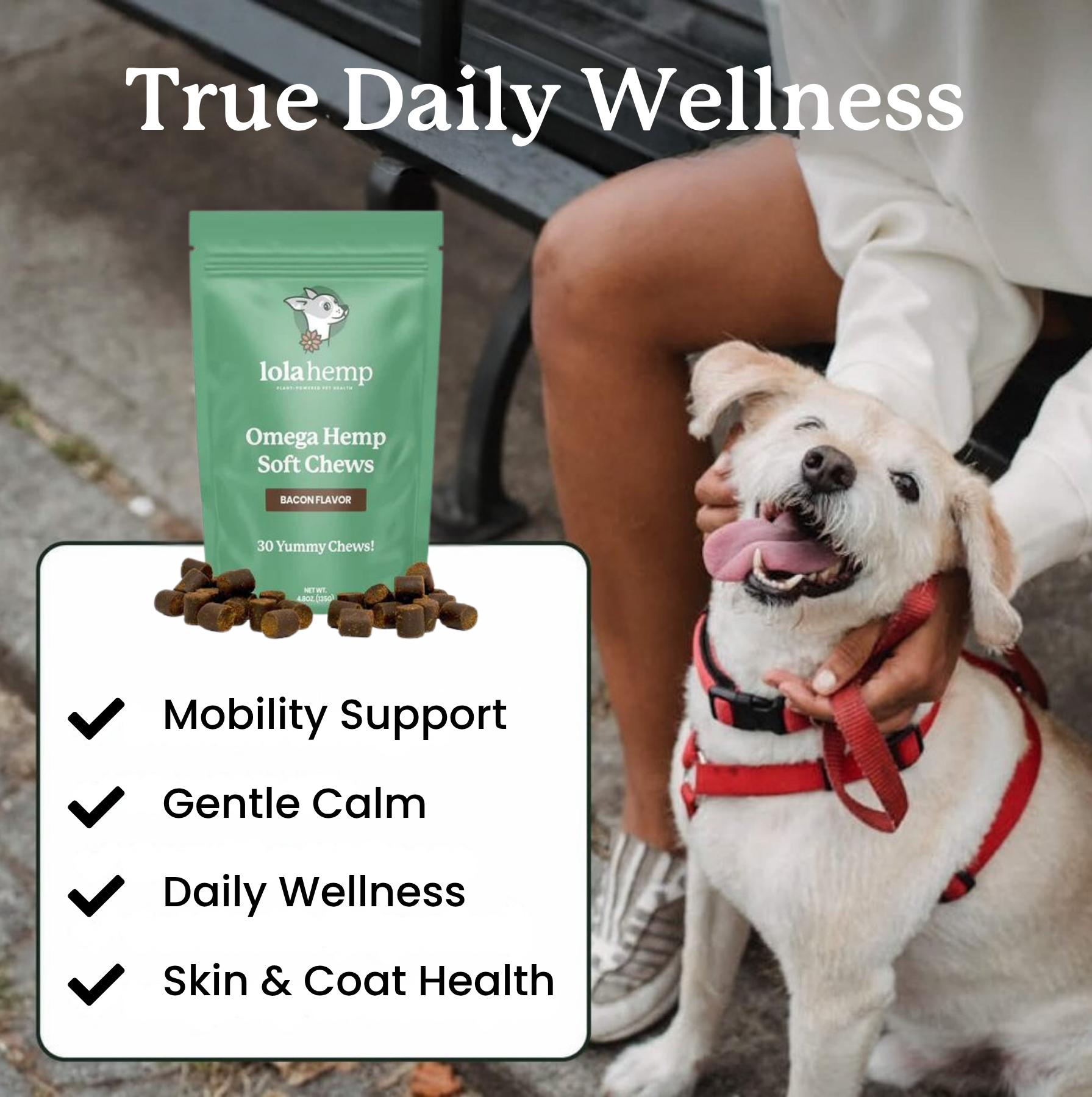
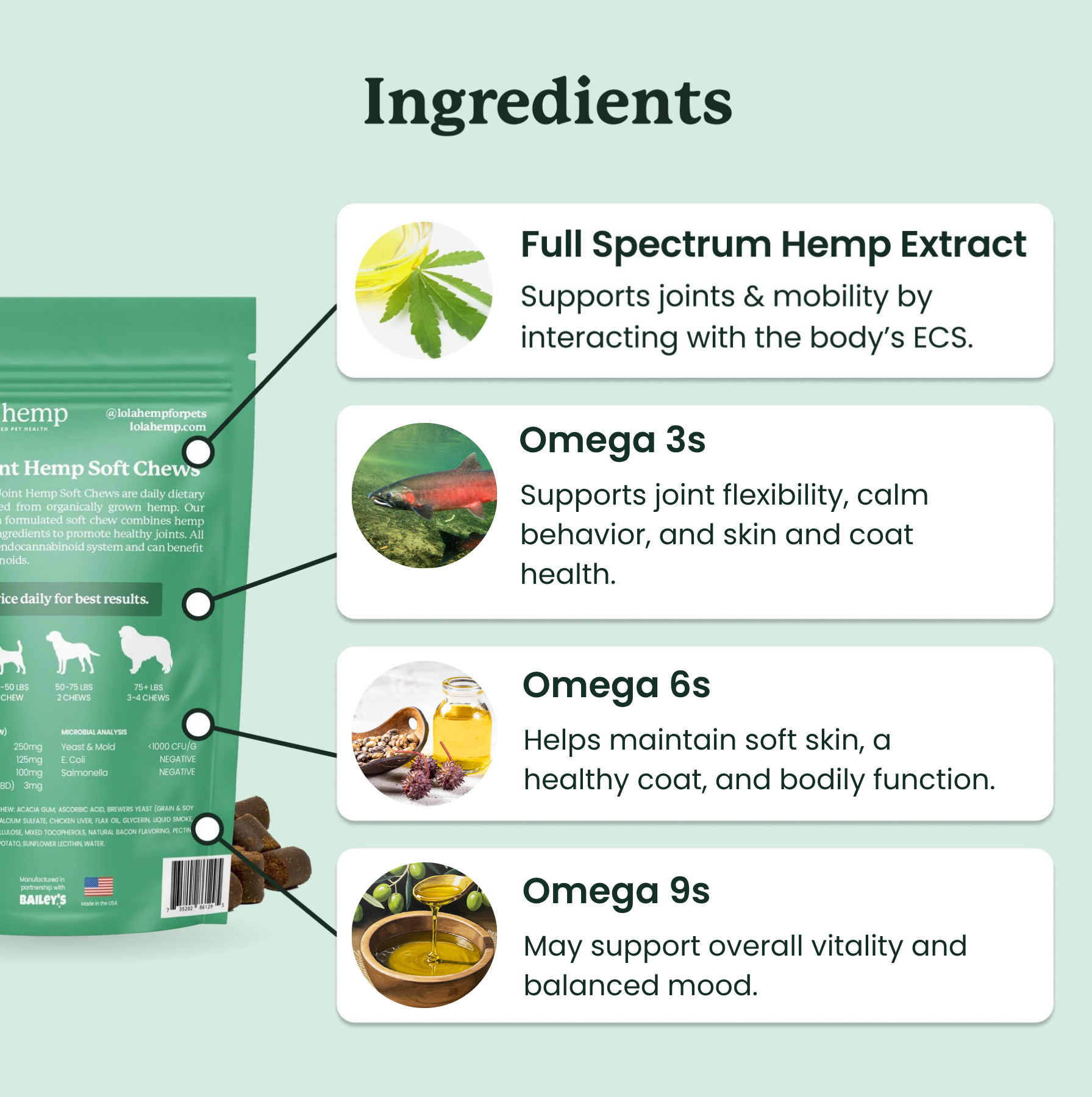

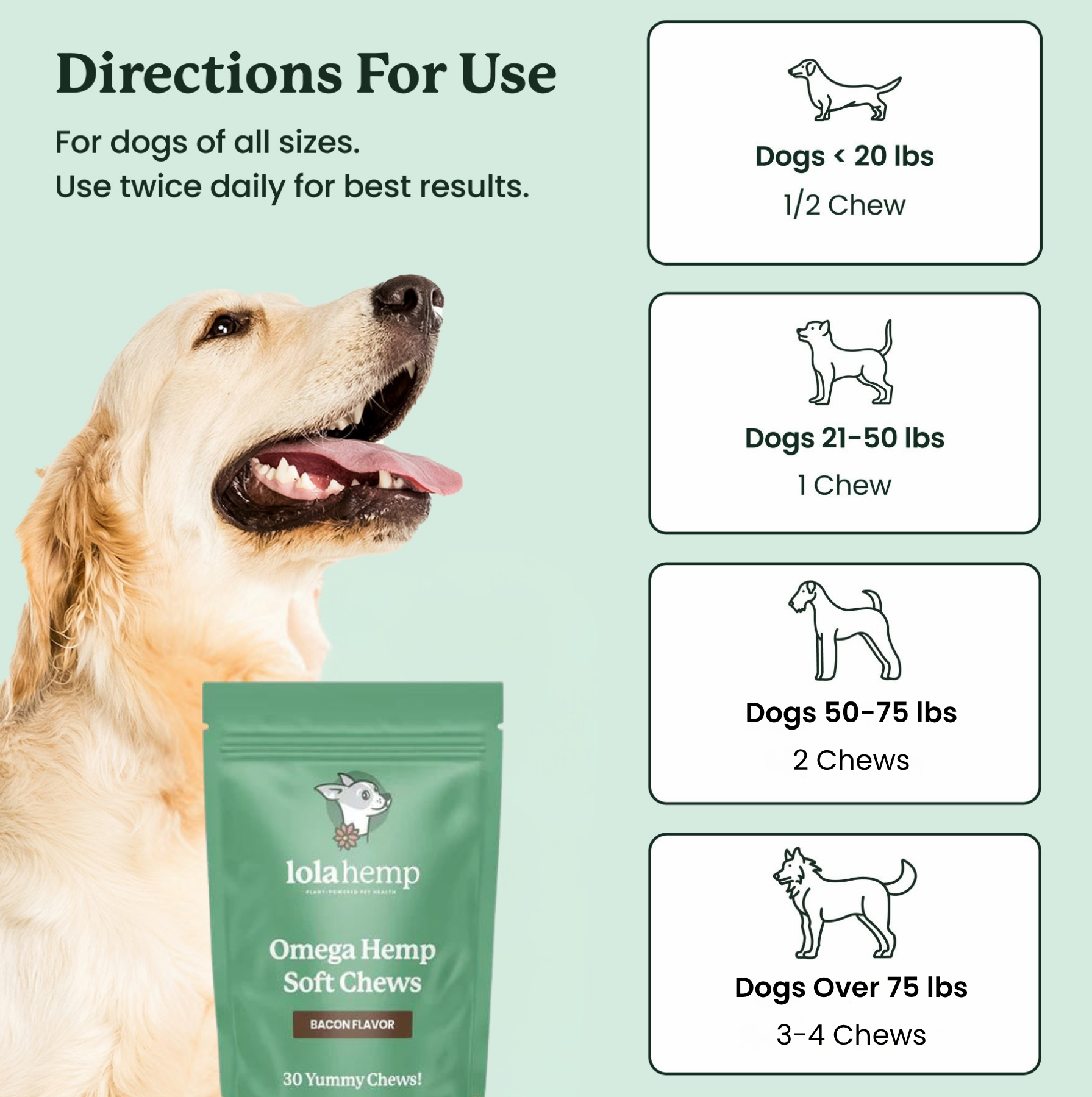
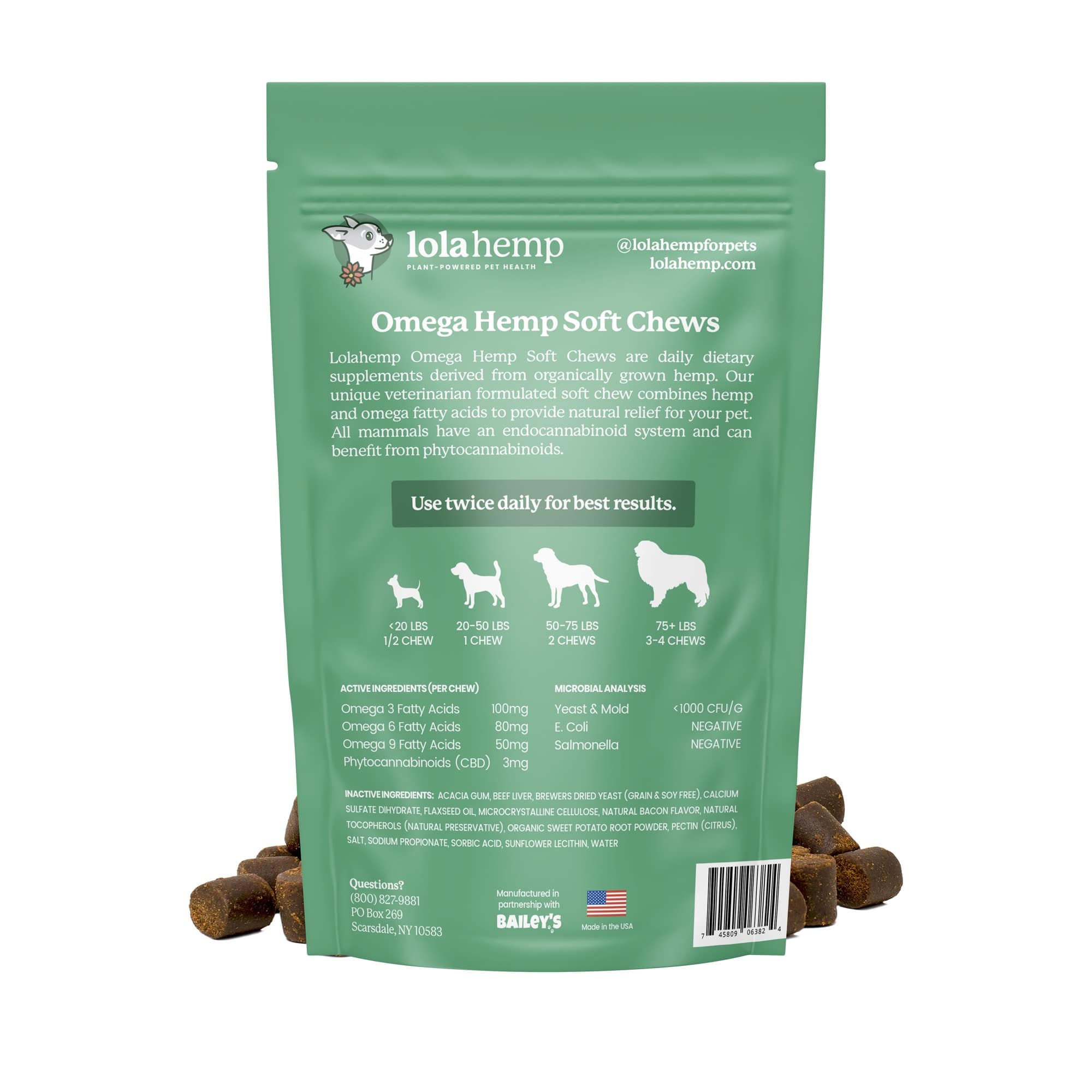
Signs Your Dog Is Aging Well
Stable, appropriate weight. A dog maintaining a consistent, healthy body weight — one where you can feel the ribs without pressing hard but can't see them clearly — is one of the clearest indicators of good overall health. Weight that holds steady over months suggests that metabolism, appetite, and digestion are all functioning reasonably well.
Consistent appetite. A senior dog that eats with reliable interest, finishes their meals, and maintains enthusiasm for food is generally in decent health. Appetite is one of the earlier things to change when something is wrong — a dog that's suddenly less interested in food, or that has become dramatically more food-focused than usual, is worth paying attention to.
Good coat and skin condition. A healthy coat — reasonably soft, not excessively dry or brittle, free from significant hair loss or skin irritation — reflects good nutritional status and baseline organ function. Some thinning of the coat is normal with age, but dramatic changes in coat quality often point to thyroid issues, nutritional deficiencies, or other systemic concerns.
Clear eyes and regular drinking habits. Eyes that are bright and reasonably clear, without significant discharge beyond the normal cloudiness that comes with age, are a positive sign. Drinking habits that are consistent — not dramatically increased or decreased — suggest kidney function and blood sugar regulation are in reasonable shape.
Moving comfortably for their age. A ten-year-old large breed dog isn't going to move like they did at three, and that's expected. What healthy aging looks like in terms of mobility is a dog that gets up without significant struggle, walks without persistent limping, and engages in some level of activity without appearing uncomfortable afterward. Some slowing is normal. Reluctance to move, stiffness that doesn't resolve with gentle activity, or consistent favoring of a limb is a different story.
Mental engagement. A dog that's still curious about their environment, responsive to familiar people, interested in what's happening around them, and able to follow cues and routines they've long known is showing good cognitive health for their age. Full sharpness isn't the bar — some reduction in responsiveness is normal. What you're looking for is basic engagement and awareness rather than frequent confusion or disorientation.
Sleeping well. A senior dog that sleeps more than they did when younger but settles comfortably and wakes up reasonably refreshed is aging normally. Sleep patterns that are dramatically disrupted — pacing at night, inability to settle, or sleeping almost continuously through the day — are worth discussing with your vet.

Signs Your Dog May Need More Support
Unexplained weight changes. Weight gain that doesn't correspond to a change in diet or activity suggests a metabolic shift worth investigating — hypothyroidism and Cushing's disease are both common in older dogs and affect weight regulation. Unexplained weight loss is more immediately concerning and warrants prompt veterinary attention.
Increased thirst and urination. Drinking noticeably more water and urinating more frequently is one of the more reliable early signals for kidney changes, blood sugar regulation issues, Cushing's disease, and certain infections. It's easy to overlook because it seems like a minor behavioral change, but it consistently shows up as an early indicator of conditions that are much more manageable when caught early.
Persistent stiffness or mobility changes. A dog that takes a long time to loosen up after rest, that hesitates at stairs, or that's visibly uncomfortable after walks they used to handle easily is likely dealing with joint changes that could benefit from more active support. Our guide to how to tell if your senior dog is in pain covers what to watch for in detail, and Lolahemp's mobility supplements are formulated to help support normal joint function and everyday mobility in aging dogs.
Changes in cognition or behavior. Getting stuck in corners, staring at walls, forgetting routines, house soiling without apparent physical cause, or a marked change in how your dog interacts with familiar people are all signs of possible cognitive changes. Our post on dog dementia signs, stages, and how to help covers what to look for and what can be done.
Dental changes. Bad breath that's gotten noticeably worse, reluctance to chew, pawing at the mouth, or dropping food while eating all suggest dental disease that's progressed to a point of discomfort. Dental changes affect appetite, sleep, and overall quality of life, and are often significantly undertreated in senior dogs.
New lumps or changes in the body. New lumps under the skin, changes to existing lumps, or any growth that appears suddenly warrants a vet visit. Most lumps in older dogs are benign — lipomas and skin tags are common — but some are not, and the only way to know is to have them evaluated. Running your hands along your dog's body regularly gives you a baseline to notice changes against.
Breathing changes. Coughing that's new or worsening, labored breathing at rest, or exercise intolerance that's appeared suddenly can reflect heart or lung changes that are common in older dogs and benefit significantly from early attention.
The Role of Regular Monitoring
The difference between catching something early and dealing with it late often comes down to how closely you're paying attention. Senior dogs benefit from twice-yearly vet visits rather than annual ones — a lot can change in six months, and bloodwork at those visits catches shifts in organ function and other markers before they become crises.
Between visits, informal at-home check-ins are valuable. A few minutes once a month running your hands along your dog's body, checking their mouth, watching how they get up and move, and noting whether their appetite and water intake seem consistent gives you the kind of baseline awareness that makes changes obvious when they appear.
Aging well in dogs isn't about the absence of any change — it's about changes that are gradual, manageable, and met with appropriate support. For an overview of everything covered in this cluster — mobility, cognitive health, nutrition, and more — the complete guide to senior dog health is the right place to start.
Frequently Asked Questions
How do I know if my senior dog is healthy?
Key signs of healthy aging include stable weight, consistent appetite, good coat condition, comfortable mobility for their age, and mental engagement with their environment. Regular vet visits with bloodwork give you the most complete picture — many conditions that affect senior dogs are detectable through lab work before they show obvious symptoms.
What are the first signs of aging in dogs?
The earliest signs are often subtle — a little more time getting up from rest, slightly less enthusiasm for play, some graying around the muzzle. More specific early signs worth watching for include changes in drinking habits, weight shifts without a change in diet, and any new lumps or skin changes.
Is my senior dog in pain if they're slowing down?
Not necessarily, but it's worth investigating. Some slowing is a normal part of aging. But slowing that's accompanied by stiffness, reluctance to move, or changes in how your dog gets up and lies down often reflects joint changes rather than simple aging. A vet assessment that includes a physical evaluation gives you a clearer answer than observation alone.
How often should a senior dog see the vet?
Most veterinarians recommend twice-yearly visits for dogs over 7 or 8. Senior wellness exams typically include bloodwork and a more thorough physical assessment than a standard annual visit. Twice-yearly monitoring catches changes in organ function, weight, and other health markers early enough to act on them meaningfully.
What supplements help senior dogs age well?
The most studied options for general senior dog health are omega-3 fatty acids for joint, brain, and cardiovascular support; glucosamine and chondroitin for joint maintenance; and antioxidants for cellular health. For dogs showing mobility changes specifically, dedicated joint support supplements may help maintain normal joint function and deliver meaningful amounts of these ingredients.
Sources
American Veterinary Medical Association — Senior Pet Care
Laflamme (2005) — Nutrition for Aging Cats and Dogs and the Importance of Body Condition (PubMed)


