

You're a few days into this and you're not okay. Maybe you're crying in the bathroom while your new dog paces the hallway. Maybe you're lying awake at 3am Googling "is it too late to return a rescue dog" and feeling like a monster for even typing it. Maybe you just feel a hollow, sinking dread that this was a terrible mistake.
You are not a bad person. And you are not alone.
Post-adoption blues are real, common, and almost never talked about — because who wants to admit they're struggling with something they chose, something they were excited about, something that was supposed to be a happy thing? But the gap between what people expect adoption to feel like and what it actually feels like in week one can be enormous. And it deserves to be named.
Related product


What Post-Adoption Blues Actually Is
Post-adoption blues is the grief, anxiety, doubt, and overwhelm that many new dog owners experience shortly after bringing a rescue home. It's not a clinical diagnosis. It's just an honest description of what happens when reality collides with expectation at high speed.
It can show up as:
- Intense regret or the urge to return the dog
- Resentment toward the dog for disrupting your life
- Guilt about feeling any of the above
- Anxiety that you've made an irreversible mistake
- Grief for your old, simpler life
- A complete absence of the love and connection you expected to feel immediately
That last one is particularly hard. We expect to fall in love. When we don't — when instead we feel burdened, stressed, or just numb — it can feel like confirmation that something is wrong with us or with the match.
Usually, neither is true.
Why the First Week Can Feel So Brutal
A few things are colliding at once:
- Your dog isn't themselves yet. A stressed, shut-down, or anxious rescue dog in week one is not who your dog will be. You haven't met each other yet, not really. The connection people describe — that deep bond — takes time to build, and it can't be rushed.
- The responsibility is real and relentless. Dogs need things constantly. Food, walks, attention, management, training. Before the love fully kicks in, that can feel exhausting and even suffocating.
- Your life has genuinely changed. Grieving your old freedom isn't wrong. It's honest. Acknowledging the loss doesn't mean you made a mistake — it means you're paying attention.
- You're probably not sleeping. Sleep deprivation alone can make almost anything feel unsurvivable. If your dog isn't settling at night, the first week of broken sleep can push anyone to their limit.
Post-Adoption Blues vs. a Genuinely Bad Match
This is the question underneath the question. Here's an honest distinction:
Post-adoption blues usually looks like:
- Feeling overwhelmed, exhausted, or disconnected — but no specific dealbreaker behavior
- Dread that's tied to the adjustment period, not a specific persistent problem
- Feelings that fluctuate — moments of connection, then crashing back to doubt
A potentially genuine mismatch looks more like:
- Significant safety concerns — aggression toward children, other pets, or people in the home
- A dog whose needs are objectively beyond what your life can support (severe separation anxiety in a household where someone can never be home, for example)
- Specific, concrete incompatibilities — not just hard feelings
If it's the first category, give it time. Most people who white-knuckle through the first two to four weeks describe a turning point they couldn't have predicted — a quiet moment, a small gesture from the dog, something that shifts.
If it's the second, that's a different conversation — and it doesn't make you a bad person either. Responsible rehoming, when it's truly necessary, is a kindness.
What to Do When You're in the Thick of It
- Lower your expectations aggressively. You don't have to love your dog yet. You just have to take care of them. That's enough for right now.
- Stop Googling at 2am. The spiral gets worse, not better. Nothing helpful happens at 2am.
- Talk to someone who gets it. Not someone who will make you feel worse. There are communities of people who've been exactly where you are — r/dogs, r/rescuedogs, adoption forums — full of people who cried in their cars in week one and now can't imagine life without their dog.
- Focus on the routine, not the relationship. The bond follows the structure. Walk, feed, sit quietly near each other. Let it build without forcing it.
- Give it a specific amount of time before making any decisions. Most rescue advocates suggest committing to at least two weeks before drawing any conclusions. Some suggest a month. Pick a window and hold to it.
When Does It Get Better?
For most people: sooner than it feels like it will. The shift often happens somewhere in the two-to-four week range, though it doesn't always arrive on a schedule. What changes isn't usually one dramatic moment — it's a slow accumulation of small ones. The dog sits next to you without being asked. They finally eat their whole bowl. They look at you differently.
Understanding the broader adjustment timeline your dog is going through — and what's normal at each stage — is covered in depth in the complete guide to rescue dog anxiety.
One Thing That Can Help in the Meantime
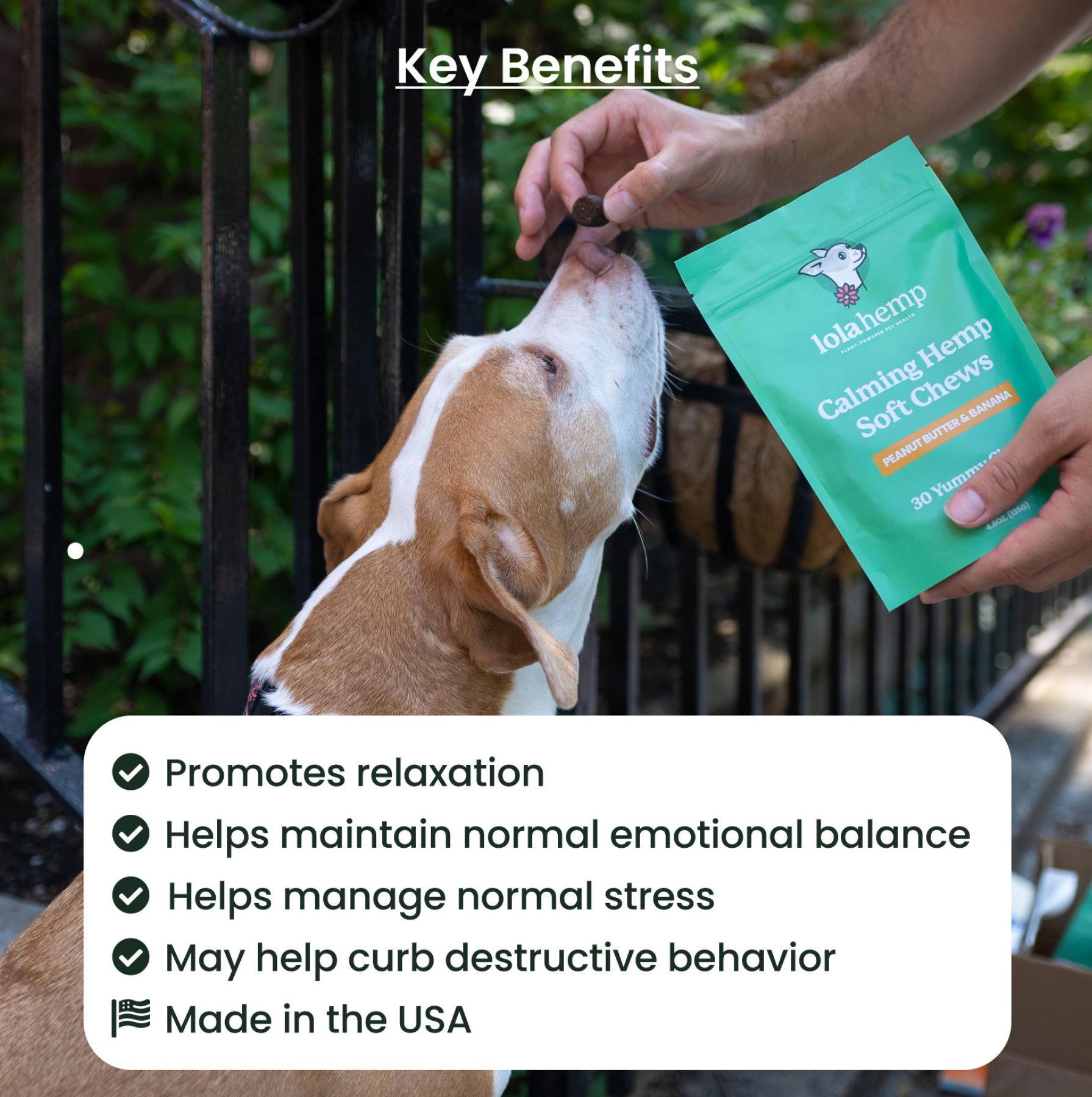
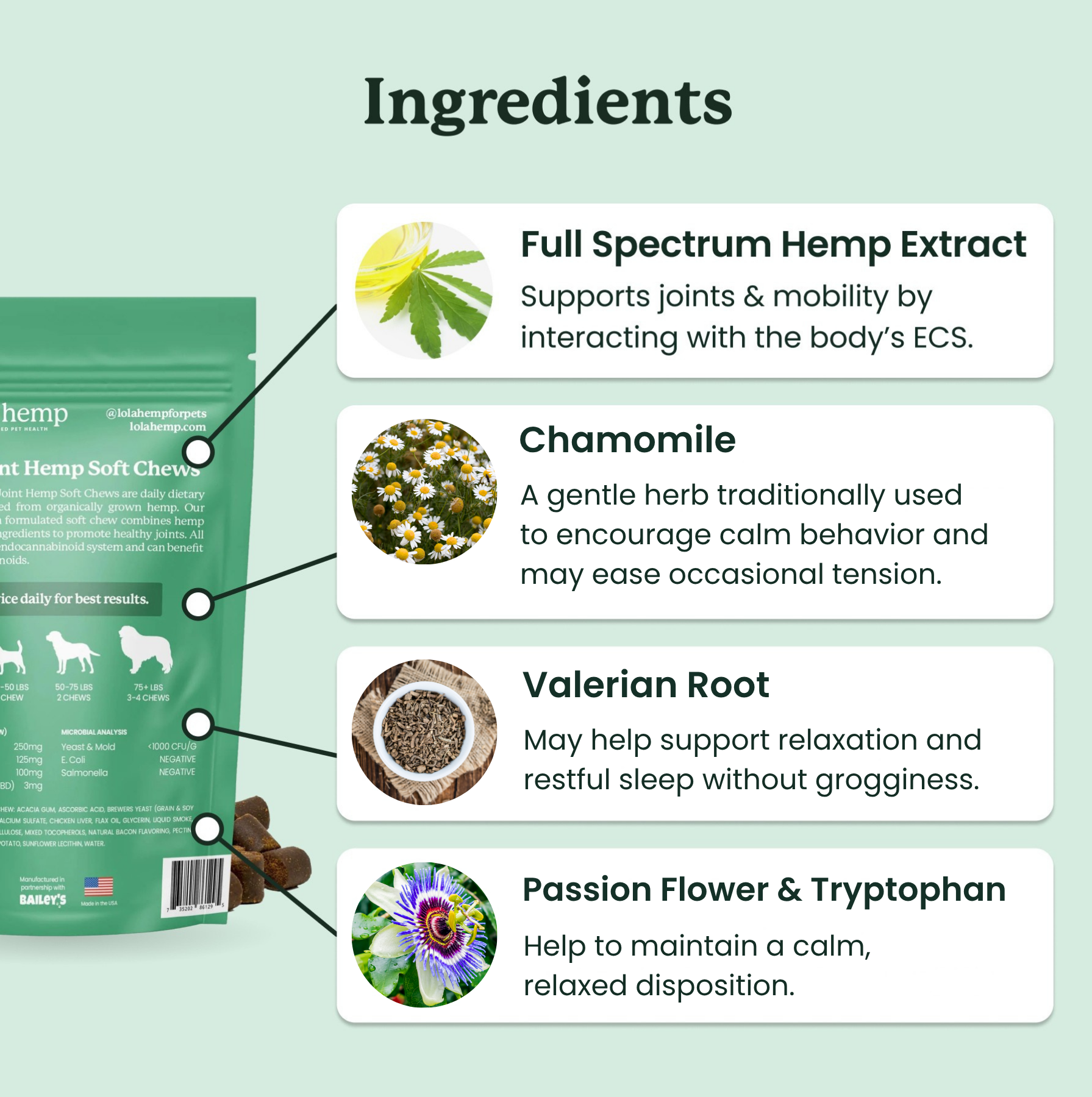
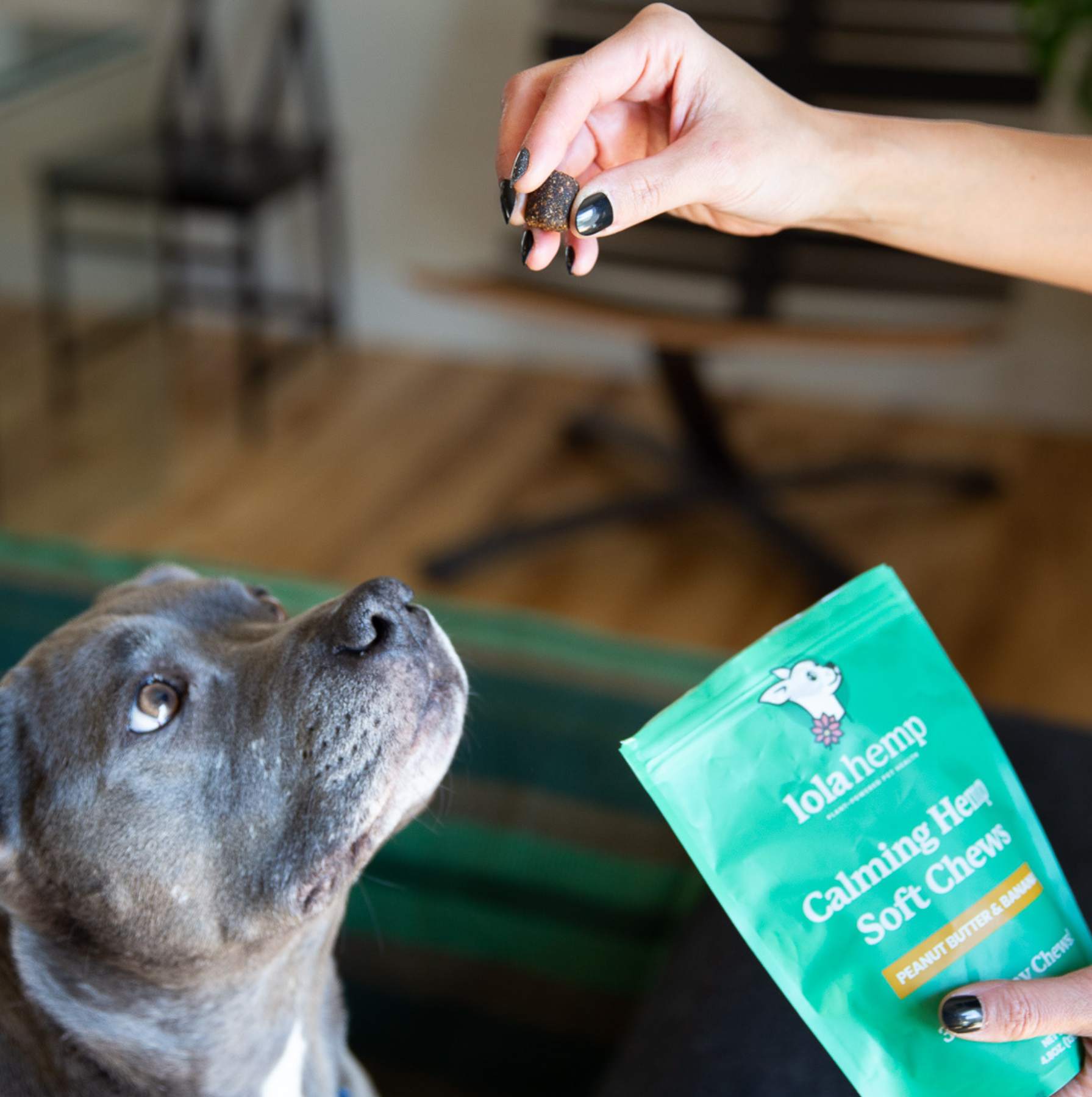
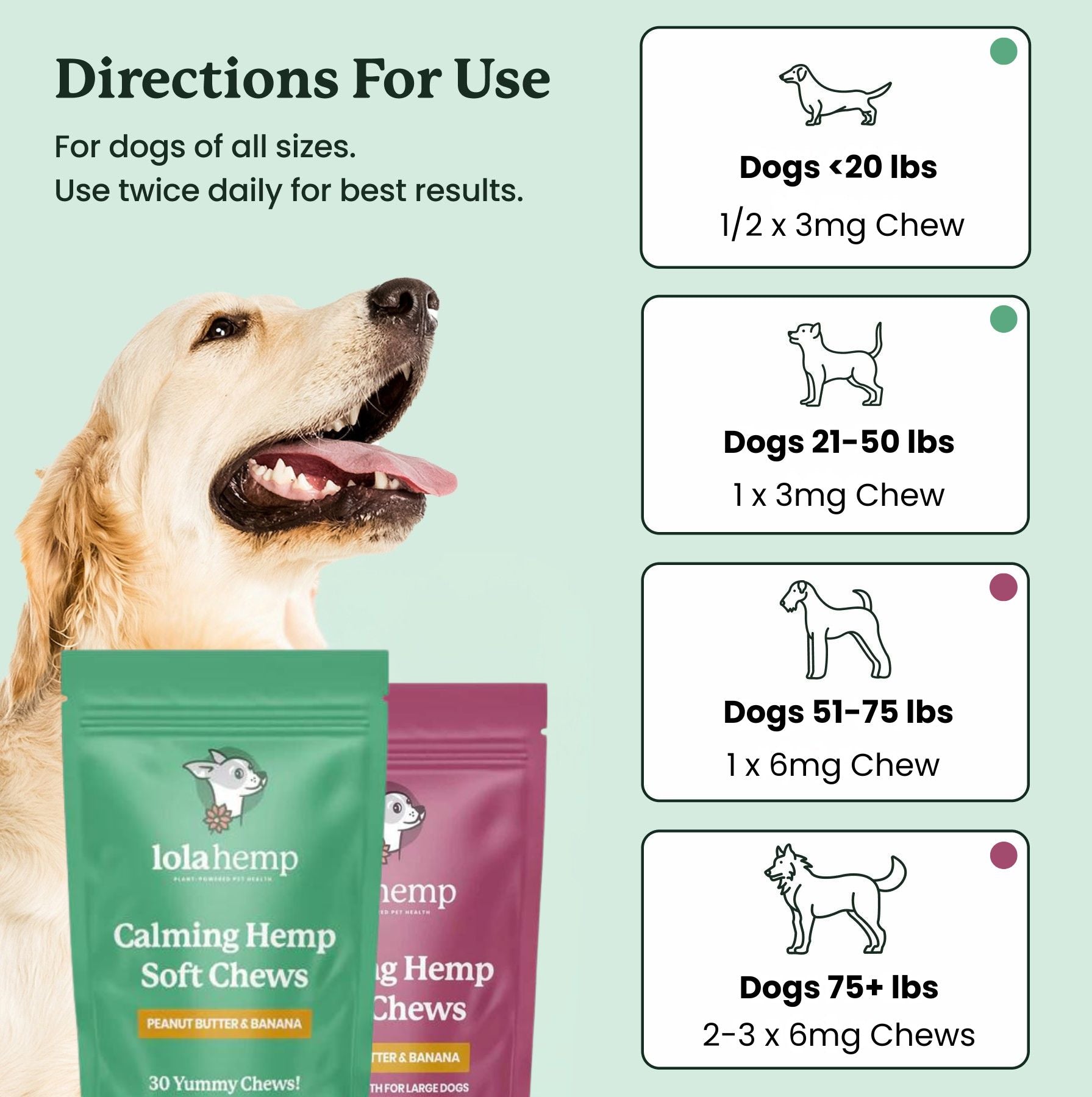
Some owners find that supporting their dog's ability to settle during the adjustment period makes the whole experience more manageable — for the dog and for themselves. Lolahemp's calming supplements are formulated to help maintain calmness and support a normal, relaxed disposition in dogs, which can make those first overwhelming weeks a little easier to navigate for everyone in the house.
A dog who is slightly more settled is easier to connect with. That's not nothing when you're running on empty.
Frequently Asked Questions
Is it normal to regret adopting a dog? Yes — far more common than people admit. The gap between expectation and reality in the first week of dog adoption is significant, and the feelings of regret, overwhelm, and doubt that come with it are a recognized experience among new owners. It does not mean you made a permanent mistake.
How long do post-adoption blues last? For most people, the worst of it passes within two to four weeks. The turning point is often subtle — a small moment of connection — rather than a dramatic shift. The key is getting through the first stretch without making permanent decisions from a temporary emotional state.
Is it okay to return a rescue dog if I'm struggling? Struggling is not a reason to return a dog — it's a reason to ask for help and give the adjustment period more time. A genuine incompatibility involving safety concerns or truly unmanageable needs is a different situation. Most cases of post-adoption regret resolve on their own with time.
What if I don't feel bonded to my rescue dog? Bonding takes time, especially with rescue dogs who are guarded or shut down themselves. You don't have to feel it immediately. Consistently showing up — feeding, walking, sitting nearby — builds the relationship even when it doesn't feel like it yet.
How do I know if my rescue dog is also struggling? Signs include not eating, hiding, inability to settle, excessive vocalization, and being unable to make eye contact. This is normal stress behavior for a dog in a new environment and usually improves as they settle. The rescue dog anxiety guide covers what the adjustment process looks like from your dog's side.


