Welcome to Research Roundup! I'm Dr. Nicole, a veterinarian and Ph.D.-level scientist studying animals and their genes. I'm passionate about making veterinary research accessible to everyone.
This series will provide short, sweet summaries of CBD and pet health research studies. I hope this information will help you navigate the increasingly complicated world of pet health.

Are you interested in pet wellness and holistic dog care? If so, you've probably encountered hundreds of headlines about CBD.
A headline about CBD might say, "New research shows that CBD benefits dogs with arthritis." But is the headline trustworthy or not?

Crucial details can be lost between a research article and media coverage online or in the news. Pet parents who want more information may encounter paywalls, scientific jargon, or other barriers.
Fortunately, you don't have to be a science expert to support your pet's health.

Today, we're summarizing a study called "Pharmacokinetics, Safety, and Clinical Efficacy of Cannabidiol Treatment in Osteoarthritic Dogs" (1). It was performed by veterinarians and scientists at Cornell University and Colorado State University. The results were published in the journal Frontiers in Veterinary Science in 2018.
Most research reports are divided into four sections:
- Introduction
- Methods
- Results
- Discussion
We'll break down these sections to learn about the CBD study's goals, design, major findings, and impact.

Good veterinary research studies have clear goals to address a medical problem. This research focused on finding out if CBD oil can help dogs that suffer from osteoarthritis.
Osteoarthritis is a painful chronic joint condition common in senior dogs. The study looked at 16 dogs to see if CBD oil could help them be more active.
Key questions addressed:
- How long does a dose of CBD last in dogs when taken by mouth? (Oral pharmacokinetics)
- What are the side effects of CBD in dogs, if any? (Safety)
- Can pet owners effectively use CBD or hemp oil for dogs with arthritis? (Clinical efficacy)

How did the researchers answer their questions? Scientists use previous research to select the right methods.
- Participants: Sixteen dogs treated for osteoarthritis at Cornell University’s veterinary hospital.
- CBD Dosage: Each dog received 2 mg/kg CBD oil twice daily during one phase and placebo during another. Each phase lasted four weeks with a two-week washout.
- Measurements: Pain, mobility, and activity were evaluated via owner surveys and veterinarian assessments. Bloodwork checked for safety and CBD metabolism.

- CBD Absorption: Peak blood concentration occurred at 1.5 hours post-dose. CBD lasted ~4 hours and was cleared by 8 hours.
- Safety: CBD was generally safe; mild liver enzyme elevations occurred in a few dogs.
- Efficacy: Dogs receiving CBD showed reduced pain and increased activity compared to placebo.

- Specific Product Used: The CBD was a custom full-spectrum formula; results may differ with other products.
- Need for More Studies: Findings are promising but require replication and long-term data.
- Funding: The study was funded by a CBD manufacturer. Publication in a reputable journal adds credibility.

CBD oil results are promising for dogs with arthritis, as this clinical trial shows. Still, more research is needed to confirm these findings and understand long-term effects. Consult your veterinarian to determine whether CBD is appropriate for your dog.
Related product



CBD Research for Dogs – Frequently Asked Questions
Is CBD proven to help dogs with arthritis?
This study showed improvements in pain and activity, but larger and longer-term studies are still needed.
How long does CBD last in dogs?
CBD peaked around 1.5 hours after dosing and was cleared from the body within about 8 hours.
Is CBD safe for dogs according to this study?
CBD was generally well-tolerated. A few dogs had mild liver enzyme increases.
What dosage was used in this research?
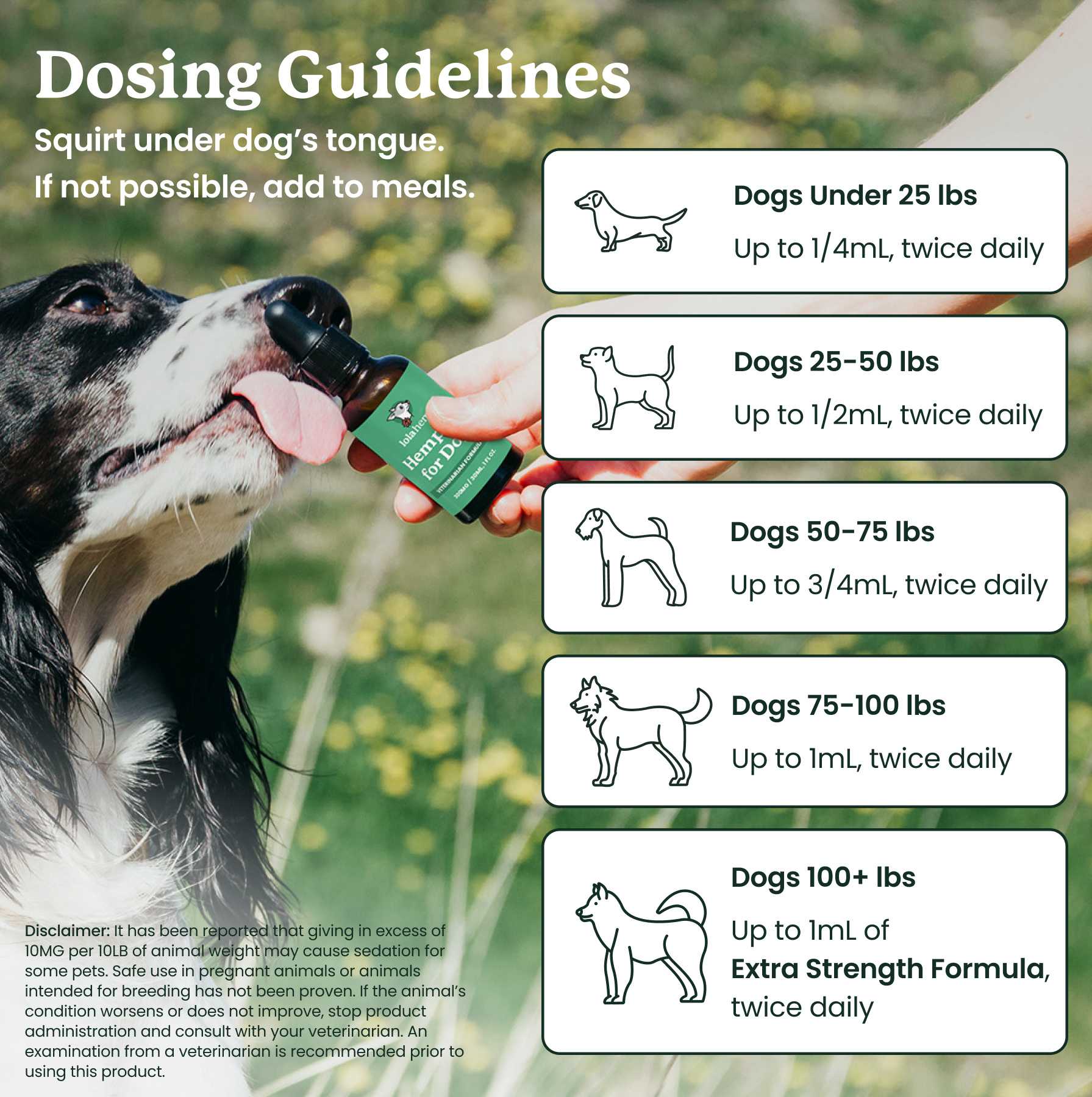
Dogs received 2 mg/kg of CBD oil twice daily during the treatment phase.
Can results differ depending on the CBD product?
Yes. The study used a specific full-spectrum formula, and results may vary across products.