

The behavioral protocol says to practice short absences and build up gradually. That's the right approach. But you also have a job, errands, a life — and a dog who loses it the moment you walk out the door. This post is about managing the real-world reality of leaving while you're doing the longer work of helping your dog get better.
These aren't shortcuts. They're harm-reduction strategies for the days you have to leave before your dog is ready.
Related product


Before You Leave: The Setup Matters
What you do in the 30 minutes before departure has an outsized effect on how your dog handles the absence. A few principles:
- Exercise first. A tired dog has less fuel for anxiety spirals. A solid walk or play session before you leave doesn't fix separation anxiety, but it lowers the starting arousal level.
- Don't do a long emotional goodbye. It signals that something significant is happening and amplifies the emotional weight of the departure. Calm and matter-of-fact is kinder than drawn out.
- Scatter your departure cues. If your dog begins to panic the moment you pick up your keys, practice picking up your keys and then sitting back down. Put your shoes on and watch TV. The goal is to break the predictive chain between those cues and your actual leaving.
- Give them something to do at the moment of departure. A frozen Kong, lick mat, or long-lasting chew given only when you leave creates a positive association with your exit and occupies the most vulnerable window — the first few minutes after you go.
The Departure Itself
How you leave is almost as important as what you leave behind.
- Give the chew or Kong, then leave without lingering.
- Don't sneak out — it creates unpredictability, which makes anxiety worse over time.
- Don't return immediately if your dog barks. Waiting for even a brief pause before re-entering teaches that calm, not barking, is what brings you back.
- If possible, vary the door you use and the time you leave. Rigid patterns around departure can intensify anticipatory anxiety.
While You're Gone: Set Your Dog Up to Succeed
- Confine thoughtfully. A dog with separation anxiety given free run of the house can do significant damage — to your home and to themselves. A single safe room or a pen is usually better than a crate for dogs who panic, since crates can escalate escape attempts into self-injury.
- Leave the TV or music on. Background noise reduces the startle response to outside sounds and makes the house feel less empty. Through a Dog's Ear is a well-known option; species-specific calming music has some research behind it.
- Set up a camera. You can't manage what you can't see. Knowing whether your dog settles after ten minutes or spirals for the entire absence gives you real information — and tells you whether your current setup is working.
- Consider a dog walker or midday check-in. Breaking up a long absence can significantly reduce total distress. For dogs with moderate to severe anxiety, a four-hour stretch is meaningfully more manageable than eight.
Coming Home
The return greeting is where a lot of owners accidentally make things worse. Effusive, excited reunions feel good — for both of you — but they reinforce the emotional significance of the separation.
Instead: come in calmly, ignore the frenzy briefly, wait for even a moment of relative calm, and then greet warmly but quietly. You're not being cold — you're teaching your dog that your return is predictable and no big deal, which is actually what reduces anxiety over time.
The Longer Game: Building Alone Time Systematically
Everything above is management. The actual solution to separation anxiety is a structured desensitization protocol — teaching your dog, in very small increments, that being alone is safe. If you haven't read through what's actually driving the anxiety and how the treatment works, that's the foundation this builds on.
The core of it:
- Start with absences so short your dog doesn't reach their anxiety threshold — sometimes seconds.
- Return before they spiral. Always.
- Build duration so slowly it feels almost absurd. That's the right pace.
- If you have a bad day — a long necessary absence — reset and go back to shorter durations. Setbacks are normal.
This process takes weeks to months for most dogs with true separation anxiety. It's worth it. But it requires patience and, for moderate to severe cases, often professional guidance.
Supporting the Process With Supplements
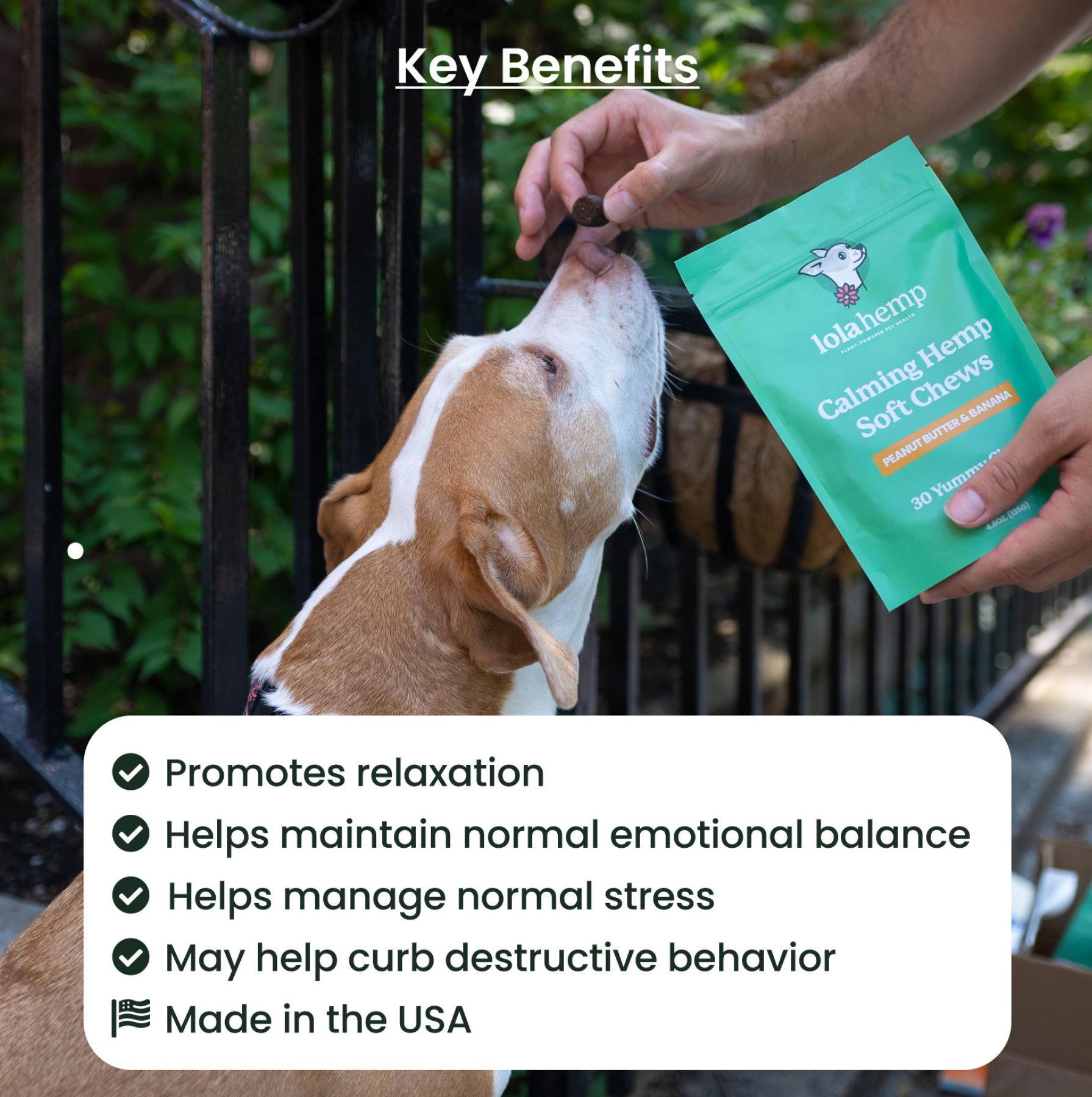
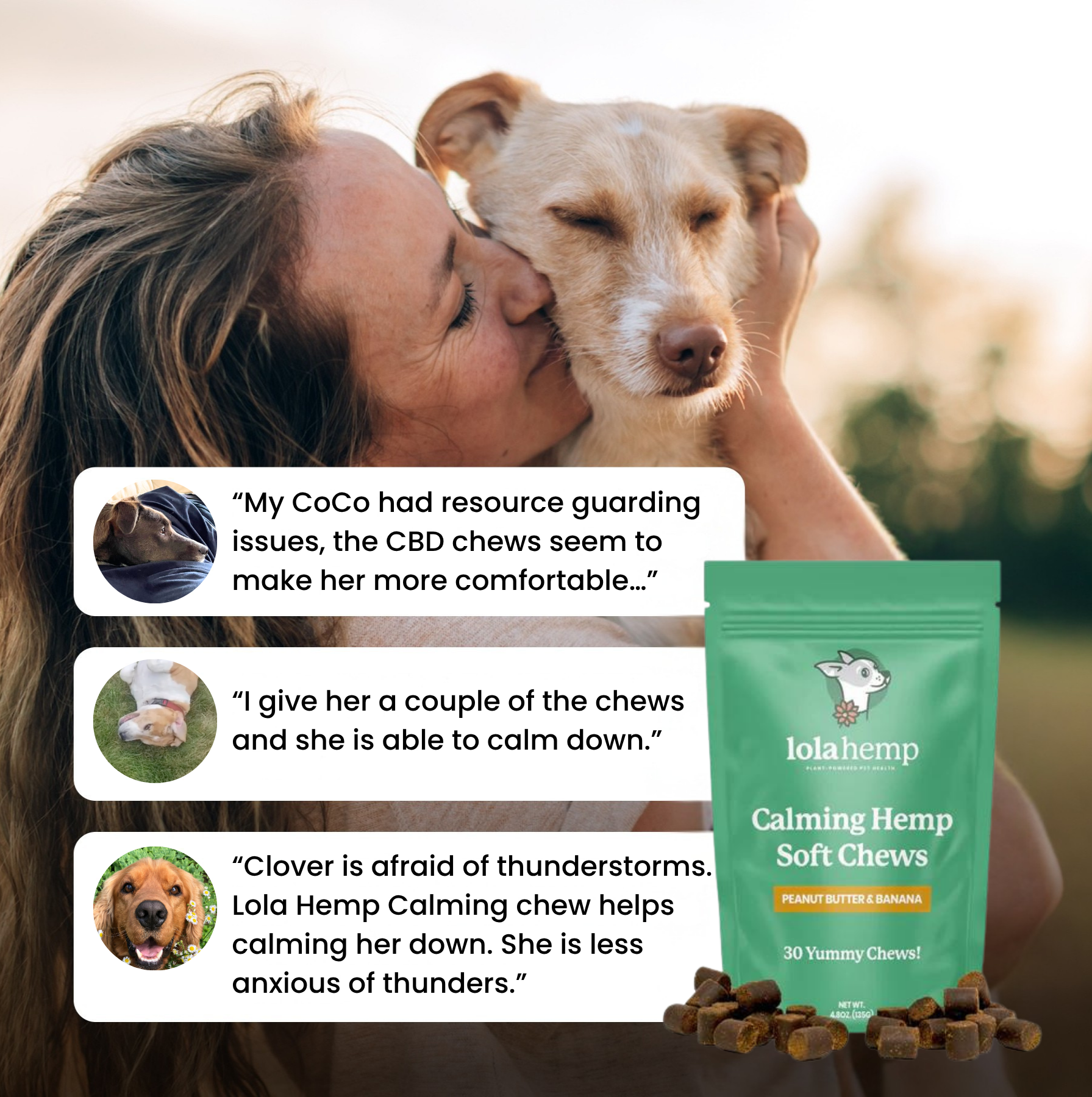
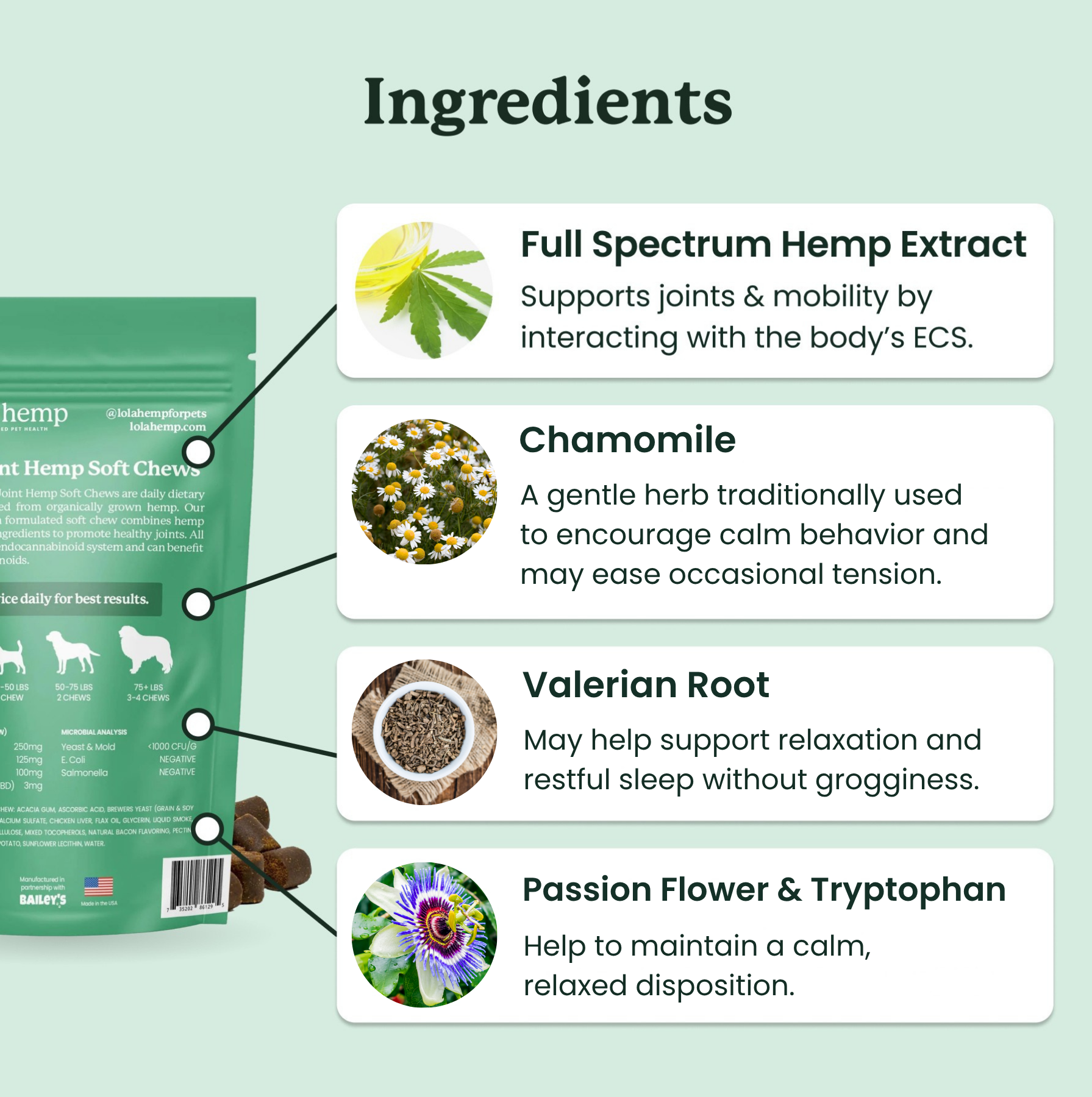
For dogs whose anxiety is high enough that no amount of preparation seems to help them settle, some owners incorporate a calming supplement as part of their management approach. Lolahemp's calming supplements are formulated to help maintain calmness and support a normal, relaxed disposition in dogs — which can help bring the baseline arousal level down enough for other strategies to get traction.
Check in with your vet before starting, especially if your dog is already on any medication for anxiety.
Frequently Asked Questions
Is it cruel to leave a dog with separation anxiety alone? It's not cruel — it's unavoidable for most people. What matters is minimizing the duration where possible, setting the environment up to reduce distress, and actively working on the underlying anxiety in parallel. Management and treatment at the same time is the realistic approach.
How long can I leave a dog with separation anxiety? There's no universal answer — it depends on severity. A dog with mild anxiety might manage a few hours with good setup; a dog with severe anxiety may not be able to handle 20 minutes. Your camera data tells you more than any guideline can.
Will doggy daycare help with separation anxiety? Sometimes. Dogs whose anxiety is specifically about being alone — rather than about being away from one particular person — can do well in daycare. Dogs with person-specific attachment often show the same anxiety there. It's worth trying as a management tool, but it doesn't address the underlying issue.
Should I leave my dog in a crate or free in a room? For dogs with true separation anxiety, crates often escalate panic and can lead to self-injury. A small safe room or pen is usually a better option. That said, some dogs are actually calmer in a covered crate — your camera will tell you which camp your dog falls into.
My dog is fine at doggy daycare but panics at home alone — what does that mean? It likely means the anxiety is person-specific rather than a general fear of being alone. This is common in rescue dogs who've formed an intense attachment to one person. The full picture of rescue dog anxiety can help you understand what type you're dealing with and what that means for treatment.


