Washing the dog is one of those things many of us aren’t totally sure about. Does it depend on breed, size, and coat? Does it just depend on how active and dirty your dog gets as the week goes on? Is it one of those things you just do when “it’s about that time?”
There are a number of important things to consider, and the fact is that some dogs require a lot more cleaning effort than others. This can be a challenge, especially if your dog has anxiety surrounding the bathing process. So, without further adieu, let’s find a healthy schedule you can follow when it comes to washing your dog plus examine some great pet shampoos to explore.
Related product
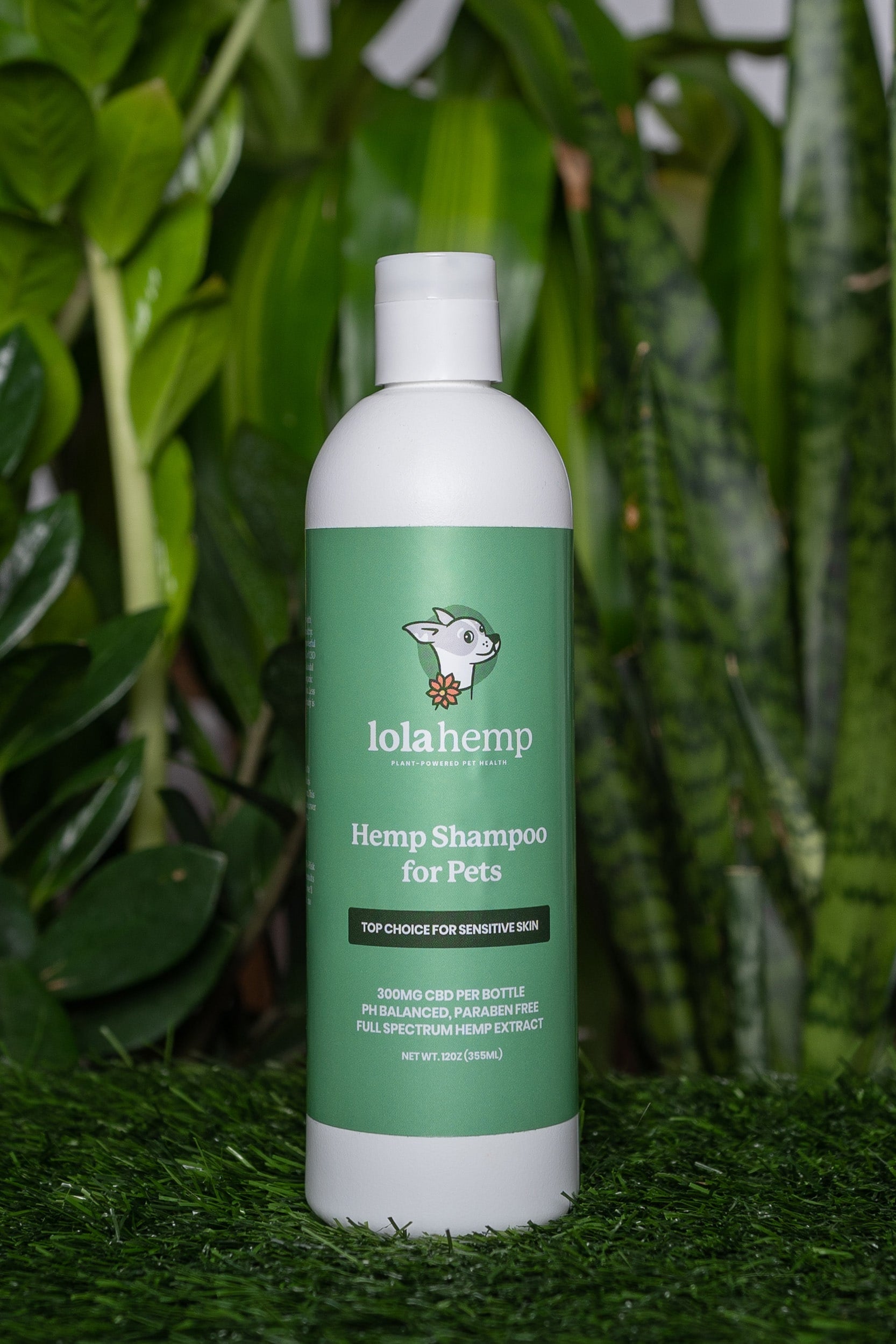
How Often Should You Wash Your Dog?
The reality is that there are no clear rules on how often to wash a dog; frequency of bathing depends on breed, fur, and even the types of activities you and your dog do together.
If your dog spends most of his or her time indoors and has short hair, veterinarians say you should bathe them at least every 60 to 90 days.
That’s the bare minimum, though. Excessive washing can be damaging for dogs, especially long-haired breeds. Washing too often can strip dog coats of natural oils that insulate, moisturize, and protect the skin.
Washing every few days, for example, would likely strip your dog’s fur of the oils it needs. Most dogs fall somewhere in between.
To get more specific, we’ve got to look at the key factors below.
1. Indoor Dogs Don't Need to Bathe as Often
If your dog is healthy and spends most of their time indoors, you’re in luck. Indoor dogs don’t get as dirty because their time outside is usually monitored.
Indoor dogs should be bathed every 1–2 months.
The following factors increase bathing frequency:
- Extended walks, especially in heat
- Excess shedding
- Strong body odor
- Winter walks (salt, dirt, snow)
Some dogs are naturally smellier or shed more, requiring more frequent washing. Your dog’s environment and activity level play a big role. In summer, washing every couple of weeks may be necessary. Wash soon after lake visits, muddy hiking, or dirty excursions.
2. Outdoor Dogs Should Bathe Every Couple Weeks
Dogs that spend most of their time outdoors usually need more frequent baths. As a rule of thumb, bathe outdoor dogs every 2–4 weeks.
Winter and spring are dirtier seasons, meaning more frequent bathing.
Paw care is especially important during these months due to mud, debris, and salt.
If you’re curious about paw care, read our guide on how to care for a dog’s injured paws.
Important: Just because a dog looks clean doesn’t mean they are. Water, snow, or debris can mask dirt and bacteria trapped in paws, ears, legs, and hip folds.
What Kind of Shampoo Do You Need?
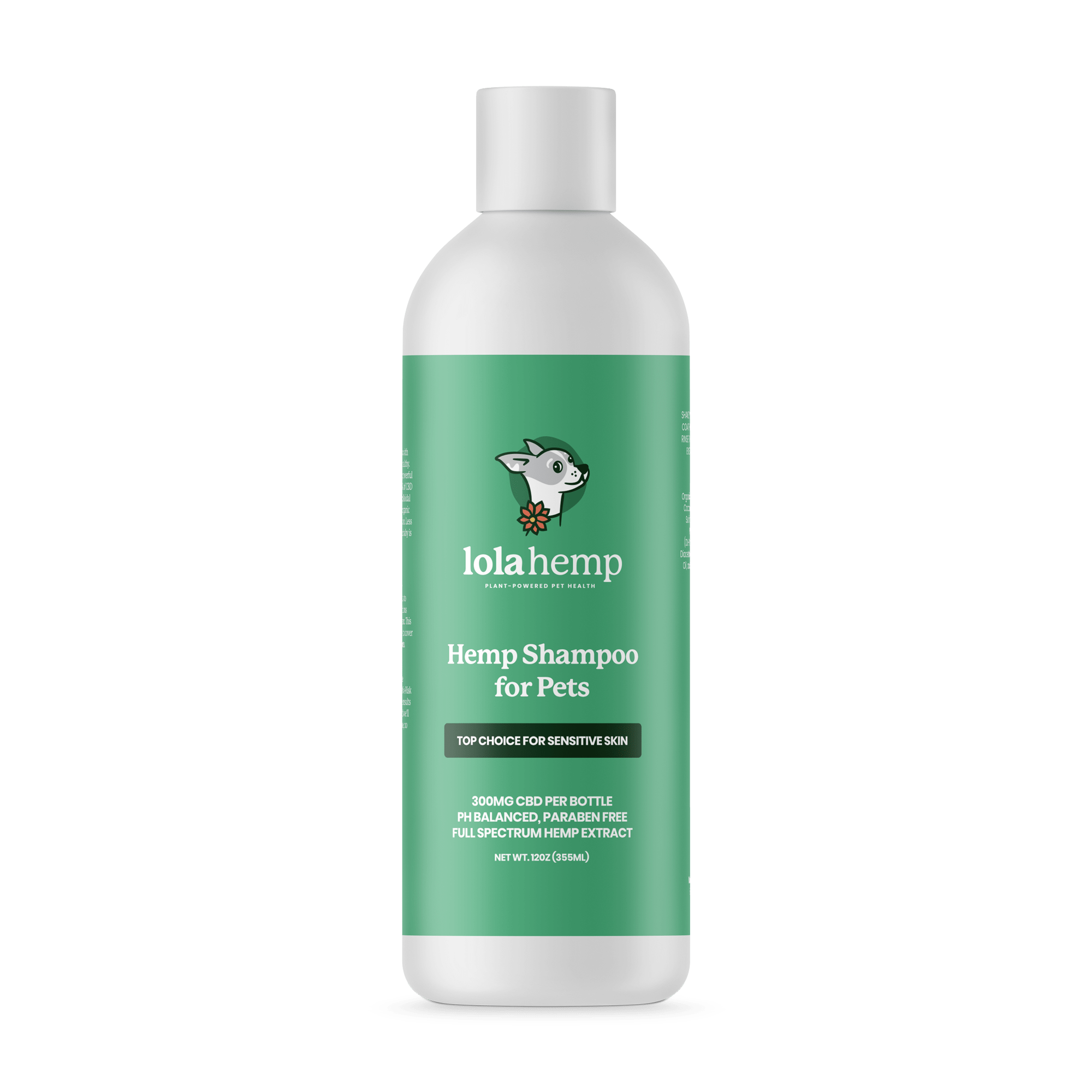
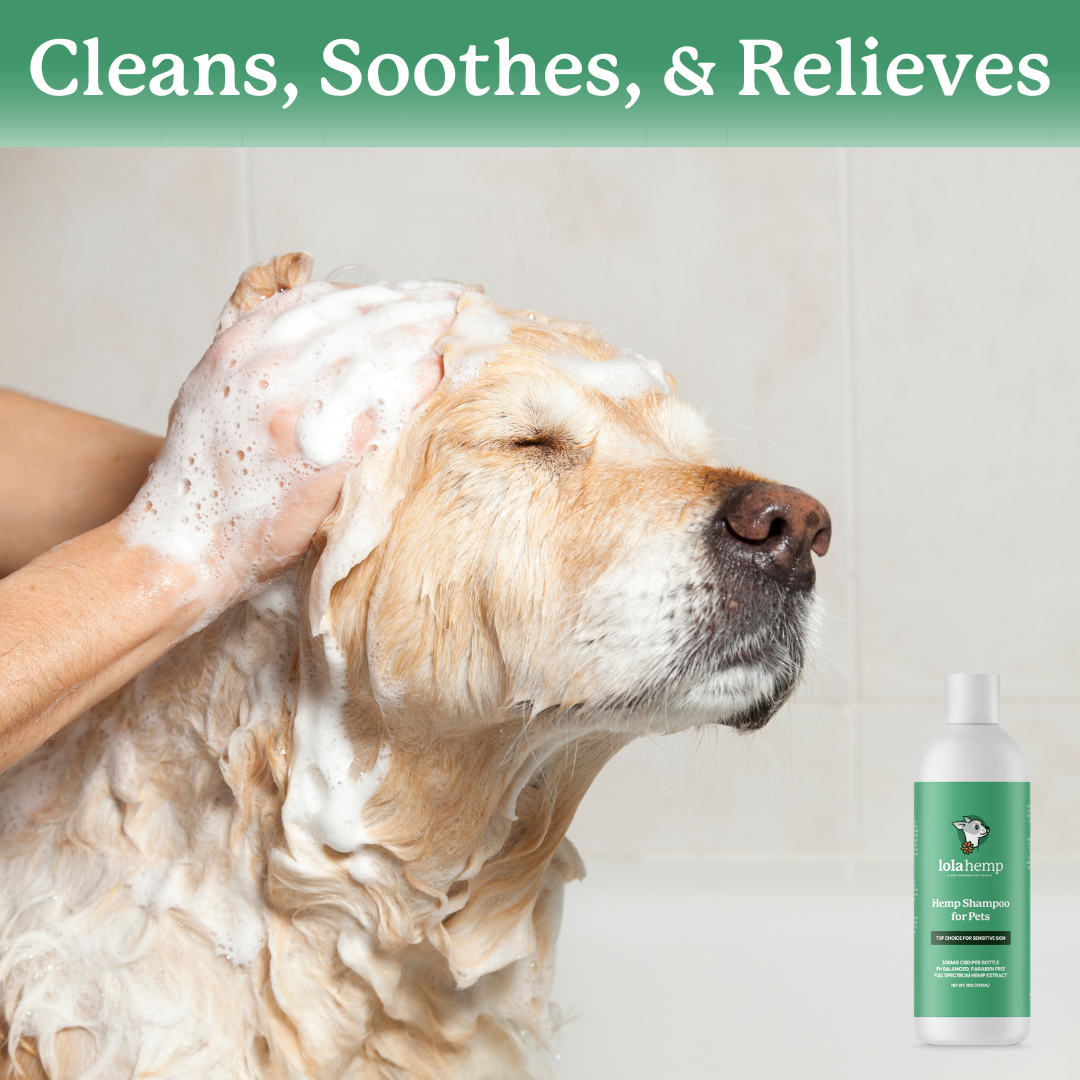
If your dog is dealing with skin issues (dryness, sores, itching, dandruff), look for a moisturizing or soothing shampoo. If your dog struggles with hot spots or itching, a moisturizing CBD shampoo may help.
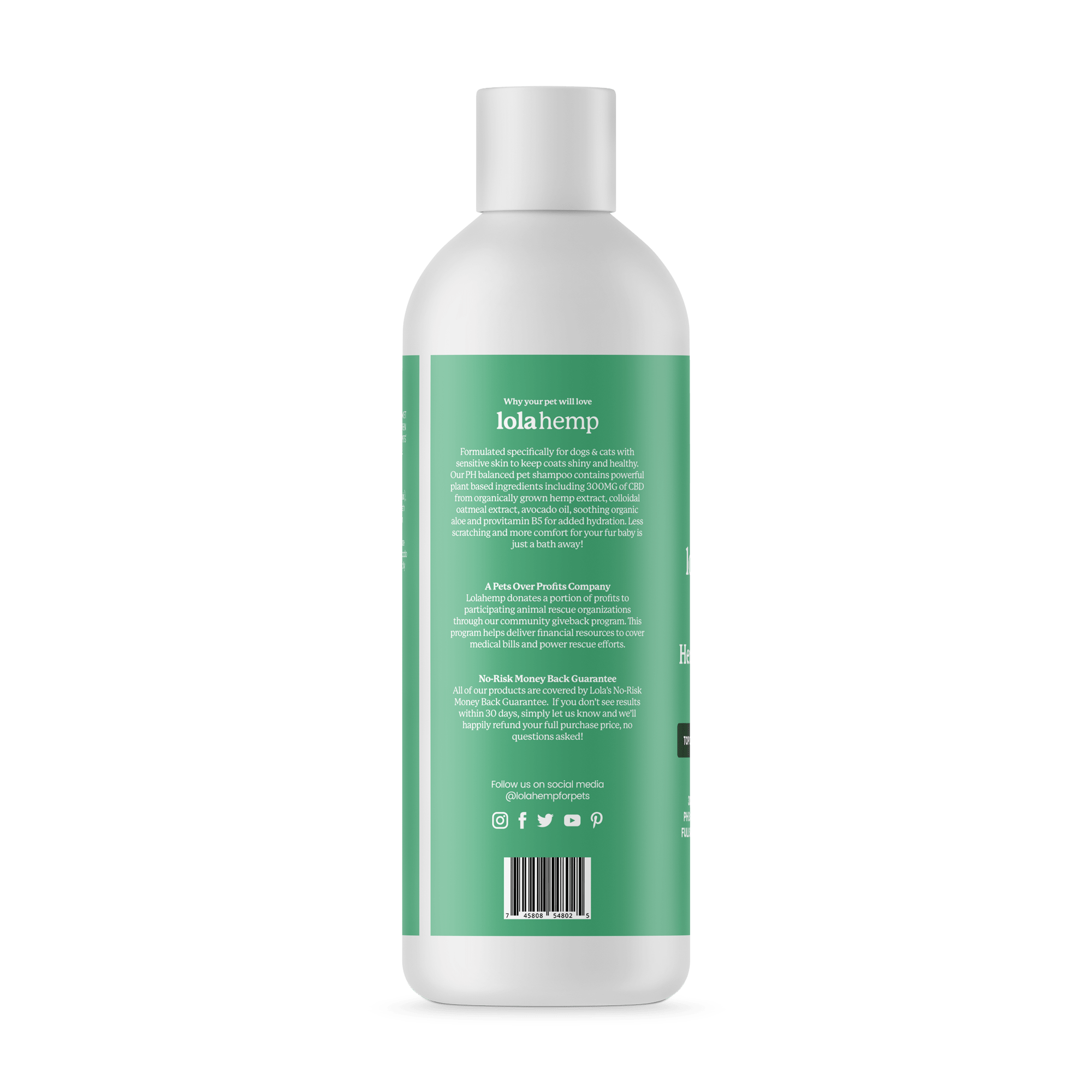
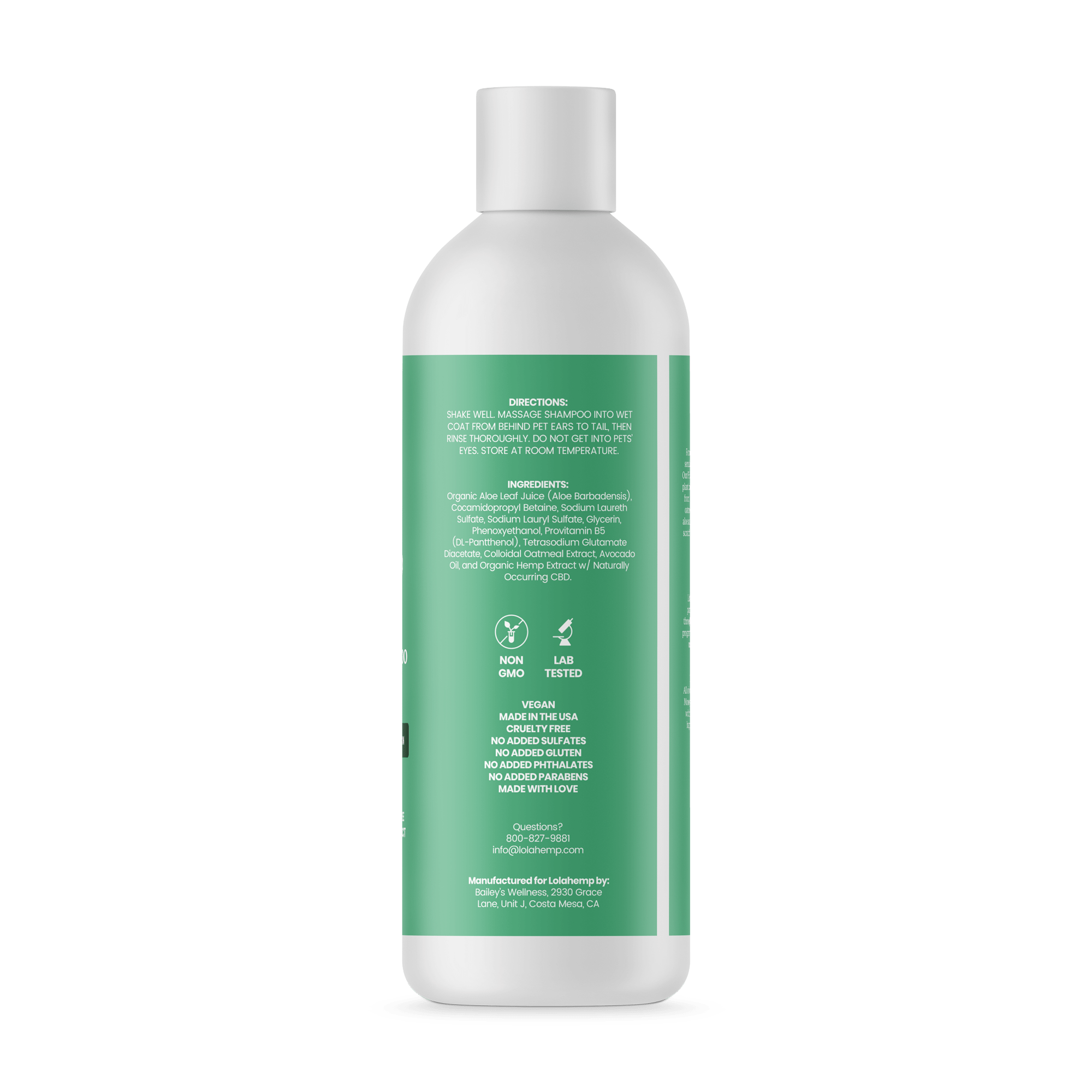
Look for ingredients such as aloe, provitamin B5, avocado oil, and oatmeal extract.
A dog shampoo should have a proper canine pH balance. Humans have a pH of about 5.5, while dogs fall between 6.2 and 7.4. Human products are more acidic and can disrupt a dog’s skin barrier.
Can You Use Human Shampoo on Dogs?
No. Human shampoos, especially scented varieties, can irritate and worsen canine skin conditions.

Still Not Sure? Here’s Your Answer:
Still wondering “how often should I bathe my dog?” Here’s your simple answer:
Ask your veterinarian.
Many dogs do perfectly well with one bath every month or two. Some breeds require more customized schedules. When in doubt, a veterinarian can give you clear, personalized guidance.
Frequently Asked Questions About How Often You Should Wash Your Dog
How often should I wash my dog with sensitive skin?
Most dogs with sensitive skin should be bathed every 4–8 weeks using a gentle, moisturizing shampoo unless your vet recommends otherwise.
How often should you wash your dog if they smell?
If your dog smells between baths, you may need to wash them every 2–4 weeks or address underlying issues like skin infections, diet, or allergies.
How often should you wash your dog after going to the beach?
Rinse your dog after every beach trip and give a full bath if they swam in salty or dirty water.
How often should I wash my dog if they shed a lot?
Heavy shedders may benefit from weekly brushing and a bath every 3–4 weeks to control loose fur and odor.
Should I wash my dog more in the summer?
Yes. Dogs tend to get dirtier and sweat more in hot weather, so bathing every 2–4 weeks is common during summer months.